Pasta With Tomato Sauce VS Protein Pasta
A detailed nutritional comparison
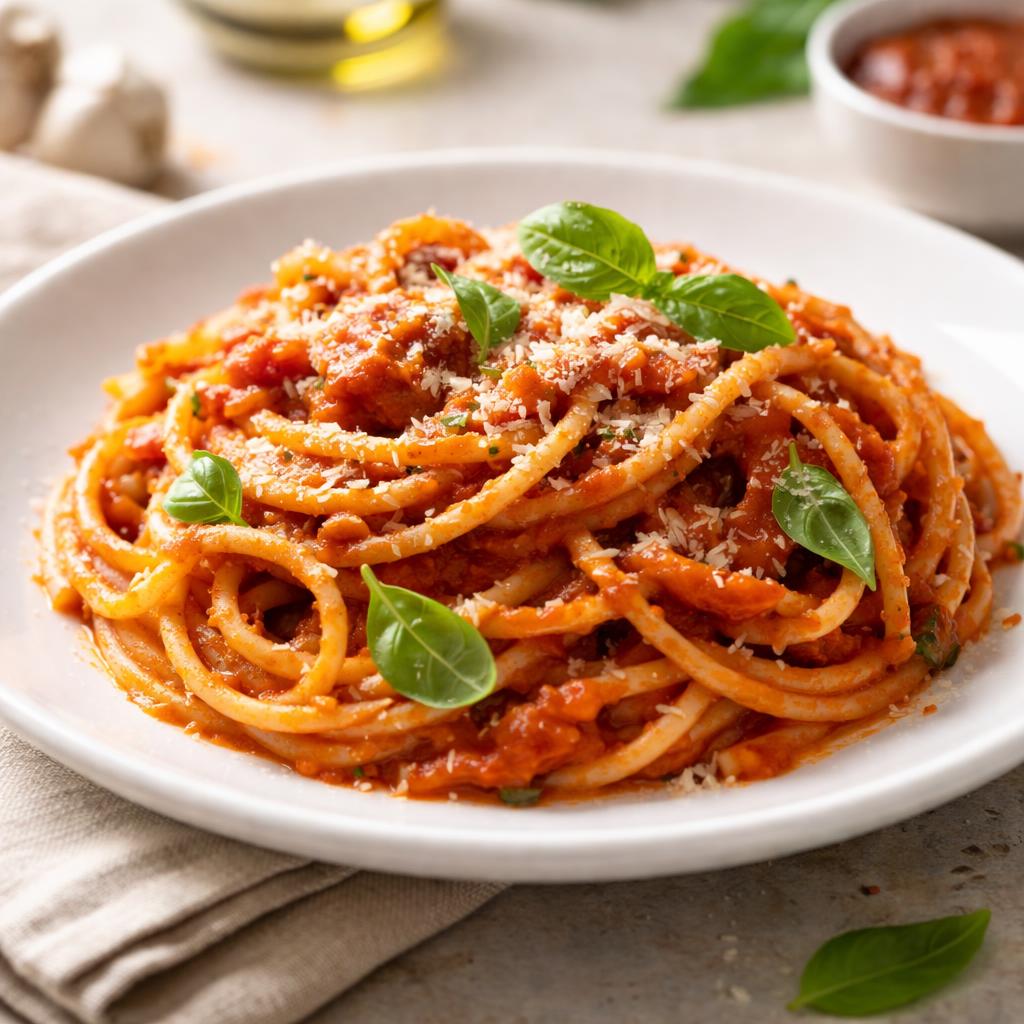
Pasta With Tomato Sauce
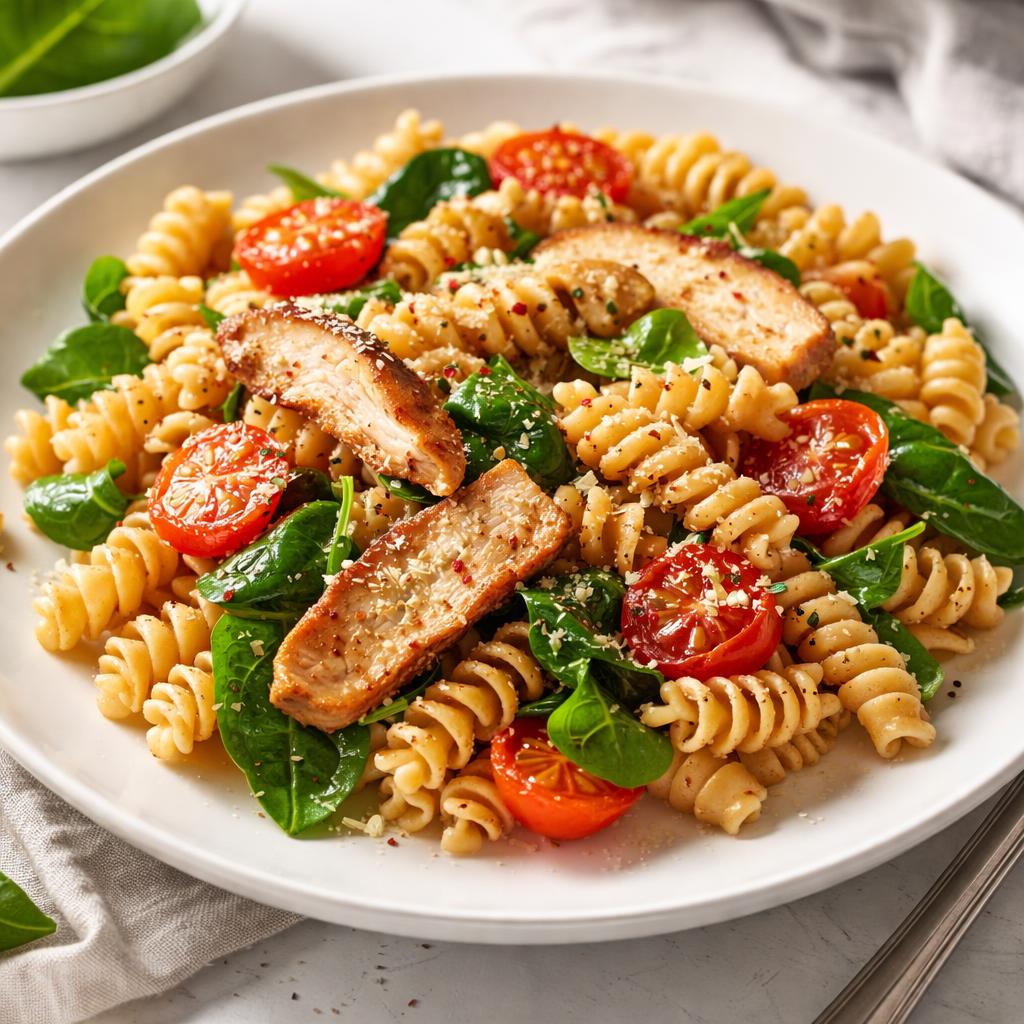
Protein Pasta
🎯 Quick Verdict
Protein pasta offers higher protein content (20g vs 8g per serving), more fiber (6g vs 2g), and fewer calories (150 vs 250 per serving) compared to regular pasta with tomato sauce. While traditional pasta with tomato sauce may work well for a comforting meal or energy boost, protein pasta is better suited for those seeking higher protein and lower-calorie options for fitness or weight loss goals.

Smart Nutrition Tracking with SnapCalorie

📊 Nutritional Comparison
Macronutrients
| Nutrient | Food 1 | Food 2 | Winner |
|---|---|---|---|
| Calories | 250 | 150 | ✓ |
| Protein | 8g | 20g | ✓ |
| Carbs | 45g | 30g | ✓ |
| Fat | 6g | 4g | ✓ |
| Fiber | 2g | 6g | ✓ |
Vitamins & Minerals
| Nutrient | Food 1 | Food 2 | Winner |
|---|---|---|---|
| Vitamin C | 12mg | 0mg | ✓ |
| Iron | 1.5mg | 3mg | ✓ |
| Calcium | 30mg | 50mg | ✓ |
🏆 Category Winners
Protein
Protein pasta delivers 2.5x more protein per serving (20g vs 8g).
Fiber
Protein pasta has 3 times the fiber compared to traditional pasta (6g vs 2g).
Calories
Protein pasta is lower in calories, containing 40% fewer calories per serving.
Vitamins
Food1 provides vitamin C from the tomato sauce, which is lacking in food2.
🥗 Diet Compatibility
Keto
Food 1: Not Compatible
Food 2: Compatible
Protein pasta is lower in carbs (30g per serving), making it keto-friendly.
Vegan
Food 1: Depends on sauce used
Food 2: Compatible
Protein pasta is typically vegan if made from legumes or plant-based ingredients, but the tomato sauce in food1 may contain dairy.
Gluten Free
Food 1: Not Compatible
Food 2: Depends on recipe
Protein pasta can be gluten-free if made from legumes or alternative flours, but traditional pasta is not.
Paleo
Food 1: Not Compatible
Food 2: Depends on recipe
Protein pasta made from plant-based, unprocessed ingredients may fit paleo guidelines, whereas traditional pasta does not.
Low Carb
Food 1: Not Compatible
Food 2: Compatible
Protein pasta is lower in net carbs (24g vs 43g in food1).
💪 Health Benefits Comparison
Food 1 Benefits
- Rich in vitamin C from tomato sauce for immune health
- Provides quick energy due to its higher carbohydrate content
- Comforting and versatile as part of a balanced meal
Food 2 Benefits
- High in protein to support muscle growth and repair
- Excellent source of fiber for digestive health
- Lower in calories, making it a good choice for weight management
- Supports heart health with higher mineral content like iron and calcium
✅ The Bottom Line
Choose protein pasta for higher protein intake, fewer calories, and more fiber, making it ideal for fitness goals, weight loss, and digestive health. Traditional pasta with tomato sauce is best for a comforting, carb-rich meal and provides vitamin C for immunity.
Choose Food 1 for: Comfort meals, quick energy boost, traditional dishes
Choose Food 2 for: High-protein diets, weight management, fitness-focused meals


