Pasta With Tomato Sauce VS Pasta With Sauce
A detailed nutritional comparison
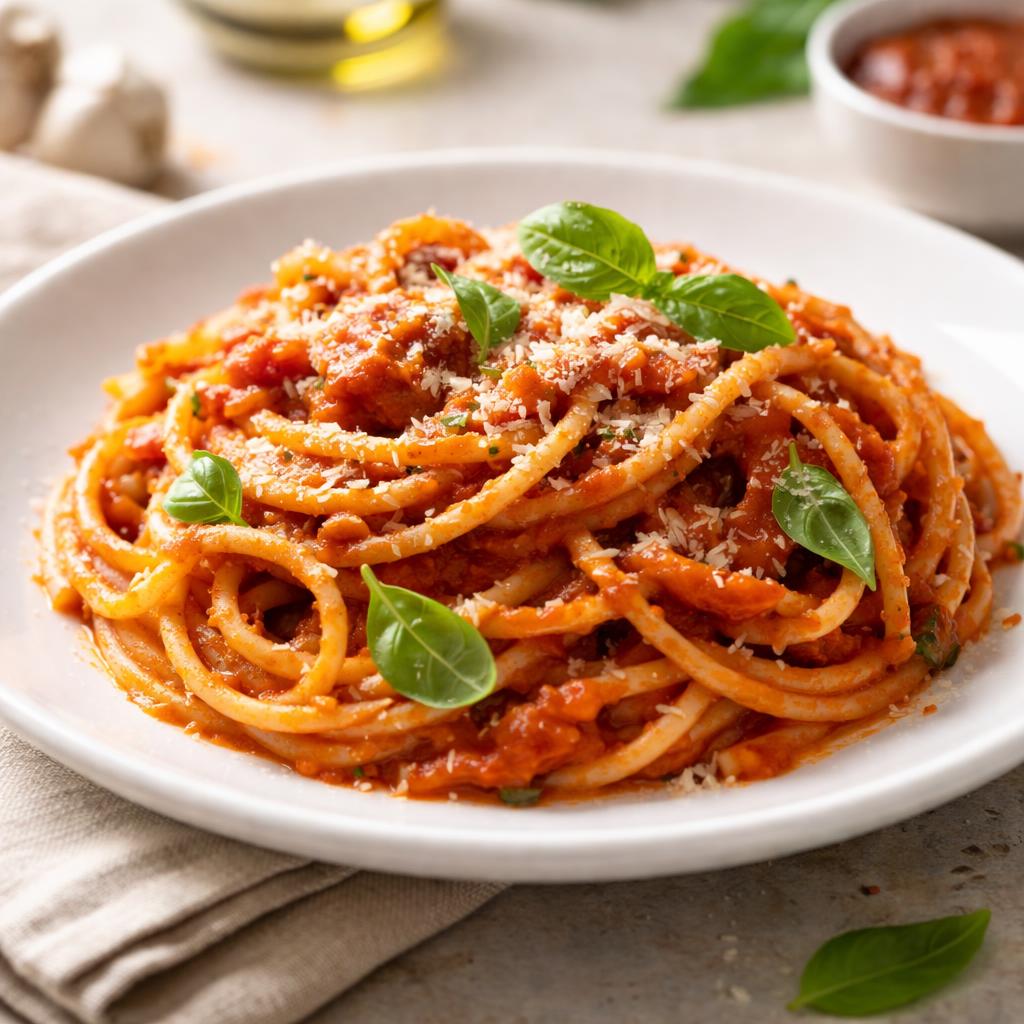
Pasta With Tomato Sauce
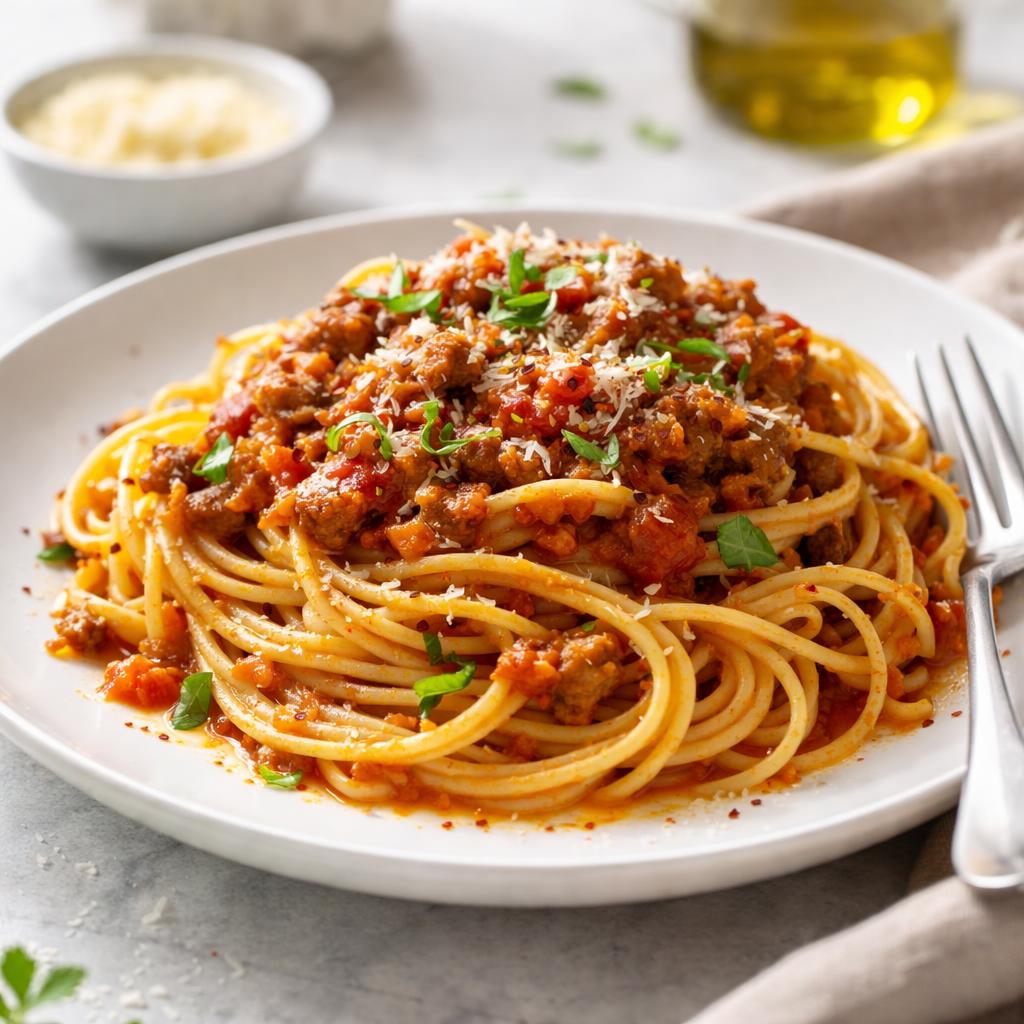
Pasta With Sauce
🎯 Quick Verdict
Pasta with tomato sauce (food1) and plain pasta with sauce (food2) have similar nutritional profiles, but food1 offers slightly higher fiber and vitamins due to the tomato content, while calories and protein are almost identical. Choose food1 for added nutrients and digestion support, and opt for food2 if you prefer simplicity or customization with toppings.

Smart Nutrition Tracking with SnapCalorie

📊 Nutritional Comparison
Macronutrients
| Nutrient | Food 1 | Food 2 | Winner |
|---|---|---|---|
| Calories | 220 | 220 | − |
| Protein | 8g | 8g | − |
| Carbs | 40g | 40g | − |
| Fat | 3g | 3g | − |
| Fiber | 4g | 2g | ✓ |
Vitamins & Minerals
| Nutrient | Food 1 | Food 2 | Winner |
|---|---|---|---|
| Vitamin C | 6mg | 0mg | ✓ |
| Vitamin A | 500IU | 20IU | ✓ |
| Iron | 2mg | 1.5mg | ✓ |
🏆 Category Winners
Protein
Both foods provide equal amounts of protein per serving.
Fiber
Food1 contains twice the fiber due to the addition of tomato sauce.
Calories
Both foods have identical calorie counts.
Vitamins
Due to the tomato component, food1 has more vitamin C and A.
🥗 Diet Compatibility
Keto
Food 1: Not Compatible
Food 2: Not Compatible
Both foods are high in carbohydrates.
Vegan
Food 1: Compatible
Food 2: Compatible
Both are plant-based.
Gluten Free
Food 1: Not Compatible
Food 2: Not Compatible
Made from wheat-based pasta.
Paleo
Food 1: Not Compatible
Food 2: Not Compatible
Both contain grains, which are not paleo-friendly.
Low Carb
Food 1: Not Compatible
Food 2: Not Compatible
Carbohydrate content is too high for low-carb diets.
💪 Health Benefits Comparison
Food 1 Benefits
- Good source of fiber for digestive health
- Rich in antioxidants from tomatoes
- Provides essential vitamins like vitamin C and A
Food 2 Benefits
- Offers consistent energy from complex carbohydrates
- Moderate protein content for muscle maintenance
- Allows flexibility for personalized toppings and nutritional customization
✅ The Bottom Line
Both foods are nutritionally similar, but food1 provides more fiber and vitamins, making it slightly better for digestion and overall nutrition. Food2 is a versatile base allowing for customization with sauces and toppings.
Choose Food 1 for: Balanced nutrition, fiber intake, immune support
Choose Food 2 for: Customizable options, simplicity, carb refueling


