Pasta VS Rotini Pasta
A detailed nutritional comparison
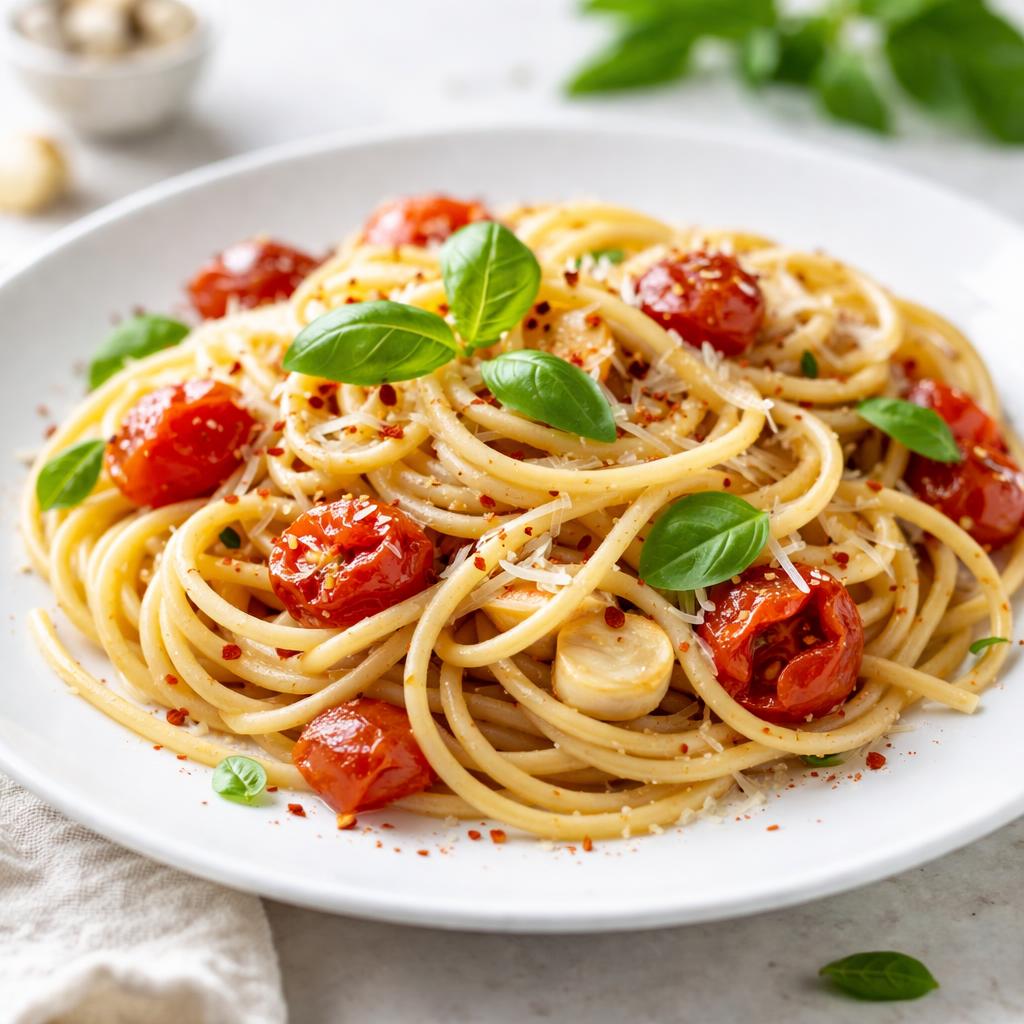
Pasta
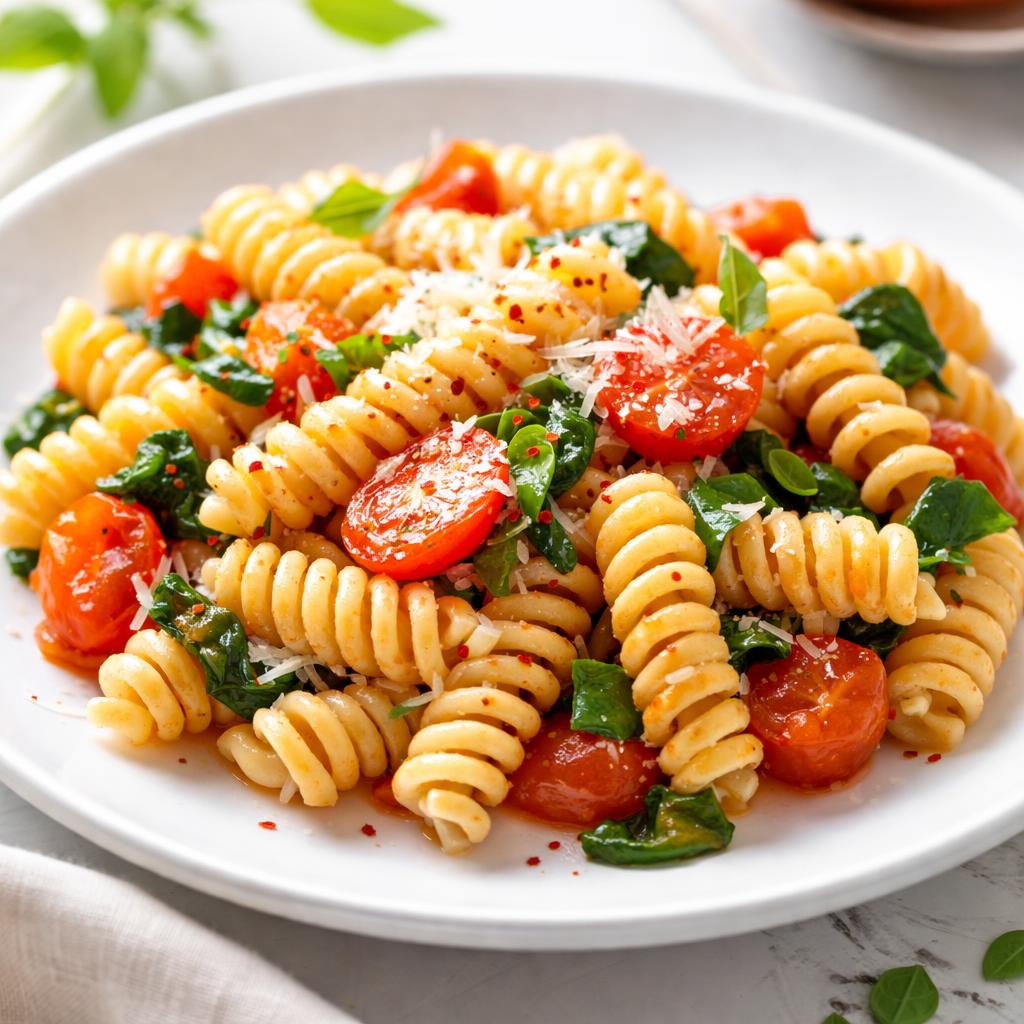
Rotini Pasta
🎯 Quick Verdict
Pasta and rotini pasta are nearly identical nutritionally. Both contain a good balance of carbohydrates and protein, making them versatile choices for energy and satiety. Their differences are more about shape, making rotini better for holding sauces and pasta better for classic dishes. Nutritionally, the choice largely comes down to preference rather than significant differences.

Smart Nutrition Tracking with SnapCalorie

📊 Nutritional Comparison
Macronutrients
| Nutrient | Food 1 | Food 2 | Winner |
|---|---|---|---|
| Calories | 200 | 200 | − |
| Protein | 7g | 7g | − |
| Carbs | 42g | 42g | − |
| Fat | 1g | 1g | − |
| Fiber | 2g | 2g | − |
Vitamins & Minerals
| Nutrient | Food 1 | Food 2 | Winner |
|---|---|---|---|
| Vitamin D | 0mcg | 0mcg | − |
| Calcium | 10mg | 10mg | − |
| Iron | 1.5mg | 1.5mg | − |
🏆 Category Winners
Protein
Both foods contain 7g of protein per serving.
Fiber
Both foods provide 2g of fiber per serving.
Calories
Both foods have identical caloric values (200).
🥗 Diet Compatibility
Keto
Food 1: Not Compatible
Food 2: Not Compatible
Both are high in carbohydrates and not suitable for a ketogenic diet.
Vegan
Food 1: Compatible
Food 2: Compatible
Both are entirely plant-based and suitable for vegan diets.
Gluten Free
Food 1: Not Compatible
Food 2: Not Compatible
Both contain gluten unless specifically marketed as gluten-free pasta.
Paleo
Food 1: Not Compatible
Food 2: Not Compatible
Grains like pasta are not allowed on paleo diets.
Low Carb
Food 1: Not Compatible
Food 2: Not Compatible
Both have high carbohydrate content (42g per serving).
💪 Health Benefits Comparison
Food 1 Benefits
- Provides sustained energy from complex carbohydrates
- Low in fat, making it heart-healthy when paired with other nutrient-dense foods
- Source of iron to support oxygen transport in the body
Food 2 Benefits
- Helps hold sauces well, enhancing overall nutrient delivery in meals
- Offers the same sustained energy as regular pasta
- Source of iron similar to food1, beneficial for overall health
✅ The Bottom Line
Choose pasta or rotini pasta based on the dish being prepared, as their nutritional profiles are virtually identical. Rotini works well with chunkier sauces, while classic pasta suits lighter sauces and traditional dishes.
Choose Food 1 for: Classic pasta recipes, simpler meals, versatile dishes
Choose Food 2 for: Chunkier sauces, creamy dishes, visually appealing presentations


