Pasta VS Rice Pudding
A detailed nutritional comparison
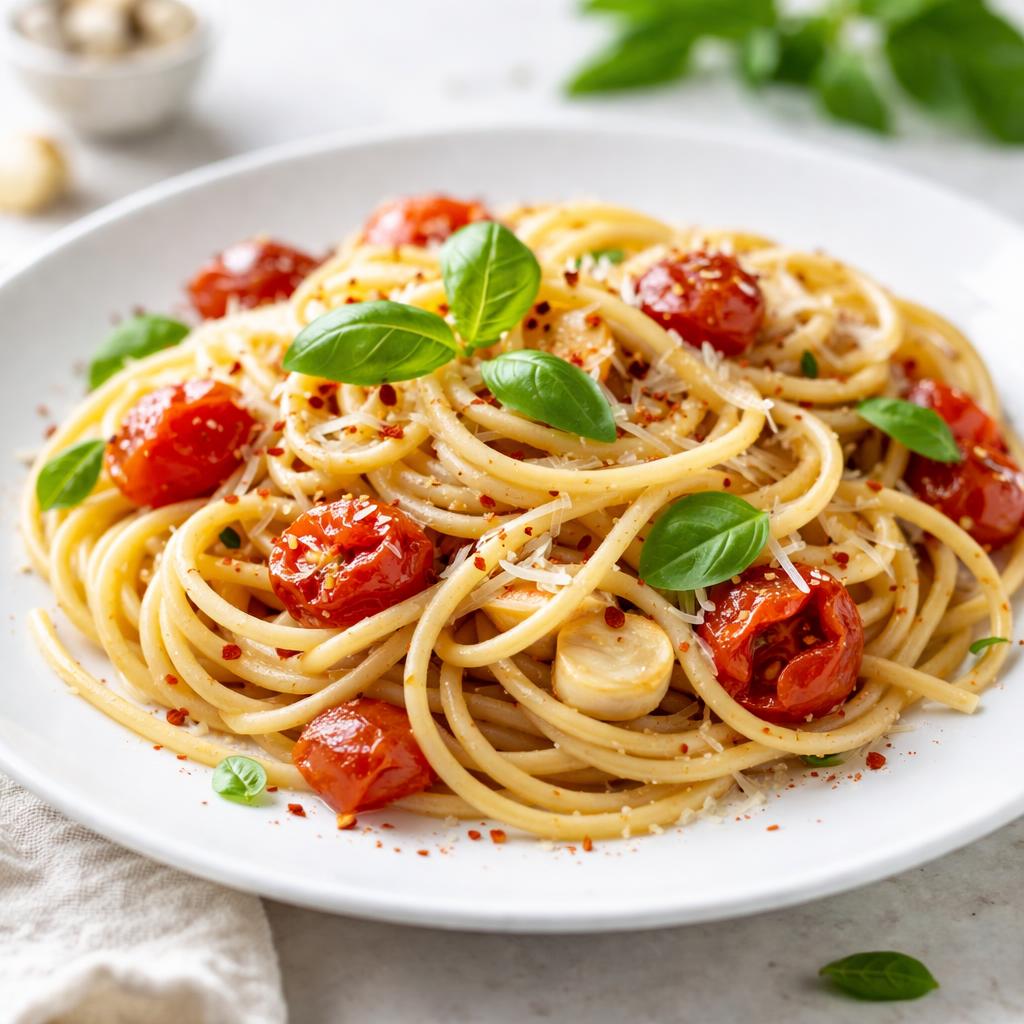
Pasta
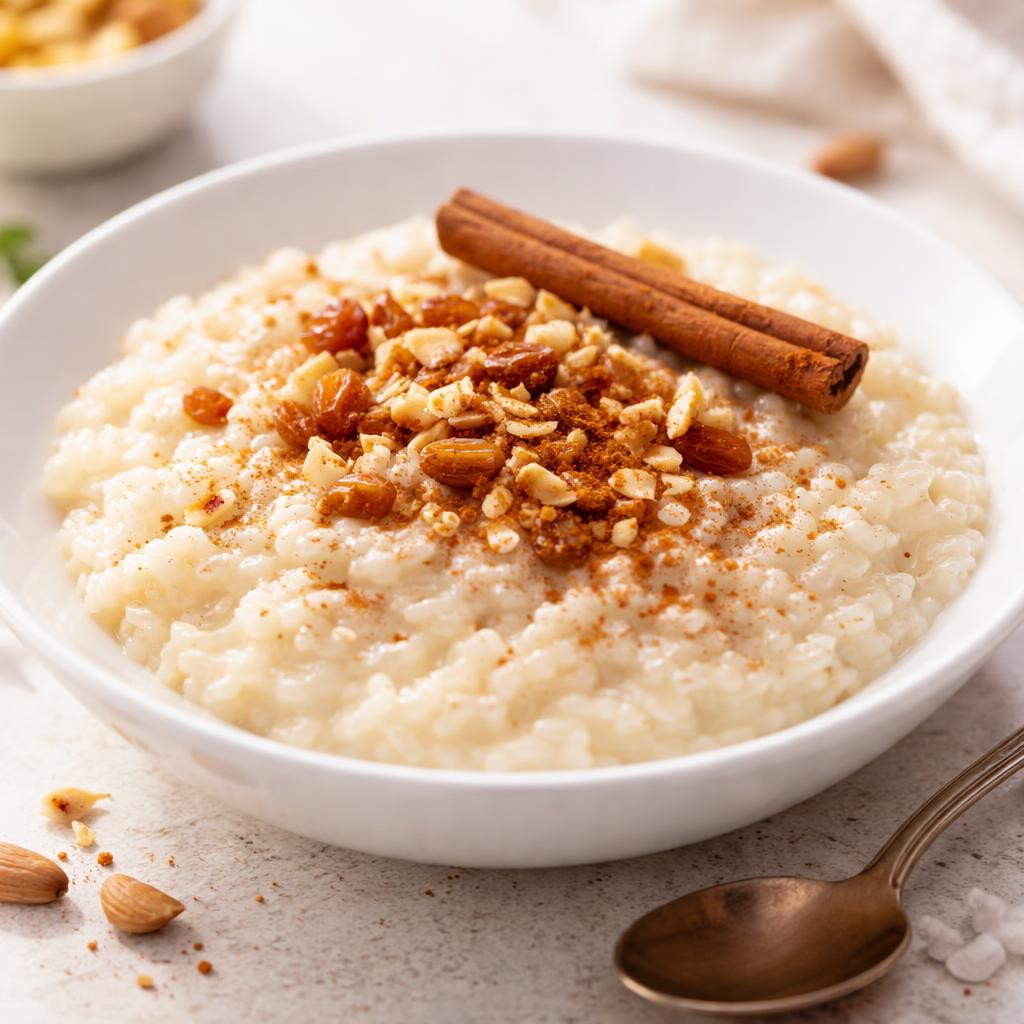
Rice Pudding
🎯 Quick Verdict
Pasta (food1) is higher in protein and fiber compared to rice pudding (food2), making it a better choice for active individuals or those seeking a more balanced meal. Rice pudding is lower in calories and higher in carbs, making it an ideal option for a quick energy boost or dessert. Both foods have unique benefits depending on dietary goals.

Smart Nutrition Tracking with SnapCalorie

📊 Nutritional Comparison
Macronutrients
| Nutrient | Food 1 | Food 2 | Winner |
|---|---|---|---|
| Calories | 200 | 150 | ✓ |
| Protein | 7g | 3g | ✓ |
| Carbs | 41g | 28g | ✓ |
| Fat | 1g | 4g | ✓ |
| Fiber | 2.5g | 0.5g | ✓ |
Vitamins & Minerals
| Nutrient | Food 1 | Food 2 | Winner |
|---|---|---|---|
| Vitamin D | 0mcg | 1mcg | ✓ |
| Calcium | 12mg | 55mg | ✓ |
| Iron | 0.8mg | 0.2mg | ✓ |
🏆 Category Winners
Protein
Pasta contains over double the protein compared to rice pudding.
Fiber
Pasta offers 5x the fiber per serving, helping with digestion.
Calories
Rice pudding is lighter in calories by 25%.
Vitamins
Rice pudding is richer in Vitamin D and calcium.
🥗 Diet Compatibility
Keto
Food 1: Not Compatible
Food 2: Not Compatible
Both are high in carbohydrates and unsuitable for keto diets.
Vegan
Food 1: Compatible
Food 2: Potentially Compatible
Pasta is plant-based, while rice pudding may contain milk unless vegan alternatives are used.
Gluten Free
Food 1: Not Compatible
Food 2: Compatible
Rice pudding does not contain gluten, whereas pasta typically does unless a gluten-free version is used.
Paleo
Food 1: Not Compatible
Food 2: Not Compatible
Neither fits paleo due to processed grains and/or added sugar.
Low Carb
Food 1: Not Compatible
Food 2: Not Compatible
Both foods are high in carbohydrates, exceeding typical limits for a low-carb diet.
💪 Health Benefits Comparison
Food 1 Benefits
- High in complex carbohydrates for sustained energy
- Contains moderate protein for muscle support
- Provides dietary fiber for improved digestion
Food 2 Benefits
- Lower calorie alternative for desserts or quick energy
- Rich in calcium for bone health
- Contains Vitamin D (depending on dairy content) for immune function
✅ The Bottom Line
Choose pasta (food1) for a filling, balanced meal that provides protein and fiber, ideal for active lifestyles or muscle maintenance. Opt for rice pudding (food2) as a lighter dessert or energy boost, particularly if calories are a concern.
Choose Food 1 for: Athletes, muscle maintenance, digestions, balanced meals
Choose Food 2 for: Low-calorie diets, quick energy boosts, dessert replacement


