Pasta VS Konjac Noodles
A detailed nutritional comparison
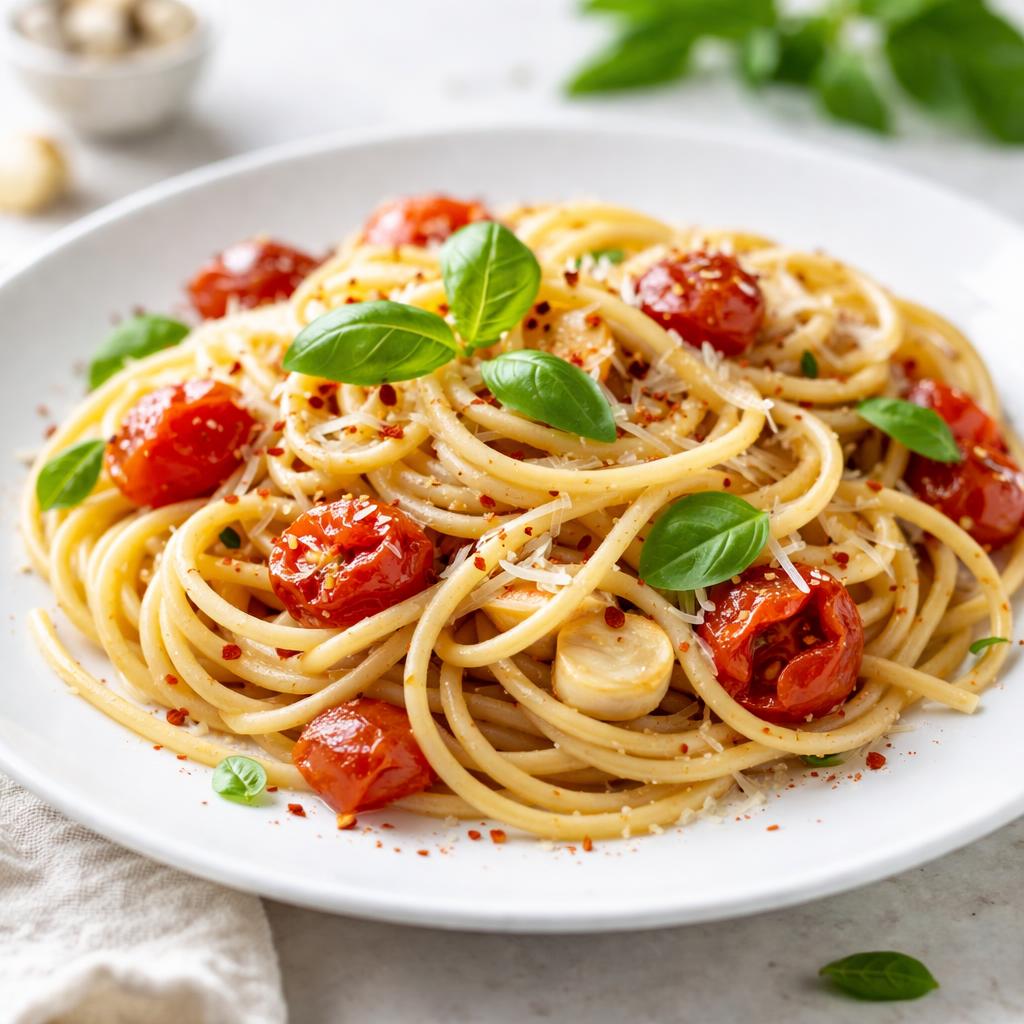
Pasta
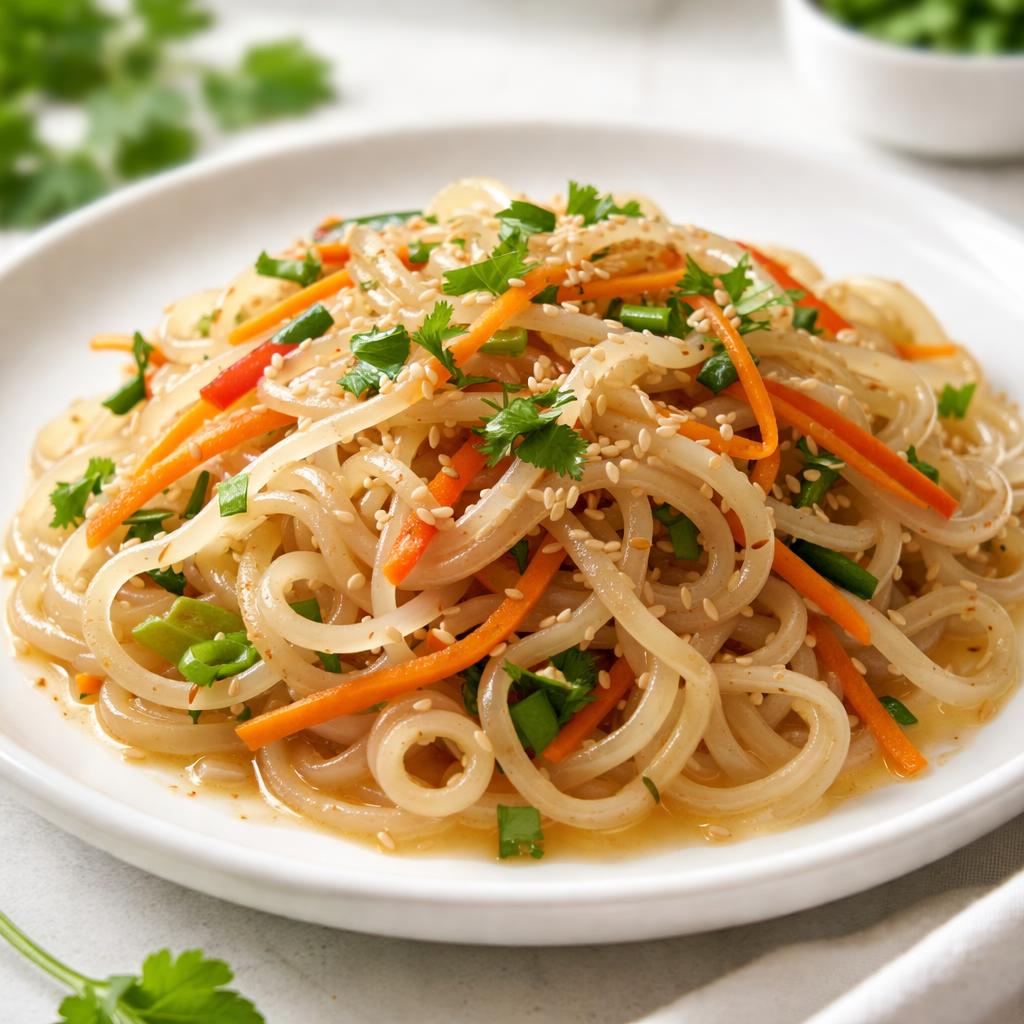
Konjac Noodles
🎯 Quick Verdict
Konjac noodles are extremely low in calories and carbohydrates, making them ideal for weight loss and low-carb diets. Pasta offers more protein and energy, making it better for balanced meals or fueling physical activity. Dietary choice depends on personal goals like calorie reduction or macronutrient balance.

Smart Nutrition Tracking with SnapCalorie

📊 Nutritional Comparison
Macronutrients
| Nutrient | Food 1 | Food 2 | Winner |
|---|---|---|---|
| Calories | 200 | 15 | − |
| Protein | 7g | 0g | − |
| Carbs | 42g | 3g | − |
| Fat | 1g | 0g | − |
| Fiber | 2g | 4g | − |
Vitamins & Minerals
| Nutrient | Food 1 | Food 2 | Winner |
|---|---|---|---|
| Vitamin D | 0mcg | 0mcg | − |
| Calcium | 15mg | 12mg | − |
| Iron | 1mg | 0mg | − |
🏆 Category Winners
Protein
Pasta has 7g of protein per serving, whereas konjac noodles contain none.
Fiber
Konjac noodles provide 4g of fiber compared to 2g in pasta.
Calories
Konjac noodles are extremely low-calorie with only 15 calories per serving.
🥗 Diet Compatibility
Keto
Food 1: Not Compatible
Food 2: Compatible
Konjac noodles are ultra low-carb (3g per serving), while pasta contains 42g of carbs per serving.
Vegan
Food 1: Compatible
Food 2: Compatible
Both are plant-based under regular preparation methods.
Gluten Free
Food 1: Not Compatible
Food 2: Compatible
Pasta is usually made from wheat, while konjac noodles are naturally gluten-free.
Paleo
Food 1: Not Compatible
Food 2: Compatible
Konjac noodles align with paleo guidelines as they are plant-based and minimally processed.
Low-Carb
Food 1: Not Compatible
Food 2: Compatible
Pasta is high in carbohydrates (42g per serving), making it incompatible with low-carb diets.
💪 Health Benefits Comparison
Food 1 Benefits
- Provides energy for active lifestyles with its carbohydrate content
- Contains moderate protein for muscle maintenance
- Supplies small amounts of iron for improved oxygen transport
Food 2 Benefits
- Promotes weight loss due to its extremely low calorie content
- Supports digestion with high fiber content from glucomannan
- Suitable for blood sugar control because of its low-carb nature
- May contribute to satiety, reducing overall food intake
✅ The Bottom Line
Choose konjac noodles for weight management, low-carb diets, or digestion support. Opt for pasta if you need a quick source of energy, protein, or are not restricted by dietary plans like keto or paleo.
Choose Food 1 for: Athletes, high-energy meals, moderate protein needs
Choose Food 2 for: Weight loss, diabetes-friendly diets, low-carb lifestyles


