Pasta VS Bread Rolls
A detailed nutritional comparison
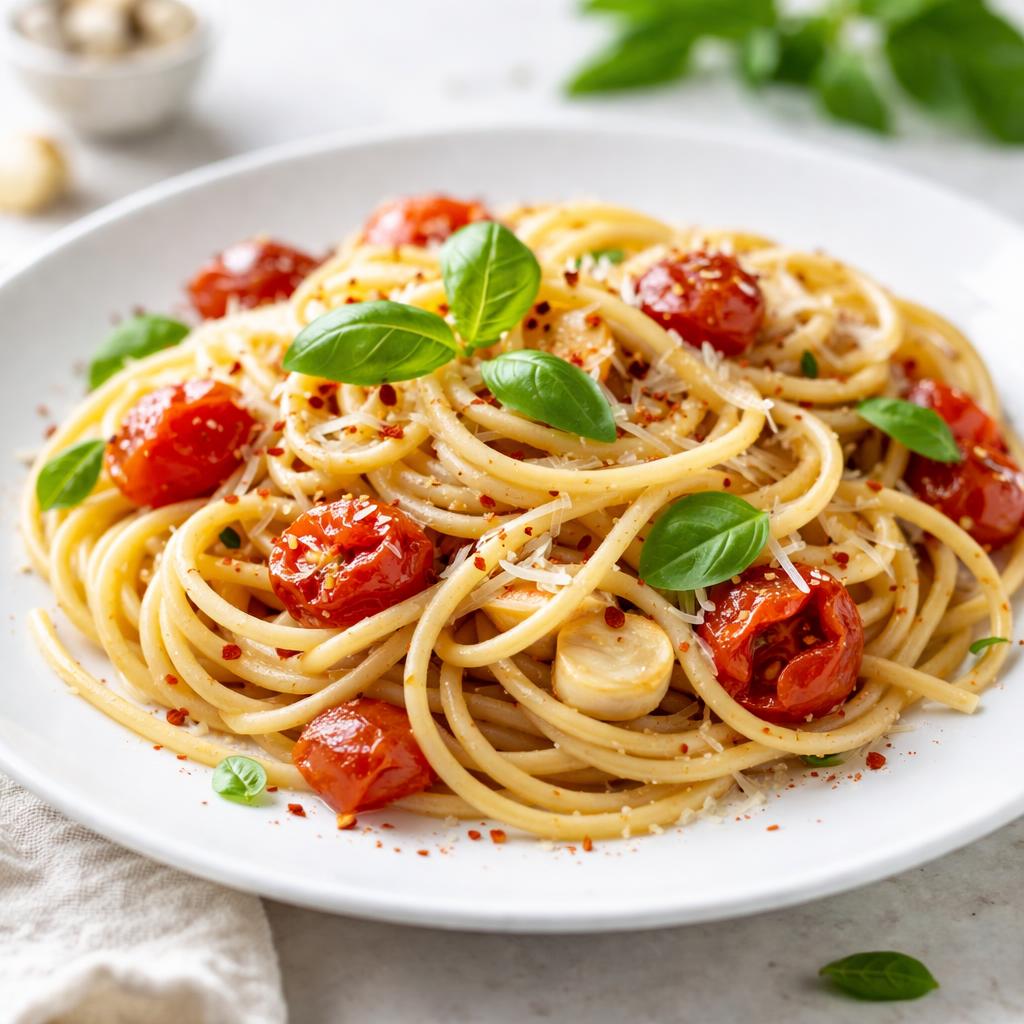
Pasta
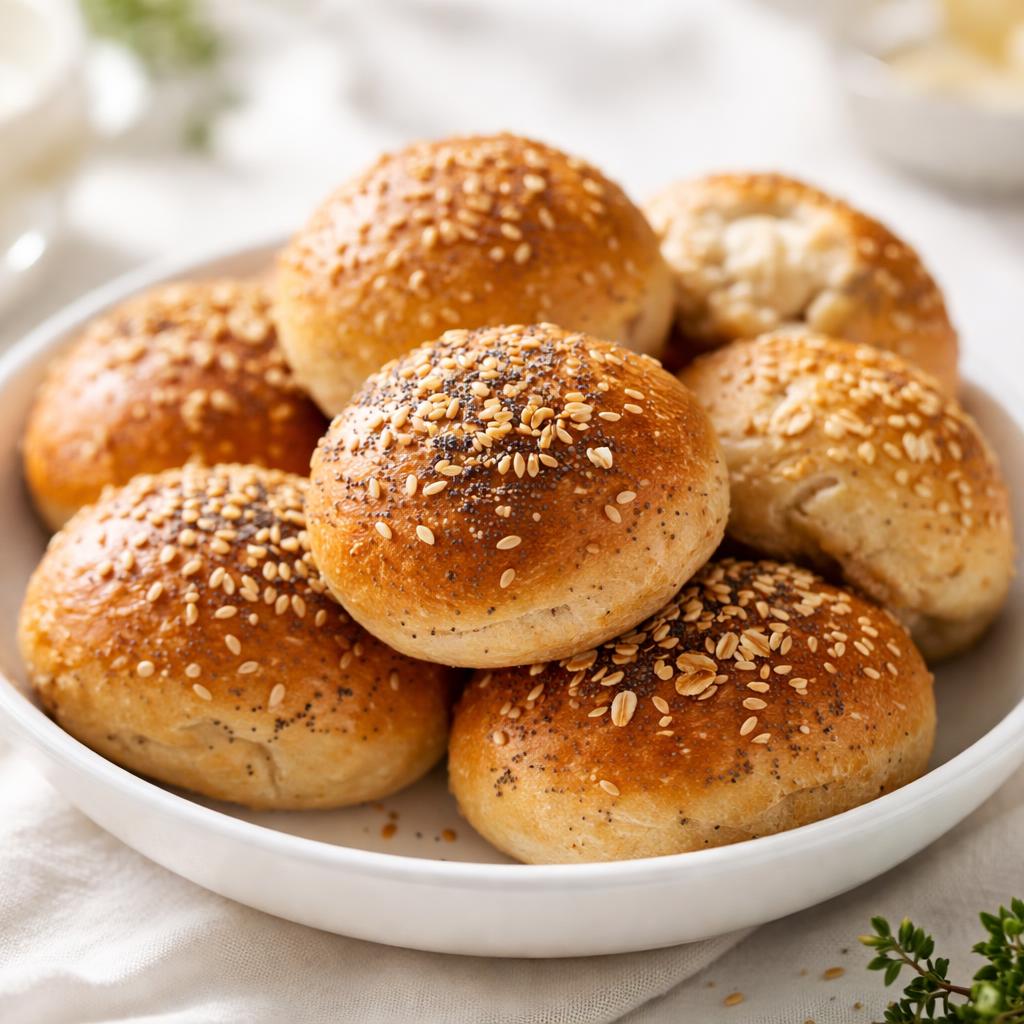
Bread Rolls
🎯 Quick Verdict
Pasta and bread rolls are both carbohydrate-rich foods but differ in their macronutrient balance. Pasta offers more protein and fiber, making it a better choice for muscle maintenance and digestion, while bread rolls are lower in calories per serving and provide quick energy. Pasta is more suitable for post-workout meals, whereas bread rolls work well for lighter, convenient options throughout the day.

Smart Nutrition Tracking with SnapCalorie

📊 Nutritional Comparison
Macronutrients
| Nutrient | Food 1 | Food 2 | Winner |
|---|---|---|---|
| Calories | 200 | 150 | ✓ |
| Protein | 7g | 4g | ✓ |
| Carbs | 42g | 28g | ✓ |
| Fat | 1.5g | 2g | ✓ |
| Fiber | 2.5g | 1g | ✓ |
Vitamins & Minerals
| Nutrient | Food 1 | Food 2 | Winner |
|---|---|---|---|
| Vitamin B1 (Thiamine) | 0.15mg | 0.1mg | ✓ |
| Iron | 2mg | 1.2mg | ✓ |
| Calcium | 15mg | 50mg | ✓ |
🏆 Category Winners
Protein
Pasta contains 75% more protein than bread rolls, supporting muscle recovery and growth.
Fiber
Pasta has more than twice the fiber content, improving digestion and satiety.
Calories
Bread rolls are lower in calories, making them a lighter option for calorie-conscious meals.
Vitamins
Pasta is higher in iron and vitamin B1, while bread rolls provide more calcium.
🥗 Diet Compatibility
Keto
Food 1: Not Compatible
Food 2: Not Compatible
Both are high-carb and unsuitable for ketogenic diets.
Vegan
Food 1: Compatible
Food 2: Compatible
Neither product contains animal-derived ingredients.
Gluten Free
Food 1: Not Compatible
Food 2: Not Compatible
Both contain gluten from wheat.
Paleo
Food 1: Not Compatible
Food 2: Not Compatible
Grain-based foods are excluded from paleo diets.
Low Carb
Food 1: Not Compatible
Food 2: Not Compatible
Both foods are too high in carbs for low-carb diets.
💪 Health Benefits Comparison
Food 1 Benefits
- Higher protein content supports muscle recovery and repair.
- Good source of fiber, aiding digestion and improving satiety.
- Rich in iron, promoting healthy blood function.
Food 2 Benefits
- Lower calorie option for weight management.
- Provides calcium for bone health.
- Convenient source of carbohydrates for quick energy.
✅ The Bottom Line
Choose pasta for protein and fiber-rich meals, especially post-workout or for long-lasting satiety. Opt for bread rolls as a low-calorie, quick energy source for snacks or light meals. Both foods are versatile but cater to different dietary needs.
Choose Food 1 for: Post-workout meals, muscle recovery, digestion support
Choose Food 2 for: Light meals, snacks, weight management-focused diets


