Pasta Sauce VS Tomato Pasta
A detailed nutritional comparison
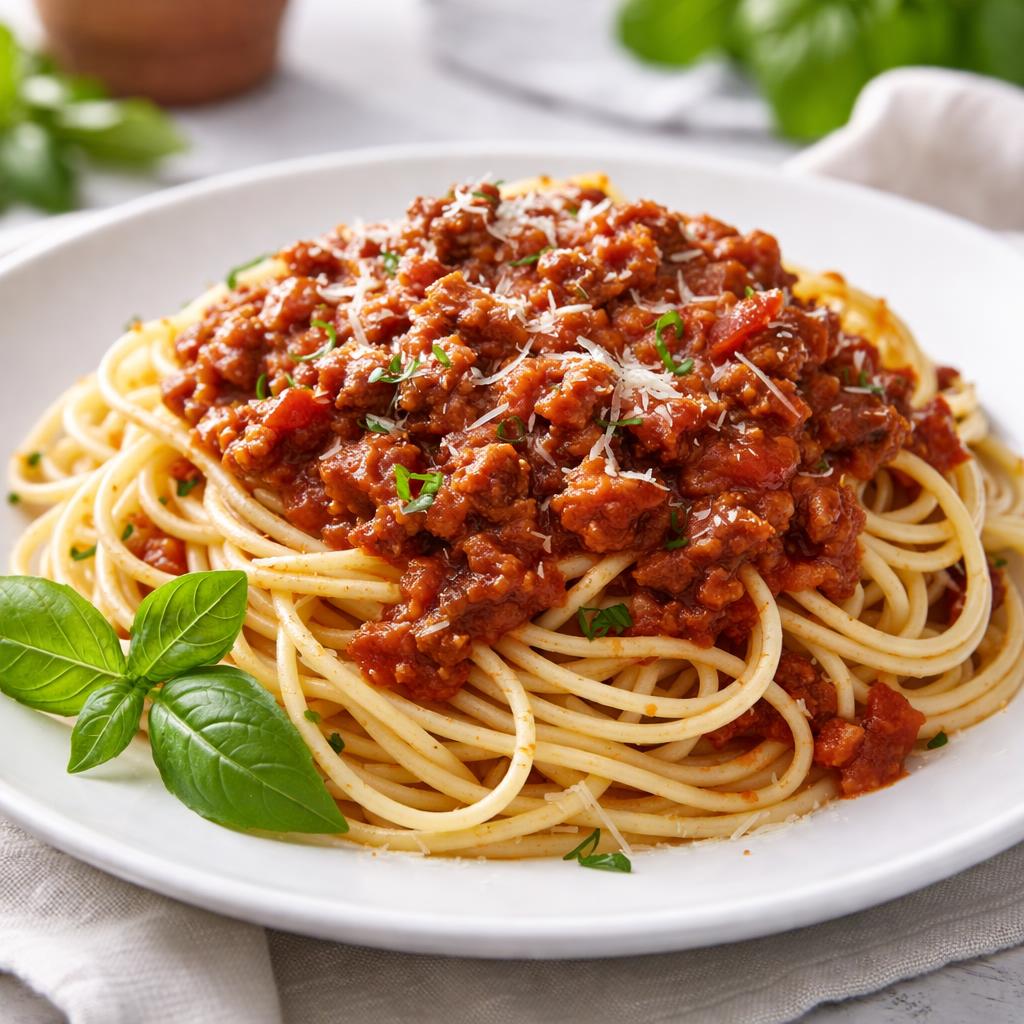
Pasta Sauce
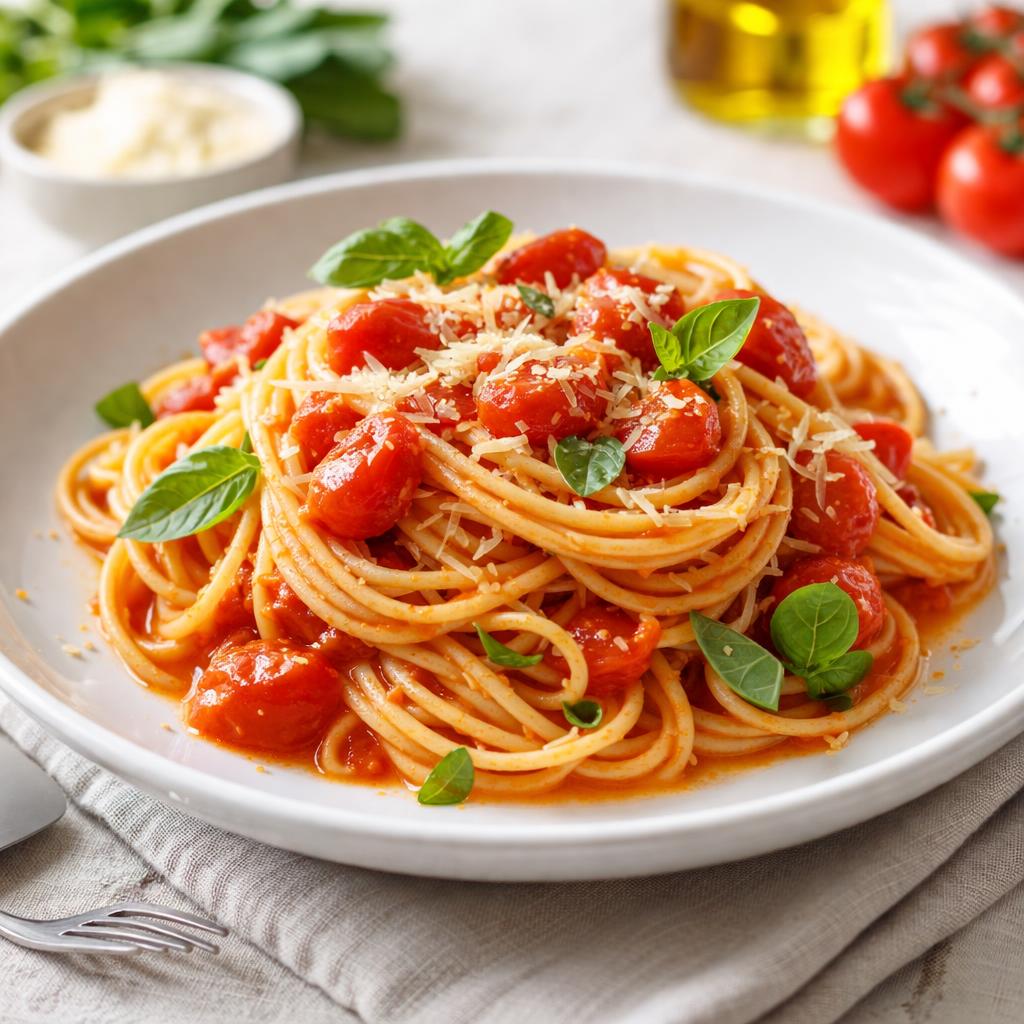
Tomato Pasta
🎯 Quick Verdict
Pasta sauce is lower in calories and fat, making it ideal for weight control, while tomato pasta is higher in protein and fiber, supporting muscle recovery and digestion. Pasta sauce works as a low-calorie topping, whereas tomato pasta is a complete meal option rich in nutrients.

Smart Nutrition Tracking with SnapCalorie

📊 Nutritional Comparison
Macronutrients
| Nutrient | Food 1 | Food 2 | Winner |
|---|---|---|---|
| Calories | 60 | 220 | ✓ |
| Protein | 2g | 7g | ✓ |
| Carbs | 12g | 35g | ✓ |
| Fat | 3g | 6g | ✓ |
| Fiber | 1g | 4g | ✓ |
Vitamins & Minerals
| Nutrient | Food 1 | Food 2 | Winner |
|---|---|---|---|
| Vitamin C | 7mg | 10mg | ✓ |
| Vitamin A | 500IU | 800IU | ✓ |
| Calcium | 20mg | 50mg | ✓ |
| Iron | 0.5mg | 2mg | ✓ |
🏆 Category Winners
Protein
Tomato pasta contains over 3x more protein (7g vs 2g).
Fiber
Tomato pasta offers 4g of fiber compared to 1g in pasta sauce.
Calories
Pasta sauce has significantly fewer calories (60 vs 220).
🥗 Diet Compatibility
Keto
Food 1: Not Compatible
Food 2: Not Compatible
Both are high-carb foods (12g or more per serving).
Vegan
Food 1: Compatible
Food 2: Compatible
Both are plant-based products.
Gluten Free
Food 1: Compatible
Food 2: Not Compatible
Pasta sauce does not contain gluten; tomato pasta typically contains wheat.
Paleo
Food 1: Not Compatible
Food 2: Not Compatible
Both foods contain processed ingredients not allowed in paleo diets.
Low Carb
Food 1: Not Compatible
Food 2: Not Compatible
Neither food meets low-carbohydrate criteria, as both exceed 10g carbs per serving.
💪 Health Benefits Comparison
Food 1 Benefits
- Low calorie option for weight management
- Rich in lycopene, supporting heart and skin health
- Provides Vitamin C for immune system boosting
Food 2 Benefits
- High in fiber to enhance digestion and gut health
- Contains protein to support muscle maintenance and repair
- Good source of essential vitamins like A and C for improved vision and immunity
✅ The Bottom Line
Choose pasta sauce when looking for a low-calorie addition to meals or when you're focusing on weight loss. Tomato pasta is better for a more filling, protein-rich meal ideal for post-workout recovery or sustained energy throughout the day.
Choose Food 1 for: Low-calorie diets, sauces or toppings, weight management
Choose Food 2 for: Balanced meals, digestion improvement, active lifestyles


