Pasta Salad VS Pasta Shells
A detailed nutritional comparison
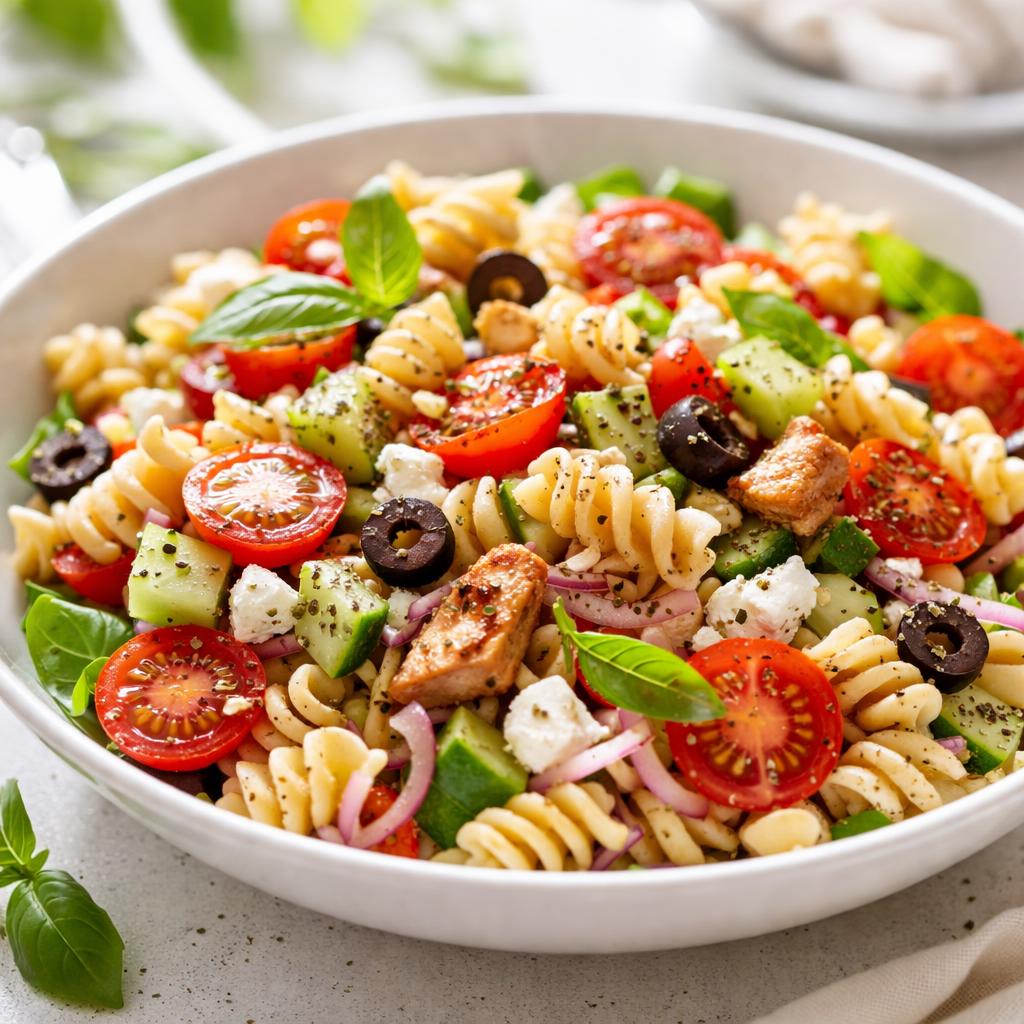
Pasta Salad
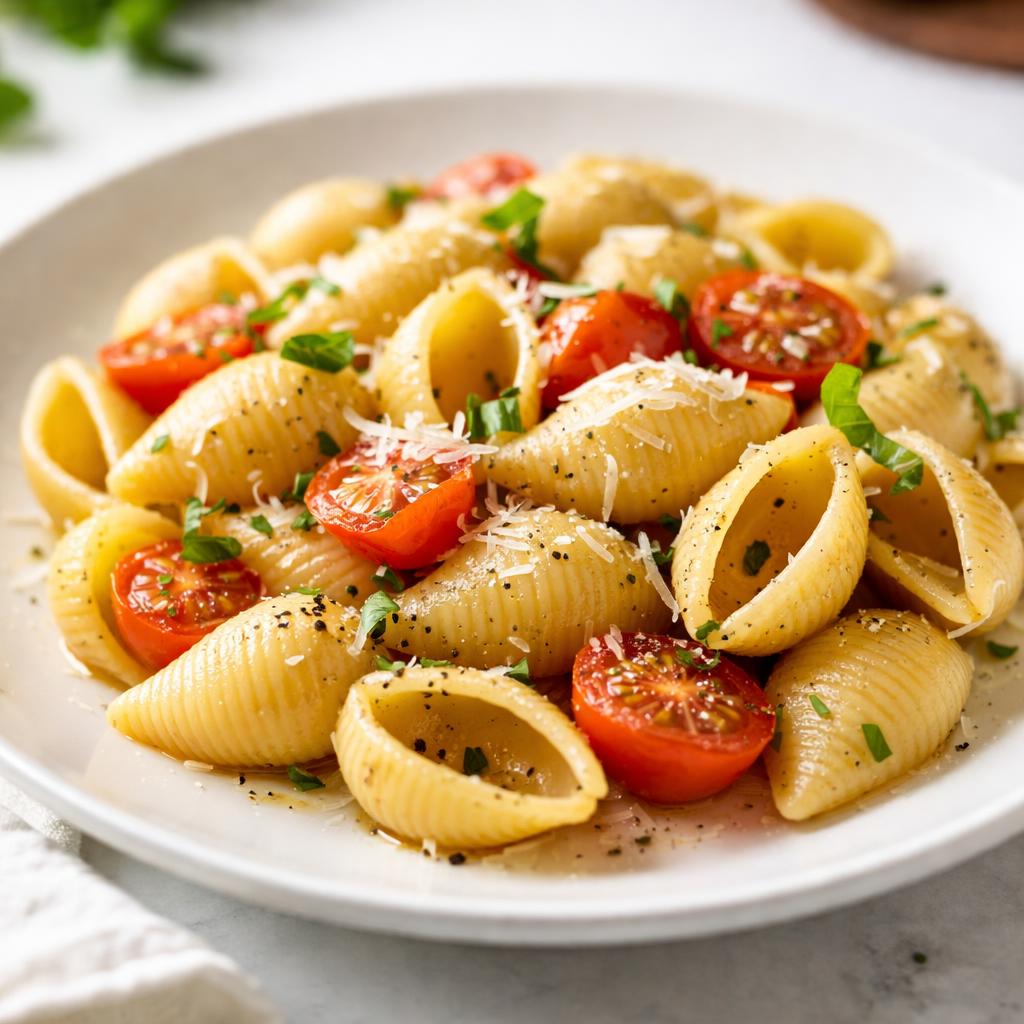
Pasta Shells
🎯 Quick Verdict
Pasta salad generally offers more balanced nutrition compared to pasta shells alone, including higher protein and fiber content due to added vegetables and dressing. Pasta shells are lower in calories and simpler, making them more customizable and ideal for those seeking a plain base for other dishes.

Smart Nutrition Tracking with SnapCalorie

📊 Nutritional Comparison
Macronutrients
| Nutrient | Food 1 | Food 2 | Winner |
|---|---|---|---|
| Calories | 190 | 160 | ✓ |
| Protein | 8g | 5g | ✓ |
| Carbs | 24g | 32g | ✓ |
| Fat | 8g | 1g | ✓ |
| Fiber | 3g | 2g | ✓ |
Vitamins & Minerals
| Nutrient | Food 1 | Food 2 | Winner |
|---|---|---|---|
| Vitamin A | 300IU | 10IU | ✓ |
| Vitamin C | 5mg | 0mg | ✓ |
| Iron | 1.8mg | 1.3mg | ✓ |
| Calcium | 35mg | 15mg | ✓ |
🏆 Category Winners
Protein
Pasta salad provides 60% more protein due to added ingredients like cheese or chickpeas.
Fiber
Pasta salad includes vegetables, increasing fiber by 50%.
Calories
Pasta shells are simpler, with fewer added ingredients, resulting in 15% fewer calories per serving.
🥗 Diet Compatibility
Keto
Food 1: Not Compatible
Food 2: Not Compatible
Both are high in carbs.
Vegan
Food 1: Potentially Compatible
Food 2: Compatible
Pasta salad can be vegan depending on ingredients used, while plain pasta shells are typically vegan.
Gluten Free
Food 1: Potentially Compatible
Food 2: Potentially Compatible
Both require gluten-free pasta substitutions to be gluten-free.
Paleo
Food 1: Not Compatible
Food 2: Not Compatible
Both foods are grain-based and not suitable for paleo diets.
Low-Carb
Food 1: Not Compatible
Food 2: Not Compatible
Both foods are high in carbohydrates, exceeding low-carb thresholds.
💪 Health Benefits Comparison
Food 1 Benefits
- Provides more balanced nutrition with protein and healthy fats
- Higher fiber supports digestion and gut health
- Rich in vitamins A and C for immune boosting and skin health
- Includes diverse ingredients for added nutrients
Food 2 Benefits
- Low-fat and lower-calorie per serving, great for lighter meals
- Provides iron for healthy blood circulation
- A neutral base for creating diverse dishes
- Simple carbohydrate source for quick energy
✅ The Bottom Line
Pasta salad is a better choice for a balanced and nutrient-dense meal due to its higher protein, fiber, and vitamins, ideal for post-workout or everyday meals. Pasta shells work well for those seeking lower-calorie options or a versatile base for recipes.
Choose Food 1 for: Balanced meal, digestion support, nutrient density
Choose Food 2 for: Calorie-conscious diets, energy-boosting options, recipe adaptability


