Pasta Salad VS Lemon Rice
A detailed nutritional comparison
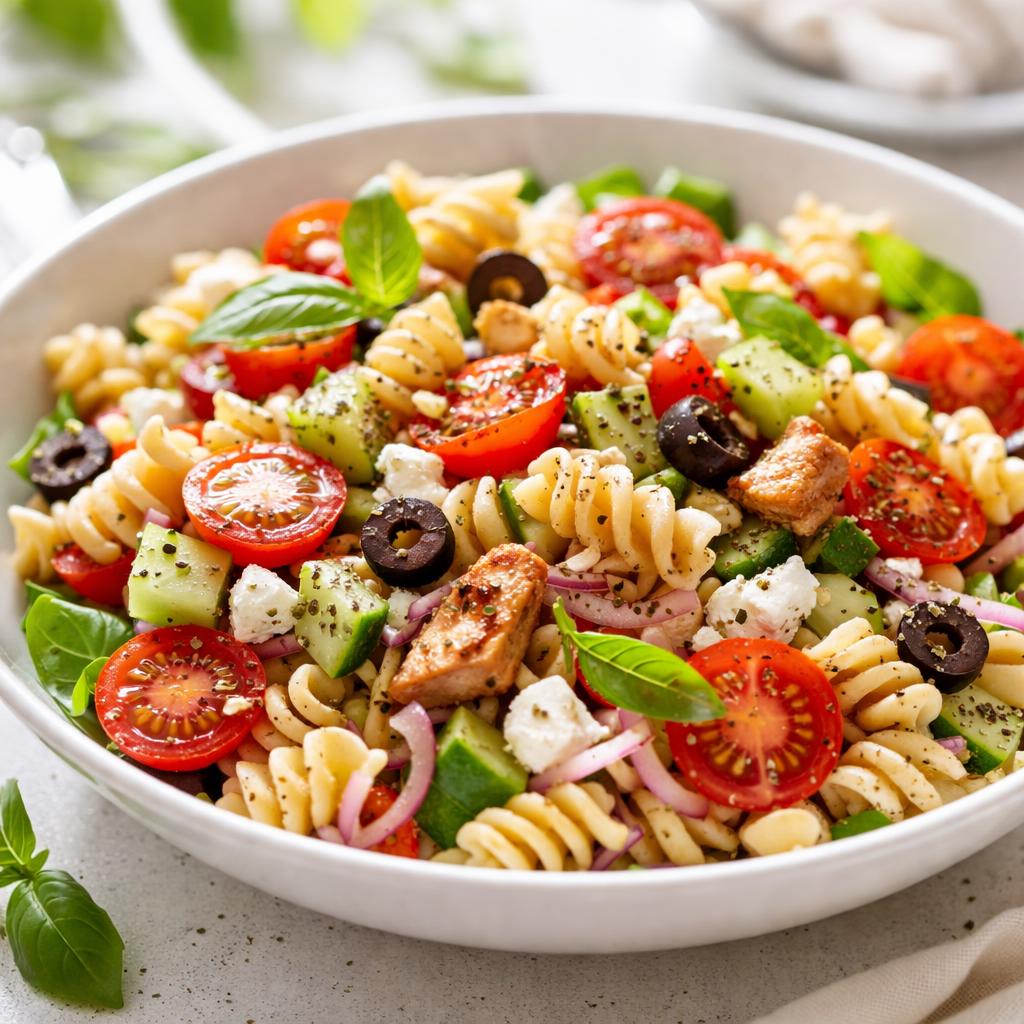
Pasta Salad
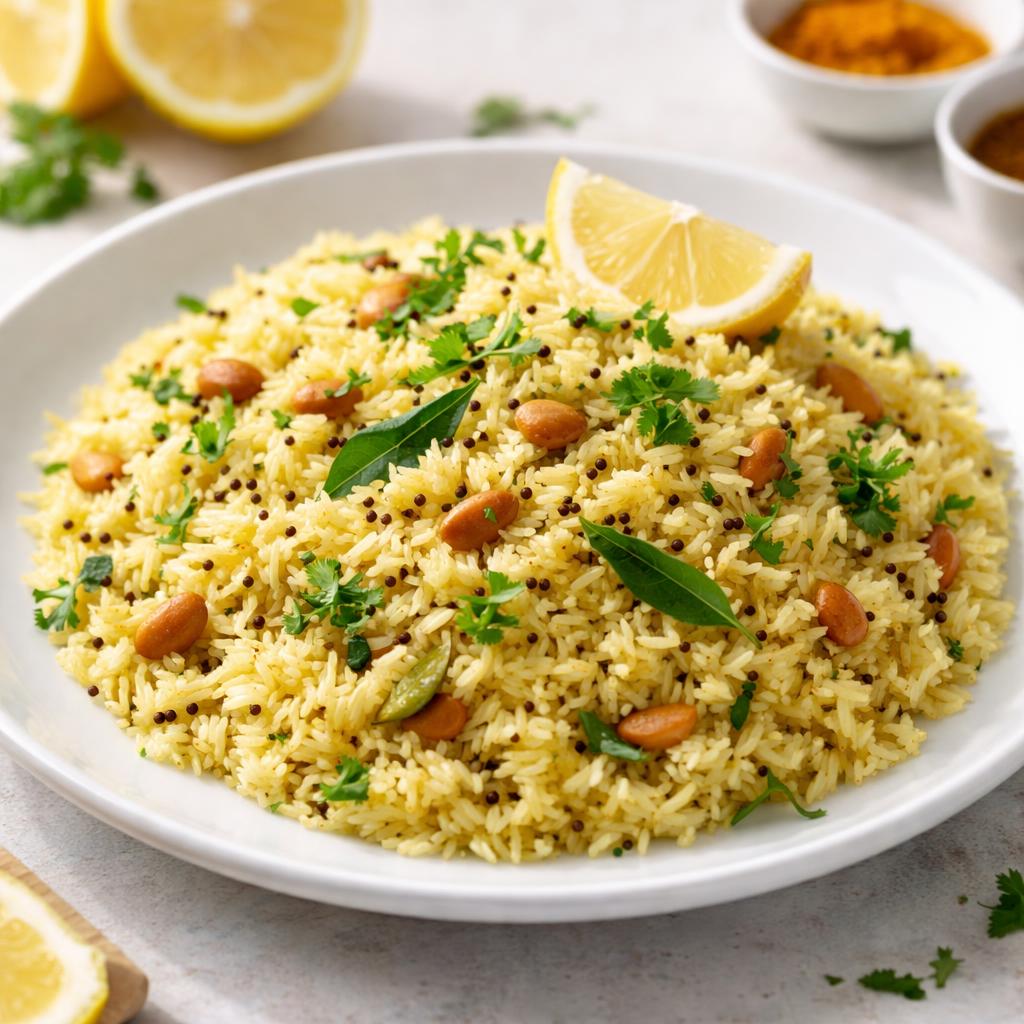
Lemon Rice
🎯 Quick Verdict
Pasta salad is higher in protein and fiber, making it good for muscle maintenance and digestive health. Lemon rice is lower in calories and better suited for light meals or energy-focused diets. Both offer distinct nutritional benefits depending on individual dietary goals.

Smart Nutrition Tracking with SnapCalorie

📊 Nutritional Comparison
Macronutrients
| Nutrient | Food 1 | Food 2 | Winner |
|---|---|---|---|
| Calories | 250 | 210 | ✓ |
| Protein | 8g | 3g | ✓ |
| Carbs | 32g | 28g | ✓ |
| Fat | 12g | 8g | ✓ |
| Fiber | 3g | 2g | ✓ |
Vitamins & Minerals
| Nutrient | Food 1 | Food 2 | Winner |
|---|---|---|---|
| Vitamin C | 4mg | 10mg | ✓ |
| Vitamin A | 200IU | 150IU | ✓ |
| Iron | 2mg | 1mg | ✓ |
🏆 Category Winners
Protein
Food1 has more than double the protein compared to food2.
Fiber
Food1 provides 50% more fiber per serving, aiding digestion.
Calories
Food2 is lower in calories by about 15%, making it lighter.
Vitamins
Food2 is richer in Vitamin C, offering better immune support.
🥗 Diet Compatibility
Keto
Food 1: Not Compatible
Food 2: Not Compatible
Both foods are high in carbs and not suitable for keto diets.
Vegan
Food 1: Compatible
Food 2: Compatible
Both foods are plant-based and free from animal products.
Gluten Free
Food 1: Not Compatible
Food 2: Compatible
Food1 typically contains pasta with gluten, while food2 (if made with gluten-free rice) is gluten-free.
Paleo
Food 1: Not Compatible
Food 2: Compatible
Food1 includes processed pasta, which is not paleo, while food2 is often made with natural ingredients.
Low-Carb
Food 1: Not Compatible
Food 2: Not Compatible
Both foods exceed low-carb thresholds with over 25g carbs per serving.
💪 Health Benefits Comparison
Food 1 Benefits
- Provides a good amount of protein for muscle repair
- Rich in fiber, promoting better digestion
- Contains healthy fats for general well-being
Food 2 Benefits
- Low in calories, making it ideal for weight management
- High in Vitamin C for immune support
- Offers a moderate amount of healthy fats for heart health
✅ The Bottom Line
Pasta salad is a nutrient-dense choice for those seeking higher protein and fiber content, particularly for post-workout meals or heavier meals. Lemon rice is better suited for lighter meals, weight-conscious diets, or those seeking a boost in Vitamin C. Choose based on your immediate dietary goals and preferences.
Choose Food 1 for: High-protein diets, post-workout meals, digestive health
Choose Food 2 for: Light meals, weight management, immune support


