Orzo Pasta VS Tomato Pasta
A detailed nutritional comparison
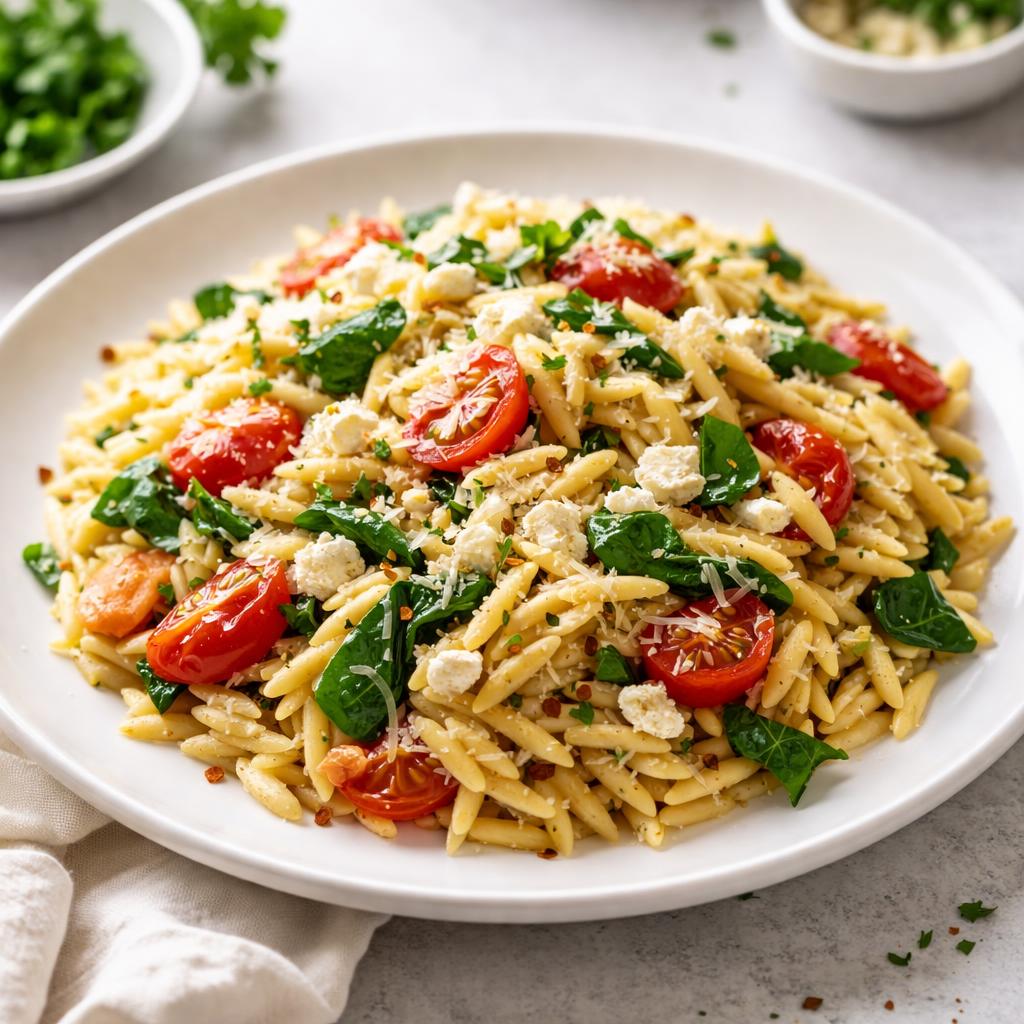
Orzo Pasta
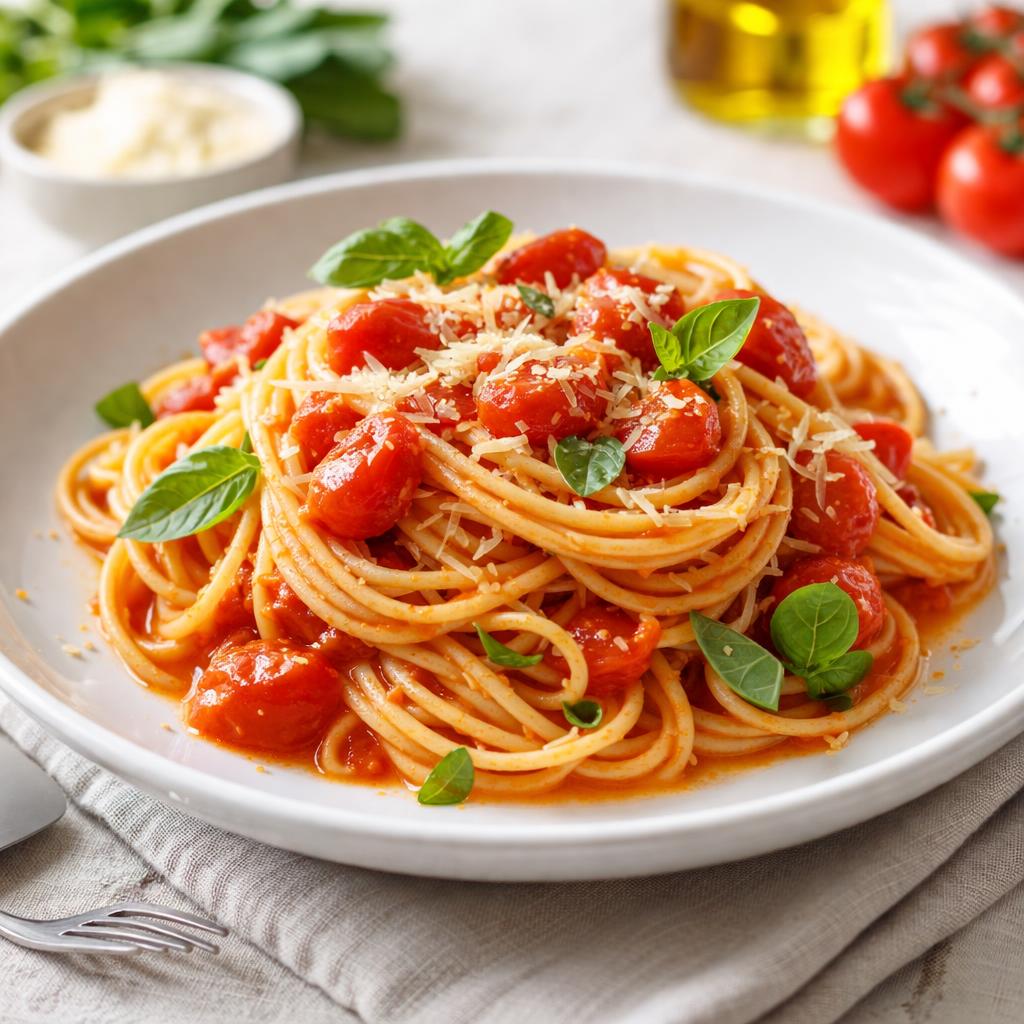
Tomato Pasta
🎯 Quick Verdict
Orzo pasta and tomato pasta provide similar overall nutrition, but they excel in different areas. Orzo is higher in protein (good for muscle support) and lower in calories, making it a solid choice for weight management. Tomato pasta has more fiber and antioxidants, offering better support for digestion and heart health. Choose orzo for energy and protein needs, and tomato pasta for micronutrients and fiber boost.

Smart Nutrition Tracking with SnapCalorie

📊 Nutritional Comparison
Macronutrients
| Nutrient | Food 1 | Food 2 | Winner |
|---|---|---|---|
| Calories | 210 | 250 | ✓ |
| Protein | 7g | 4g | ✓ |
| Carbs | 41g | 45g | ✓ |
| Fat | 1g | 2g | ✓ |
| Fiber | 2g | 4g | ✓ |
Vitamins & Minerals
| Nutrient | Food 1 | Food 2 | Winner |
|---|---|---|---|
| Vitamin C | 0mg | 10mg | ✓ |
| Vitamin A | 0IU | 500IU | ✓ |
| Calcium | 10mg | 20mg | ✓ |
| Iron | 1mg | 2mg | ✓ |
🏆 Category Winners
Protein
Orzo provides 75% more protein per serving.
Fiber
Tomato pasta contains double the fiber, boosting digestive benefits.
Calories
Orzo has 16% fewer calories, suitable for lower-calorie diets.
Vitamins
Tomato pasta significantly outperforms in Vitamin C, A, and Iron content.
🥗 Diet Compatibility
Keto
Food 1: Not Compatible
Food 2: Not Compatible
Both are high in carbs.
Vegan
Food 1: Compatible
Food 2: Compatible
Both are plant-based and free of animal products.
Gluten Free
Food 1: Not Compatible
Food 2: Not Compatible
Both contain traditional pasta which includes gluten.
Paleo
Food 1: Not Compatible
Food 2: Not Compatible
Pasta is not allowed on the paleo diet due to grain content.
Low-Carb
Food 1: Not Compatible
Food 2: Not Compatible
Both foods are carb-heavy with over 40g per serving.
💪 Health Benefits Comparison
Food 1 Benefits
- Good source of protein to support muscle maintenance
- Lower in calories for weight management
- Quick source of energy from complex carbs
Food 2 Benefits
- Rich in Vitamin C and antioxidants for immune support
- High fiber content aids digestion and promotes gut health
- Contains Vitamin A, supporting eye health and skin repair
✅ The Bottom Line
Orzo pasta is better for those seeking lower-calorie meals, higher protein, and energy for active lifestyles. Tomato pasta provides greater fiber and micronutrients, making it ideal for those prioritizing digestive health and antioxidant-rich options. Both work well in diverse recipes for balanced diets.
Choose Food 1 for: Weight management, post-workout meals, energy boost
Choose Food 2 for: Immune support, gut health, heart health


