Oats VS Rice Pudding
A detailed nutritional comparison
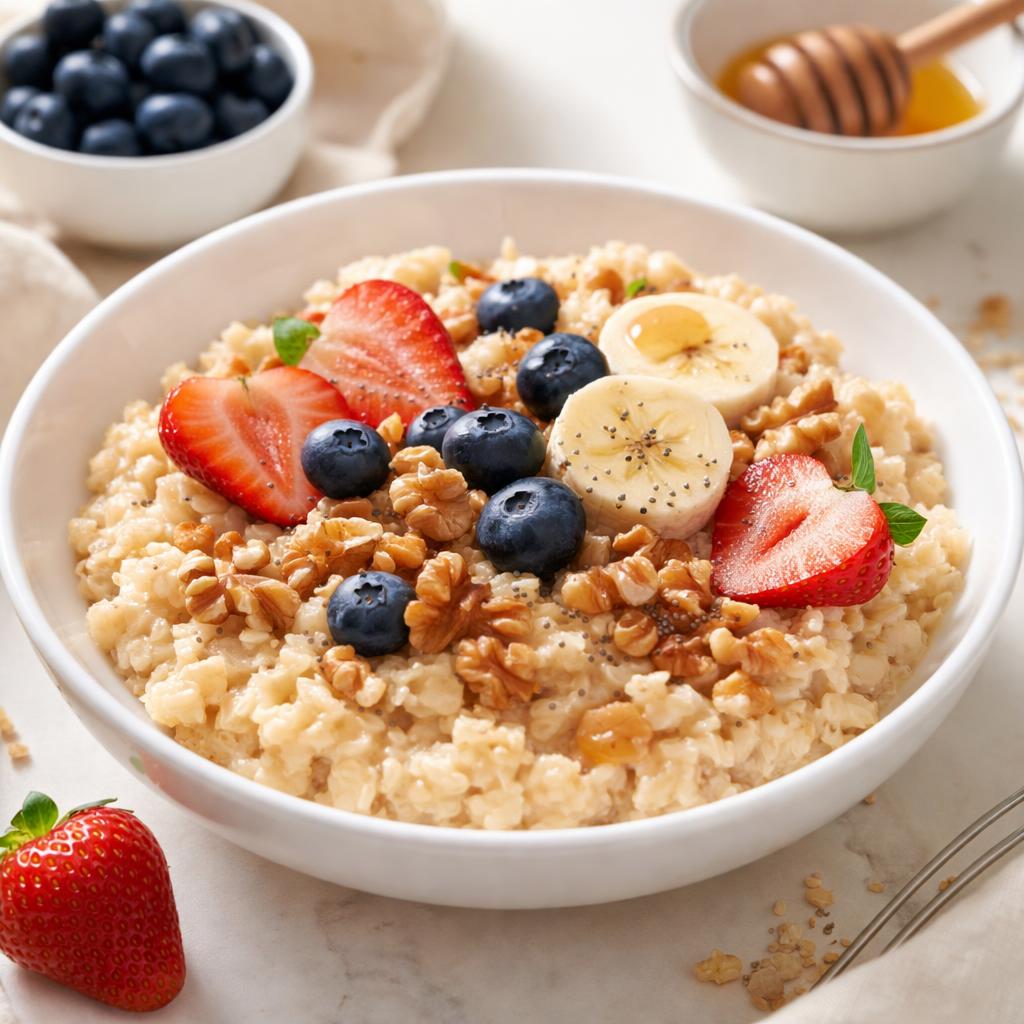
Oats
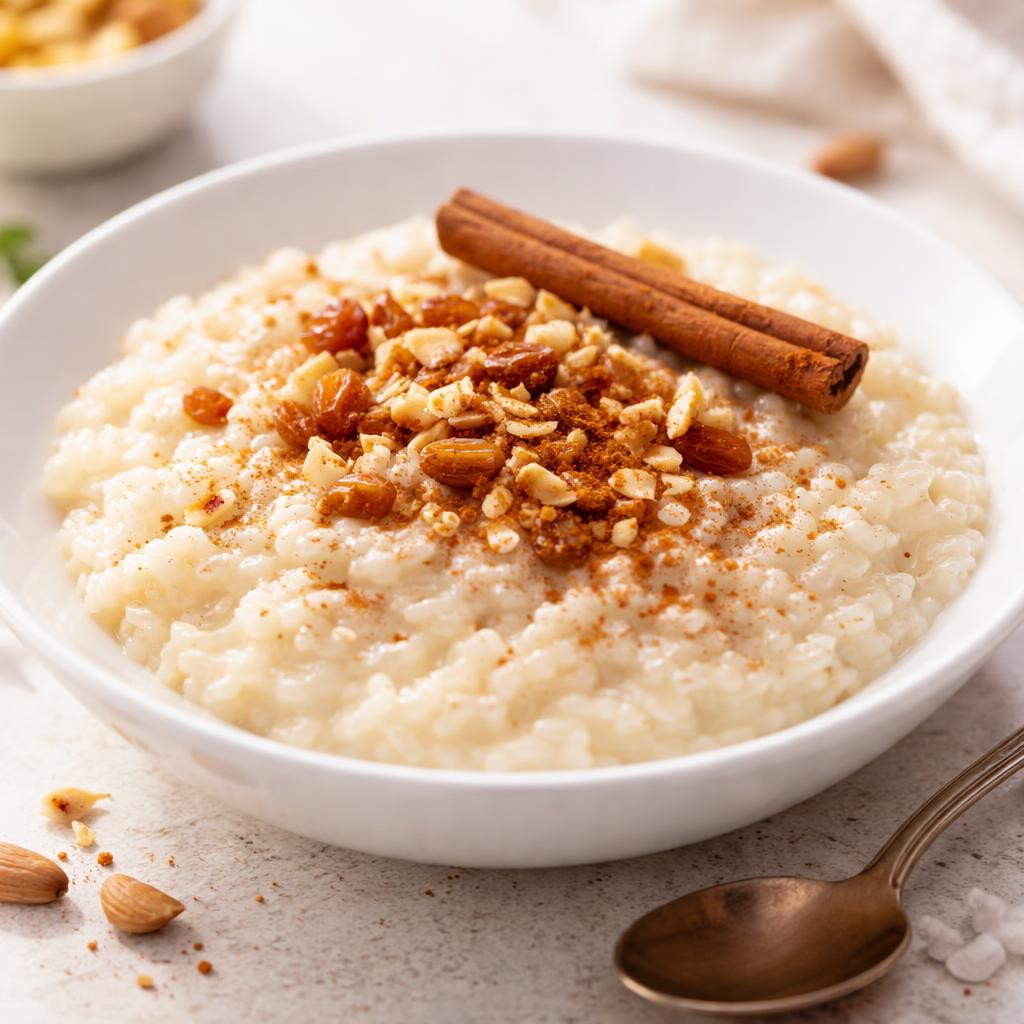
Rice Pudding
🎯 Quick Verdict
Oats are higher in protein, fiber, and have lower calories compared to rice pudding. Rice pudding offers more sugar and fats, making it a quick energy source but less suitable for weight loss. Oats are ideal for sustained energy and balanced nutrition, while rice pudding provides a sweeter, indulgent option for dessert or snacks.

Smart Nutrition Tracking with SnapCalorie

📊 Nutritional Comparison
Macronutrients
| Nutrient | Food 1 | Food 2 | Winner |
|---|---|---|---|
| Calories | 150 kcal (per 40g raw) | 160 kcal (per 100g cooked) | ✓ |
| Protein | 5g | 3g | ✓ |
| Carbs | 27g | 22g | ✓ |
| Fat | 3g | 3g | − |
| Fiber | 4g | 0.5g | ✓ |
| Sugar | 1g | 10g | ✓ |
Vitamins & Minerals
| Nutrient | Food 1 | Food 2 | Winner |
|---|---|---|---|
| Vitamin D | 0mcg | 2mcg (if fortified) | ✓ |
| Calcium | 20mg | 75mg | ✓ |
| Iron | 1.7mg | 0.5mg | ✓ |
| Magnesium | 40mg | 10mg | ✓ |
🏆 Category Winners
Protein
Oats have almost 70% more protein per serving than rice pudding.
Fiber
Oats provide 8x more fiber per serving, aiding digestion.
Calories
Oats contain slightly fewer calories raw compared to cooked rice pudding.
Vitamins
Rice pudding wins in specific vitamins (D and calcium), given fortification.
🥗 Diet Compatibility
Keto
Food 1: Not Compatible
Food 2: Not Compatible
Both are high-carb foods.
Vegan
Food 1: Compatible
Food 2: Only compatible if using plant-based milk
Oats are plant-based. Rice pudding depends on preparation.
Gluten Free
Food 1: Compatible (if certified GF)
Food 2: Compatible
Both can be gluten-free, but oats must have GF certification.
Paleo
Food 1: Not Compatible
Food 2: Not Compatible
Neither aligns with paleo principles due to grains.
Low-Carb
Food 1: Not Compatible
Food 2: Not Compatible
Both are carb-dense foods.
💪 Health Benefits Comparison
Food 1 Benefits
- Rich in soluble fiber like beta-glucan, which supports heart health and reduces cholesterol.
- Provides sustained energy and helps stabilize blood sugar levels.
- Good source of magnesium, promoting muscle and nerve function.
- Contains antioxidants like avenanthramides, which may reduce inflammation.
Food 2 Benefits
- Fortified versions provide vitamin D and calcium, supporting bone health.
- Offers quick energy from carbs and sugars, useful post-exercise.
- Contains small amounts of healthy fats depending on preparation.
- Easily digestible for sensitive stomachs or post-illness recovery.
✅ The Bottom Line
Choose oats for a balanced, nutrient-dense meal or snack that is high in protein and fiber, ideal for sustained energy and weight management. Opt for rice pudding if you need a quick sugar boost or an indulgent dessert, especially if fortified for added nutrients like vitamin D and calcium.
Choose Food 1 for: Weight loss, heart health, sustained energy, high-fiber diets
Choose Food 2 for: Quick energy boost, dessert, bone health (if fortified)


