Oats VS Quaker Oats
A detailed nutritional comparison
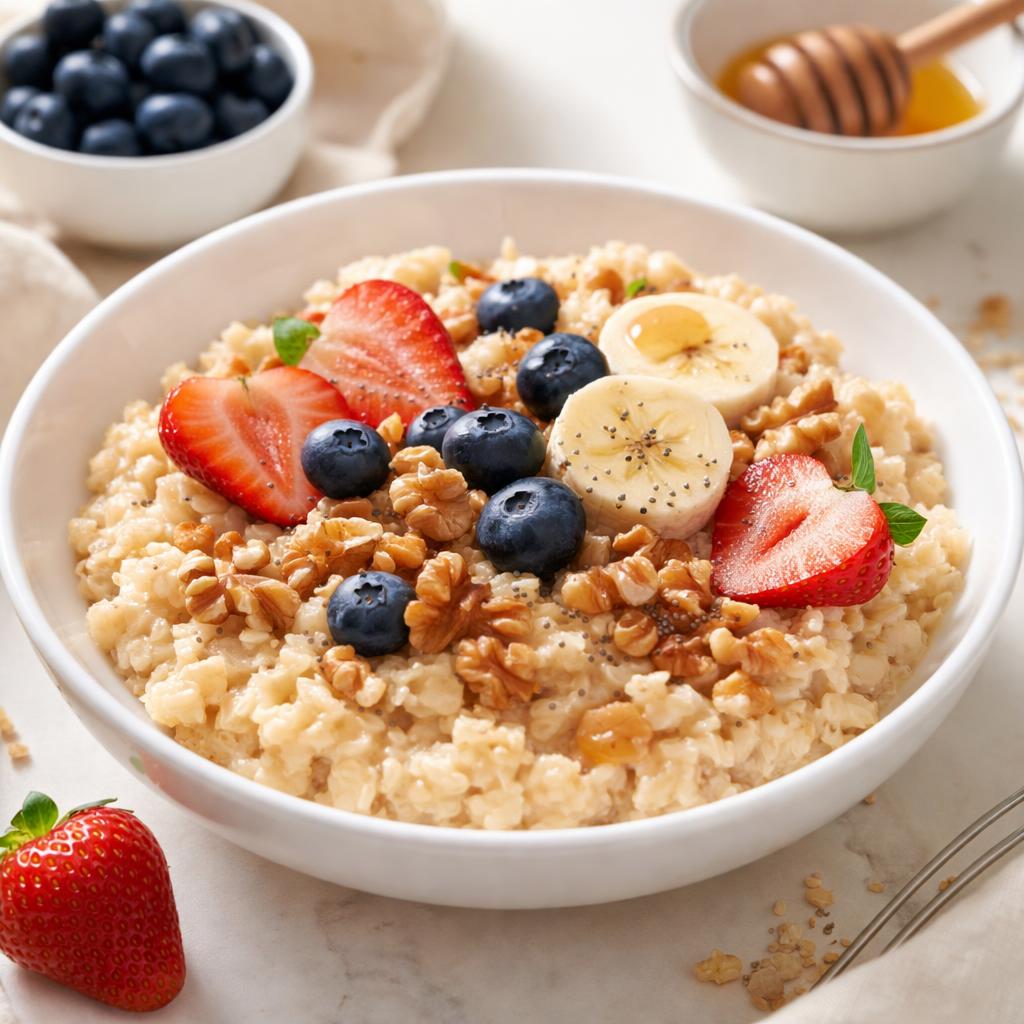
Oats
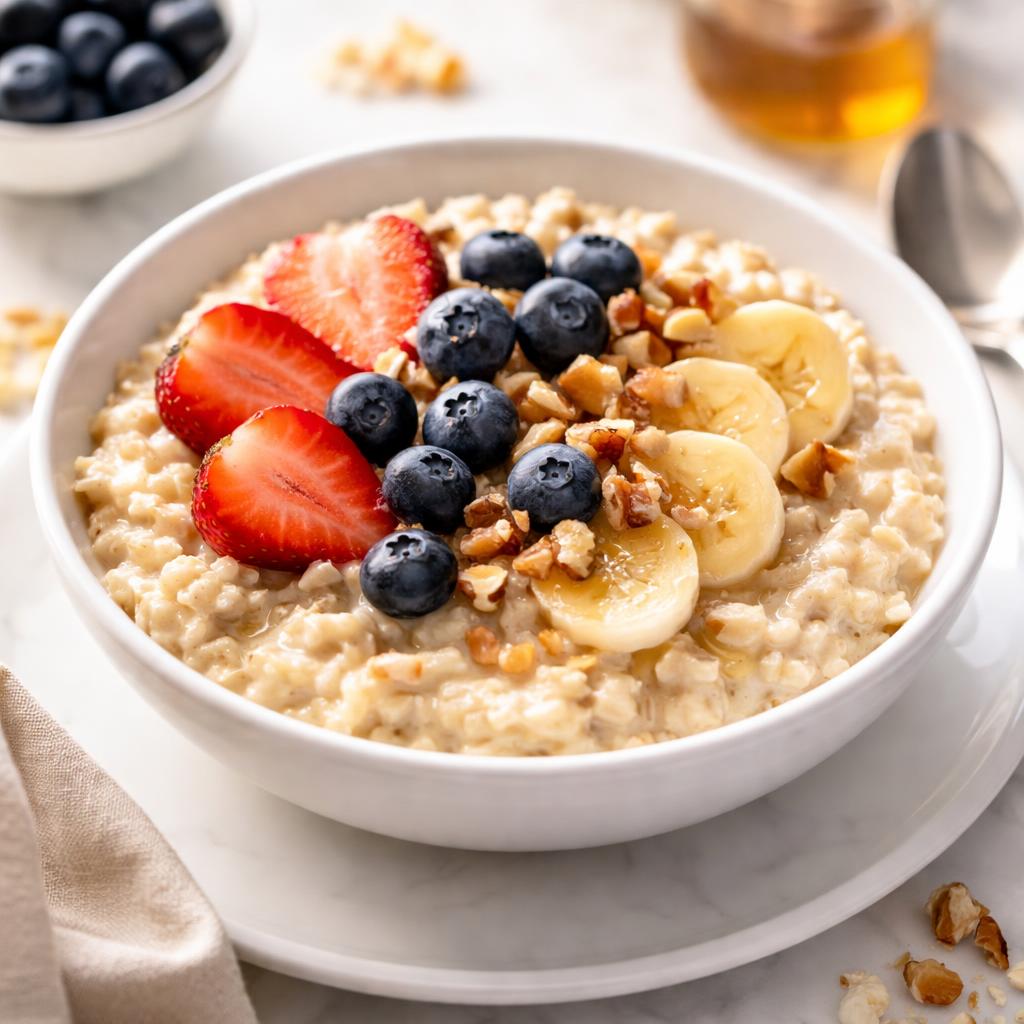
Quaker Oats
🎯 Quick Verdict
Oats and Quaker Oats are nutritionally similar as Quaker Oats are a popular brand of rolled oats with minor processing differences. Both provide high fiber, moderate protein, complex carbs, and beneficial micronutrients, making them excellent choices for heart health and sustained energy. They are interchangeable in most diet plans unless specific brands add flavoring or additives not present in plain oats.

Smart Nutrition Tracking with SnapCalorie

📊 Nutritional Comparison
Macronutrients
| Nutrient | Food 1 | Food 2 | Winner |
|---|---|---|---|
| Calories | 150 | 150 | − |
| Protein | 5g | 5g | − |
| Carbs | 27g | 27g | − |
| Fat | 3g | 3g | − |
| Fiber | 4g | 4g | − |
Vitamins & Minerals
| Nutrient | Food 1 | Food 2 | Winner |
|---|---|---|---|
| Vitamin D | 0mcg | 0mcg | − |
| Calcium | 20mg | 20mg | − |
| Iron | 1.5mg | 1.5mg | − |
🏆 Category Winners
Protein
Both contain 5g of protein per serving.
Fiber
Both provide 4g fiber per serving.
Calories
Identical calorie content at 150 kcal per serving.
🥗 Diet Compatibility
Keto
Food 1: Not Compatible
Food 2: Not Compatible
Oats are high in carbs and unsuitable for keto.
Vegan
Food 1: Compatible
Food 2: Compatible
Both are made purely from oats and plant-based.
Gluten Free
Food 1: Potentially Compatible
Food 2: Potentially Compatible
Oats are gluten-free but may have cross-contamination—verify certifications for guaranteed gluten-free.
Paleo
Food 1: Not Compatible
Food 2: Not Compatible
Oats are grains and excluded from paleo diets.
Low-Carb
Food 1: Not Compatible
Food 2: Not Compatible
Oats are high in carbohydrates (27g per serving).
💪 Health Benefits Comparison
Food 1 Benefits
- Rich in fiber for heart health
- Provides complex carbohydrates for sustained energy
- Contains beta-glucan which may help regulate cholesterol
- Good source of antioxidants
Food 2 Benefits
- Offers the same fiber benefits for heart health
- Supports energy with slow-digesting carbs
- Contains identical beta-glucan content for cholesterol management
- Fortified versions might supply additional nutrients, depending on packaging
✅ The Bottom Line
Both oats and Quaker Oats provide identical nutritional values when plain and unflavored. Choose either based on availability or preference for taste. Opt for plain oats in case additives are present in branded options.
Choose Food 1 for: Homemade recipes, heart-health diets, budget-friendly choices
Choose Food 2 for: Convenience, trusted processing standards, fortified options


