Oats VS Porridge Oats
A detailed nutritional comparison
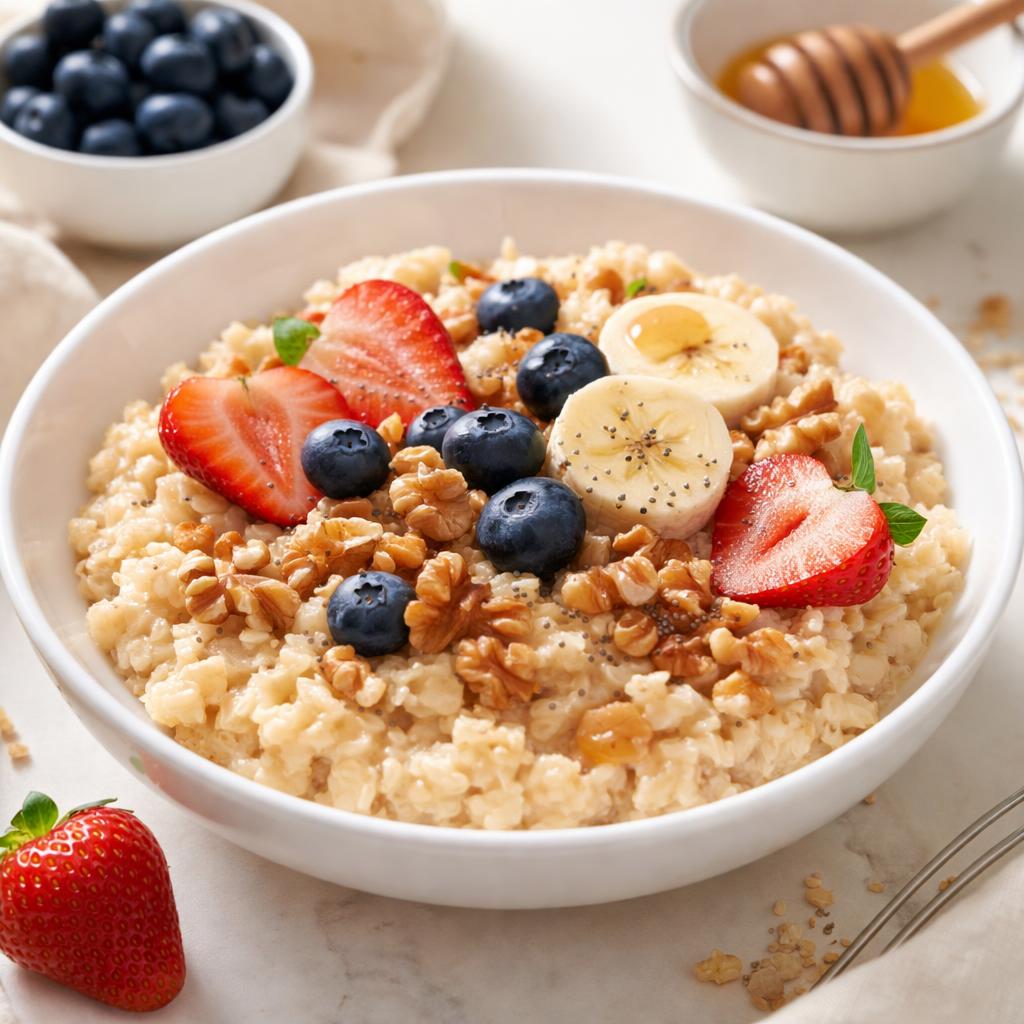
Oats
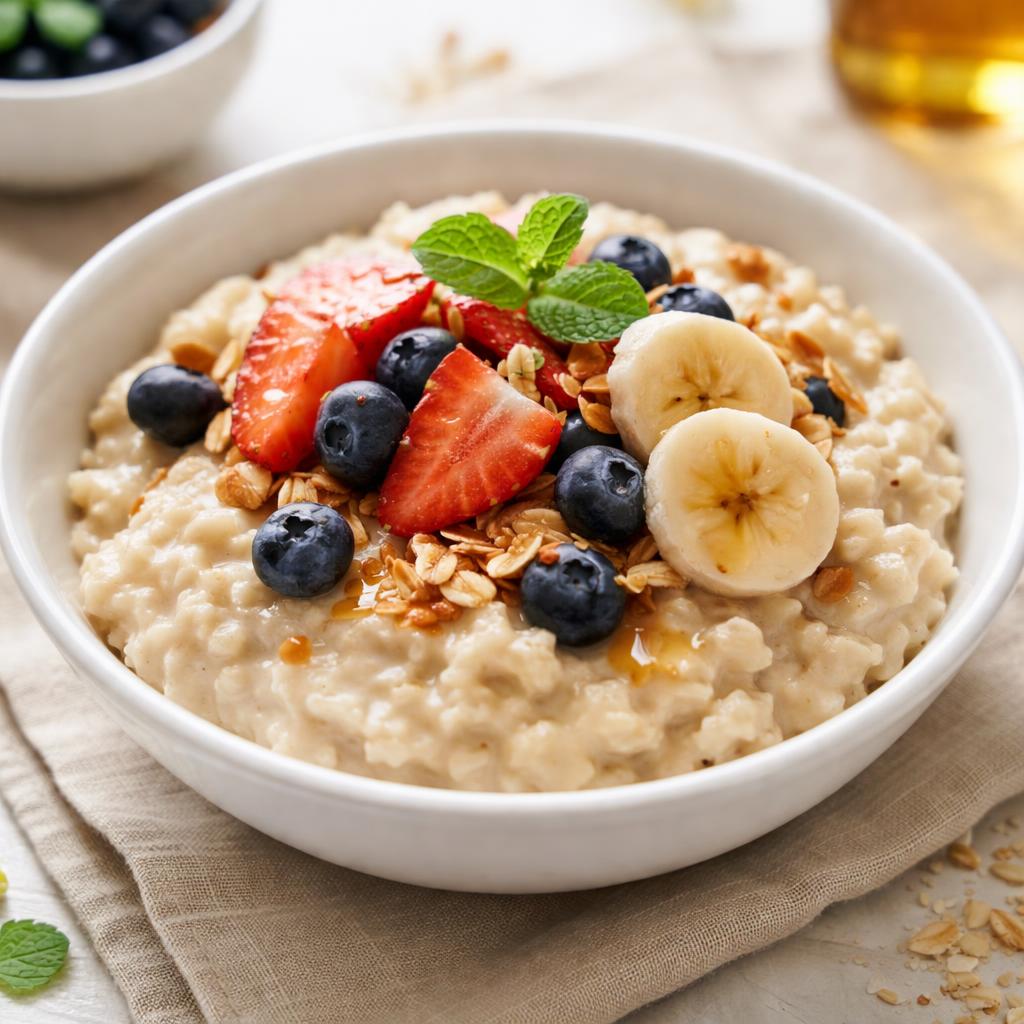
Porridge Oats
🎯 Quick Verdict
While oats (food1) offer slightly higher protein and fiber content, porridge oats (food2) are lower in calories and easier to digest due to their processed form. Oats are better for high-fiber, protein-focused diets, while porridge oats are ideal for lower-calorie meals or quick breakfasts.

Smart Nutrition Tracking with SnapCalorie

📊 Nutritional Comparison
Macronutrients
| Nutrient | Food 1 | Food 2 | Winner |
|---|---|---|---|
| Calories | 389 per 100g | 352 per 100g | ✓ |
| Protein | 16.9g per 100g | 11g per 100g | ✓ |
| Carbs | 66g per 100g | 60g per 100g | ✓ |
| Fat | 6.9g per 100g | 5.2g per 100g | ✓ |
| Fiber | 10.6g per 100g | 8g per 100g | ✓ |
Vitamins & Minerals
| Nutrient | Food 1 | Food 2 | Winner |
|---|---|---|---|
| Vitamin D | 0mcg | 0mcg | − |
| Calcium | 54mg | 20mg | ✓ |
| Iron | 4.7mg | 4.5mg | ✓ |
🏆 Category Winners
Protein
Food1 has 53% more protein compared to food2.
Fiber
Food1 has 33% more fiber, which improves digestion.
Calories
Food2 has roughly 10% fewer calories than food1.
Vitamins
Food1 delivers slightly better calcium and iron content.
🥗 Diet Compatibility
Keto
Food 1: Not Compatible
Food 2: Not Compatible
Both are high-carb foods.
Vegan
Food 1: Compatible
Food 2: Compatible
Both are entirely plant-based ingredients.
Gluten Free
Food 1: Potentially Compatible
Food 2: Potentially Compatible
Oats can be gluten-free if certified; check packaging.
Paleo
Food 1: Not Compatible
Food 2: Not Compatible
Grains are excluded from the paleo diet.
Low Carb
Food 1: Not Compatible
Food 2: Not Compatible
Both options are high in carbohydrates.
💪 Health Benefits Comparison
Food 1 Benefits
- Rich source of dietary fiber for improved digestion
- High in protein for muscle repair and maintenance
- Contains beneficial antioxidants like avenanthramides to reduce inflammation
Food 2 Benefits
- Lower calorie content, suitable for weight management
- Easy to digest and quick to prepare as a breakfast option
- Provides essential minerals like iron for better oxygen transport
✅ The Bottom Line
Choose oats (food1) if looking for higher protein and fiber content, ideal for muscle maintenance and digestive health. Opt for porridge oats (food2) for lower-calorie meals and quicker preparation. Both are excellent plant-based carb sources.
Choose Food 1 for: High-protein diets, improved digestion, antioxidant benefits
Choose Food 2 for: Weight management, quick breakfasts, easier digestion


