Oats VS Homemade Bread
A detailed nutritional comparison
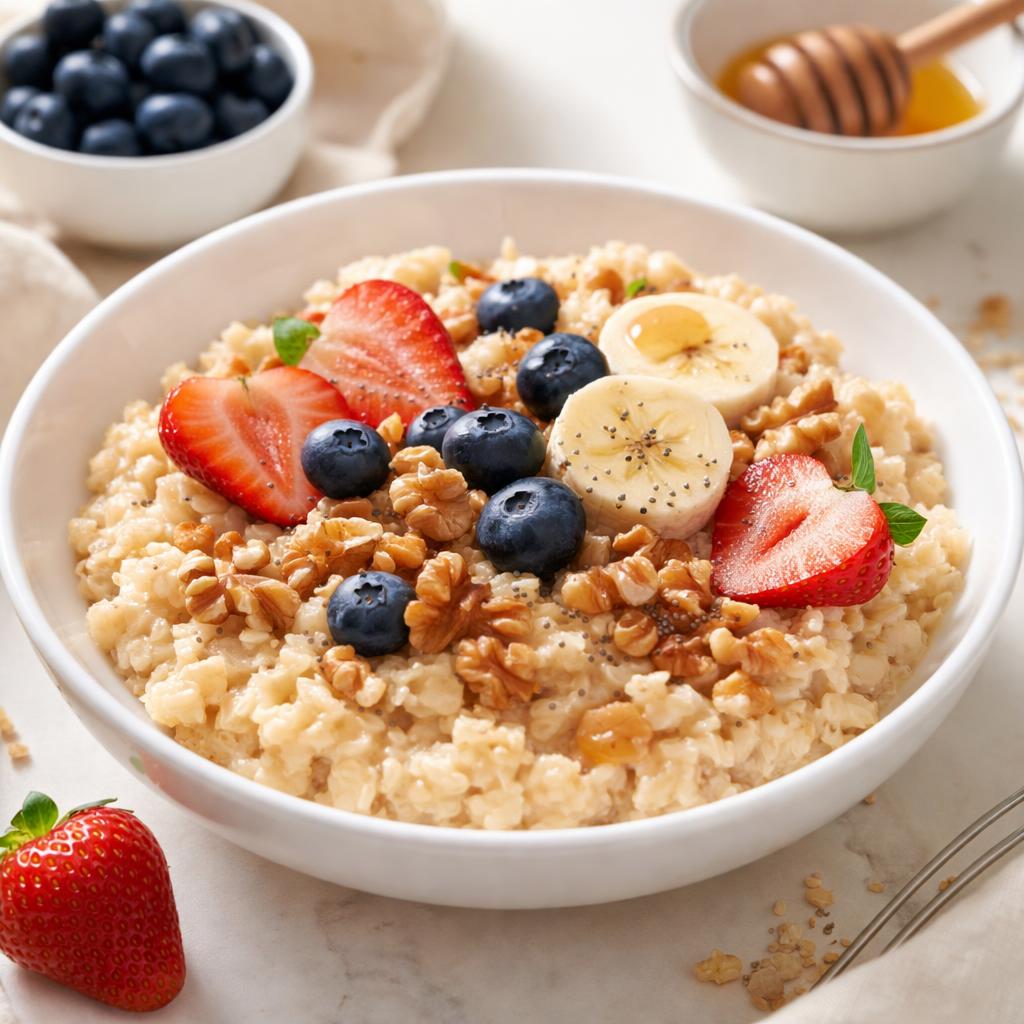
Oats
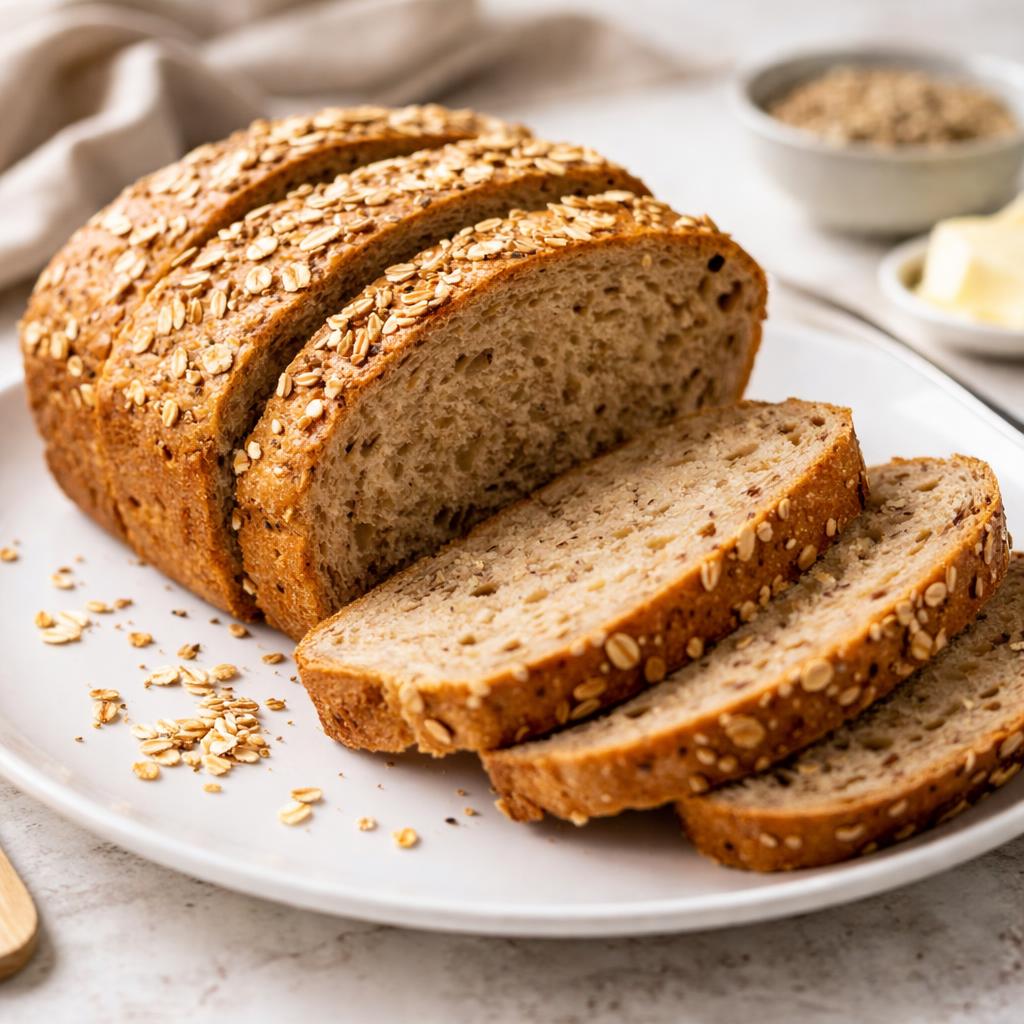
Homemade Bread
🎯 Quick Verdict
Oats and homemade bread both offer nutritional benefits, but oats stand out for their higher protein (5g vs 3g per serving), fiber (4g vs 1g), and lower calories (150 vs 200). While oats are ideal for heart health and weight management, homemade bread provides more versatility and energy from its higher carbohydrate content (36g vs 27g). Choose oats for nutrient density or bread for energy-focused meals.

Smart Nutrition Tracking with SnapCalorie

📊 Nutritional Comparison
Macronutrients
| Nutrient | Food 1 | Food 2 | Winner |
|---|---|---|---|
| Calories | 150 | 200 | − |
| Protein | 5g | 3g | − |
| Carbs | 27g | 36g | − |
| Fat | 3g | 4g | − |
| Fiber | 4g | 1g | − |
Vitamins & Minerals
| Nutrient | Food 1 | Food 2 | Winner |
|---|---|---|---|
| Vitamin B1 | 0.2mg | 0.1mg | − |
| Iron | 2mg | 1.2mg | − |
| Calcium | 20mg | 10mg | − |
🏆 Category Winners
Protein
Oats have 67% more protein than homemade bread per serving.
Fiber
Oats contain 400% more fiber, aiding digestion and satiety.
Calories
Oats are 25% lower in calories, supporting weight loss goals.
Vitamins
Oats provide higher levels of iron, vitamin B1, and calcium.
🥗 Diet Compatibility
Keto
Food 1: Not Compatible
Food 2: Not Compatible
Both are high in carbs and not suitable for keto diets.
Vegan
Food 1: Compatible
Food 2: Compatible
Both foods are plant-based and vegan-friendly as long as no dairy is included in bread preparation.
Gluten Free
Food 1: May Be Compatible
Food 2: Not Compatible
Certified gluten-free oats are available, but bread is typically wheat-based.
Paleo
Food 1: Not Compatible
Food 2: Not Compatible
Both foods are grain-based and thus excluded from paleo diets.
Low-Carb
Food 1: Not Compatible
Food 2: Not Compatible
Both foods are relatively high in carbohydrates, exceeding typical low-carb thresholds.
💪 Health Benefits Comparison
Food 1 Benefits
- Rich in soluble fiber for improving cholesterol levels
- Good source of plant-based protein for muscle maintenance
- Provides sustained energy due to complex carbohydrates
- Contains antioxidants that support heart health
Food 2 Benefits
- Offers a quick source of energy via higher carbohydrate content
- Contains minimal fat, making it heart-friendly when consumed in moderation
- Versatile for creating nutrient-dense meals with toppings like vegetables or avocados
- Can be customized at home to reduce additives and increase nutritional value
✅ The Bottom Line
Choose oats for nutrient density, heart health, and weight management, especially as a breakfast or snack. Homemade bread is better for energy-focused meals or when versatility is key. Both are excellent choices depending on diet goals.
Choose Food 1 for: Weight loss, heart health, high-fiber diets
Choose Food 2 for: Energy meals, family recipes, meal customization


