Noodles VS Ramen Noodles
A detailed nutritional comparison
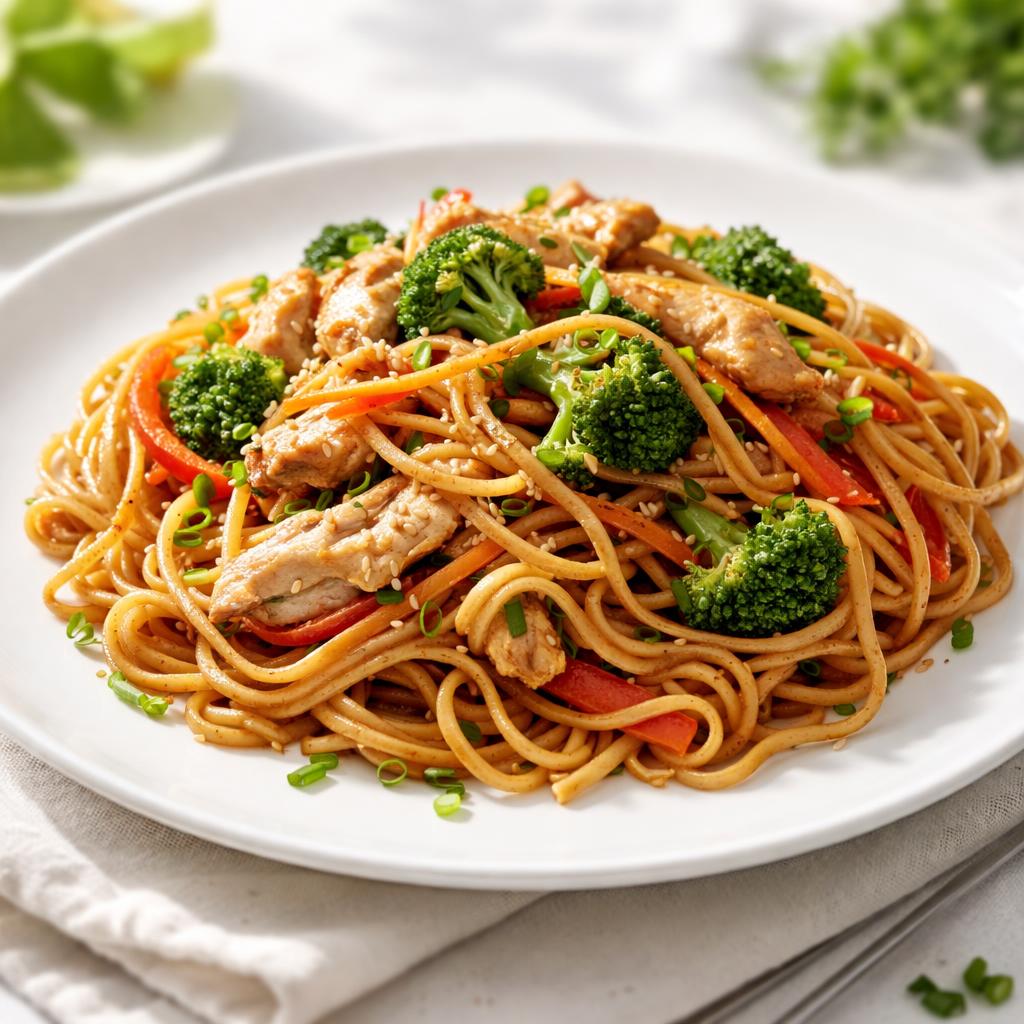
Noodles
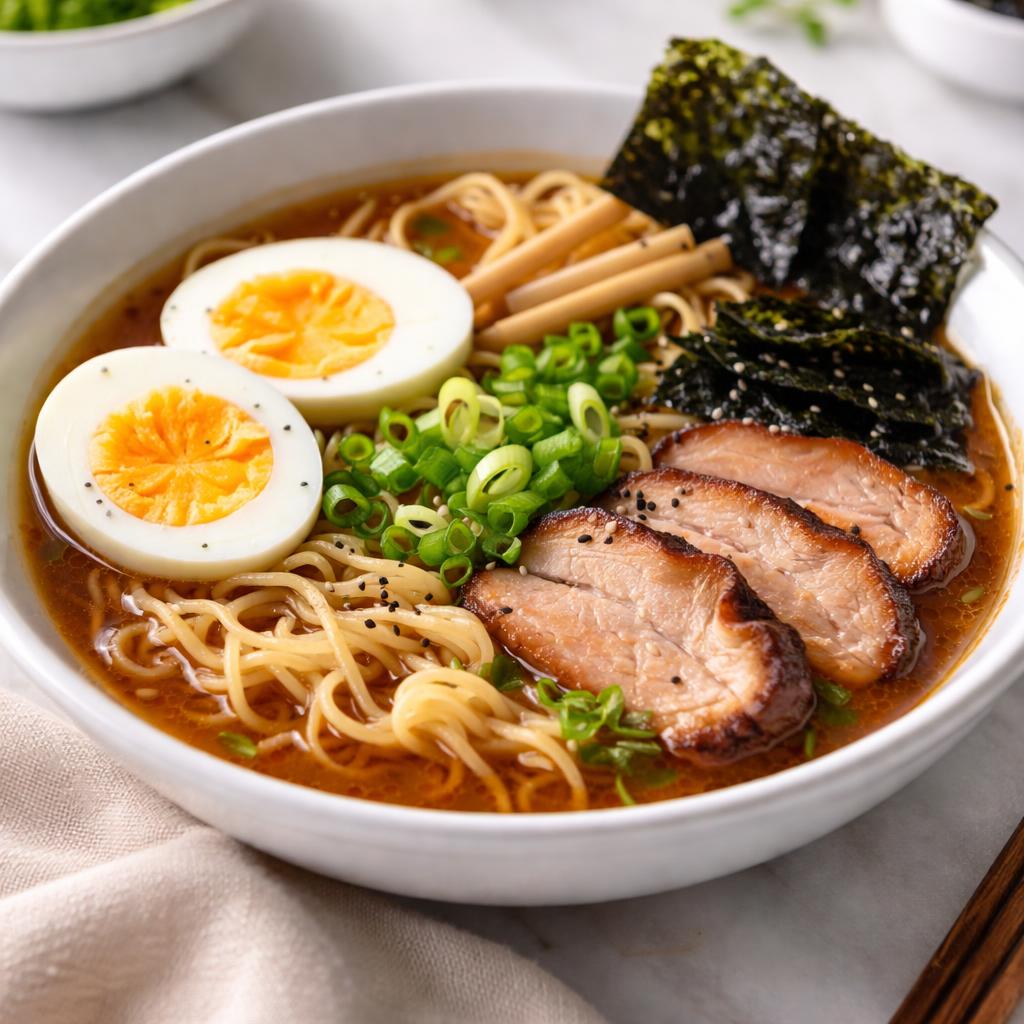
Ramen Noodles
🎯 Quick Verdict
Food 1 (plain noodles) and Food 2 (ramen noodles) offer different advantages. Plain noodles are higher in protein and free from added sodium or flavoring, while ramen noodles provide convenient seasoning options but contain more sodium and fat. Plain noodles are a better general choice for balanced diets, whereas ramen noodles may suit occasional indulgence or quick meals.

Smart Nutrition Tracking with SnapCalorie

📊 Nutritional Comparison
Macronutrients
| Nutrient | Food 1 | Food 2 | Winner |
|---|---|---|---|
| Calories | 200 | 200 | − |
| Protein | 7g | 5g | ✓ |
| Carbs | 42g | 43g | ✓ |
| Fat | 1g | 8g | ✓ |
| Fiber | 2g | 2g | − |
Vitamins & Minerals
| Nutrient | Food 1 | Food 2 | Winner |
|---|---|---|---|
| Vitamin D | 0mcg | 0mcg | − |
| Calcium | 15mg | 20mg | ✓ |
| Iron | 1mg | 1.6mg | ✓ |
🏆 Category Winners
Protein
Food1 has 40% more protein than food2 per serving.
Fiber
Both foods provide equal amounts of fiber (2g per serving).
Calories
Both foods contain 200 calories per serving.
Vitamins
Food2 contains more calcium and iron, which support bone health and oxygen transport, respectively.
🥗 Diet Compatibility
Keto
Food 1: Not Compatible
Food 2: Not Compatible
Both are high-carb and not suitable for keto diets.
Vegan
Food 1: Compatible
Food 2: Compatible
Both foods are plant-based and safe for vegans.
Gluten Free
Food 1: Not Compatible
Food 2: Not Compatible
Both foods are made from wheat and contain gluten.
Paleo
Food 1: Not Compatible
Food 2: Not Compatible
Neither food fits the paleo guidelines due to their grain-based composition.
Low Carb
Food 1: Not Compatible
Food 2: Not Compatible
Both foods are high in carbohydrates and unsuitable for low-carb diets.
💪 Health Benefits Comparison
Food 1 Benefits
- Higher protein content supports muscle repair.
- Low-fat, making it ideal for heart health.
- Provides a neutral, adaptable base for diverse recipes.
Food 2 Benefits
- Convenience from included seasoning options.
- Contains iron, which aids in oxygen transport.
- Higher fat content can contribute to satiety for longer.
✅ The Bottom Line
Choose plain noodles (food1) for a healthier, balanced option with higher protein and lower fats. Opt for ramen noodles (food2) when prioritizing convenience and quick meal preparation, but be mindful of its higher sodium and fat content.
Choose Food 1 for: Balanced meals, post-workout protein intake, weight management.
Choose Food 2 for: Quick meals, flavorful options, occasional indulgence.


