Noodles VS Glass Noodles
A detailed nutritional comparison
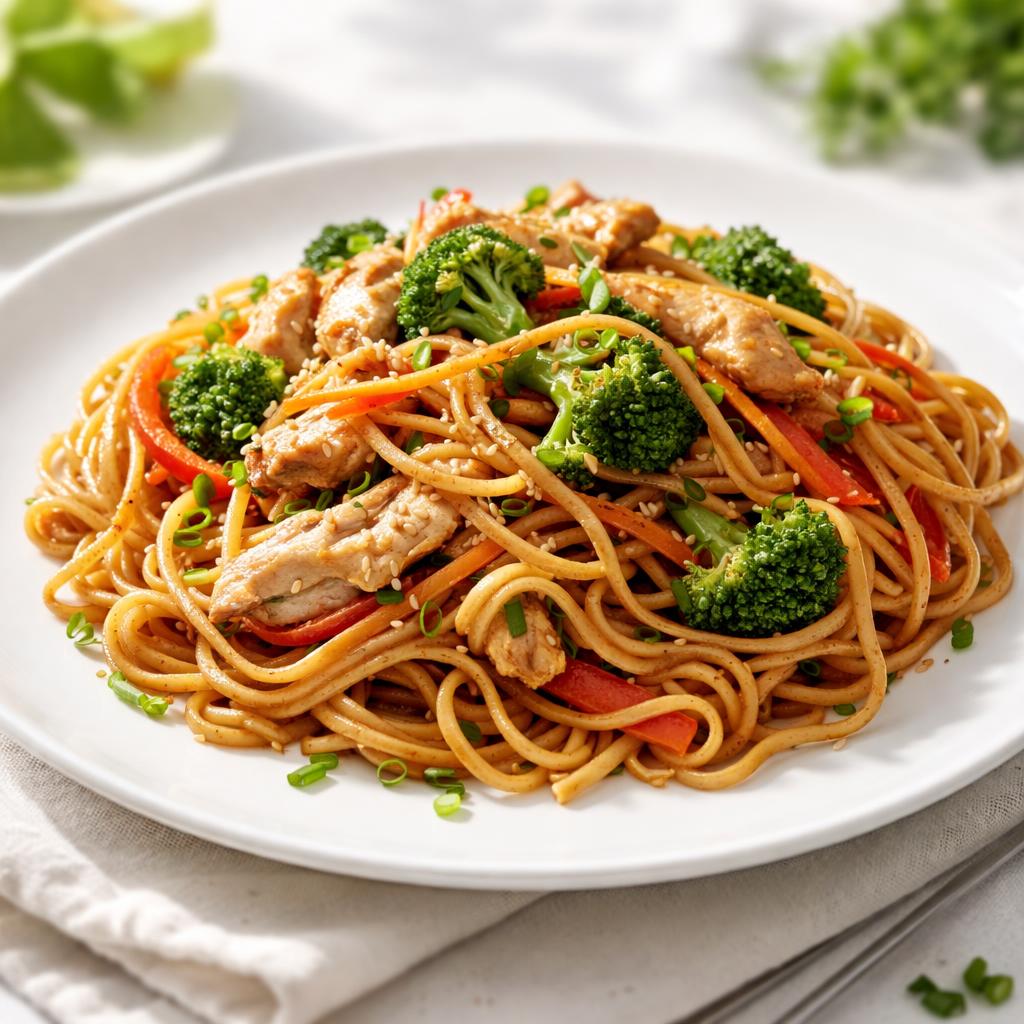
Noodles
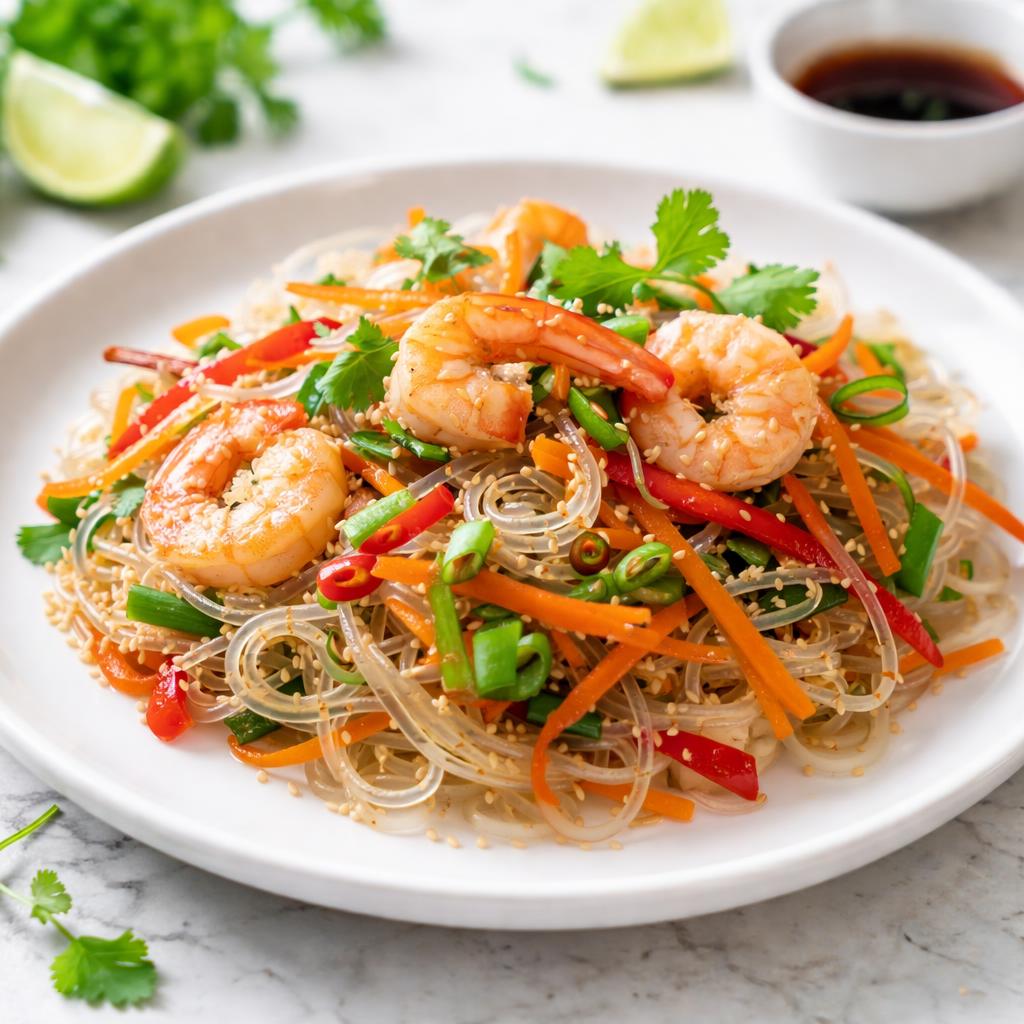
Glass Noodles
🎯 Quick Verdict
Noodles and glass noodles vary in nutritional content, with regular noodles being higher in protein and fiber but also containing more calories and carbs. Glass noodles are lower in calories, fat, and gluten-free, making them suitable for lighter meals and gluten-sensitive diets. Use regular noodles for energy-rich meals and glass noodles for low-calorie options.

Smart Nutrition Tracking with SnapCalorie

📊 Nutritional Comparison
Macronutrients
| Nutrient | Food 1 | Food 2 | Winner |
|---|---|---|---|
| Calories | 220 | 160 | ✓ |
| Protein | 7g | 0.8g | ✓ |
| Carbs | 43g | 39g | ✓ |
| Fat | 1.5g | 0g | ✓ |
| Fiber | 2g | 0g | ✓ |
Vitamins & Minerals
| Nutrient | Food 1 | Food 2 | Winner |
|---|---|---|---|
| Vitamin D | 0mcg | 0mcg | − |
| Calcium | 10mg | 5mg | ✓ |
| Iron | 0.5mg | 0mg | ✓ |
🏆 Category Winners
Protein
Food1 has significantly higher protein content, ideal for muscle maintenance.
Fiber
Food1 contains dietary fiber, while food2 has zero fiber.
Calories
Food2 is 27% lower in calories, making it suitable for low-calorie diets.
Vitamins
Food1 has marginally better micronutrient content like calcium and iron.
🥗 Diet Compatibility
Keto
Food 1: Not Compatible
Food 2: Not Compatible
Both are high in carbs and unsuitable for keto diets.
Vegan
Food 1: Compatible
Food 2: Compatible
Both foods are plant-based and meet vegan requirements.
Gluten Free
Food 1: Not Compatible
Food 2: Compatible
Regular noodles contain wheat and gluten; glass noodles are typically made from starches like mung bean or sweet potato and are gluten-free.
Paleo
Food 1: Not Compatible
Food 2: Not Compatible
Both foods are processed and generally excluded from strict paleo diets.
Low-Carb
Food 1: Not Compatible
Food 2: Not Compatible
Both foods are carbohydrate-rich and unsuitable for low-carb diets.
💪 Health Benefits Comparison
Food 1 Benefits
- Provides energy due to its carb content
- Contains protein for muscle repair and growth
- Offers mild amounts of dietary fiber for digestion
Food 2 Benefits
- Low in calories, useful for weight management
- Gluten-free, suitable for individuals with gluten intolerance or celiac disease
- Virtually no fat, making it ideal for fat-restricted diets
✅ The Bottom Line
Choose regular noodles if you need a hearty, energy-packed and protein-rich meal. Opt for glass noodles as a lighter, gluten-free alternative for weight-conscious or gluten-sensitive diets.
Choose Food 1 for: High-energy meals, post-workout recovery, balanced diets
Choose Food 2 for: Light meals, gluten-free diets, weight management


