Noodles VS Dry Pasta
A detailed nutritional comparison
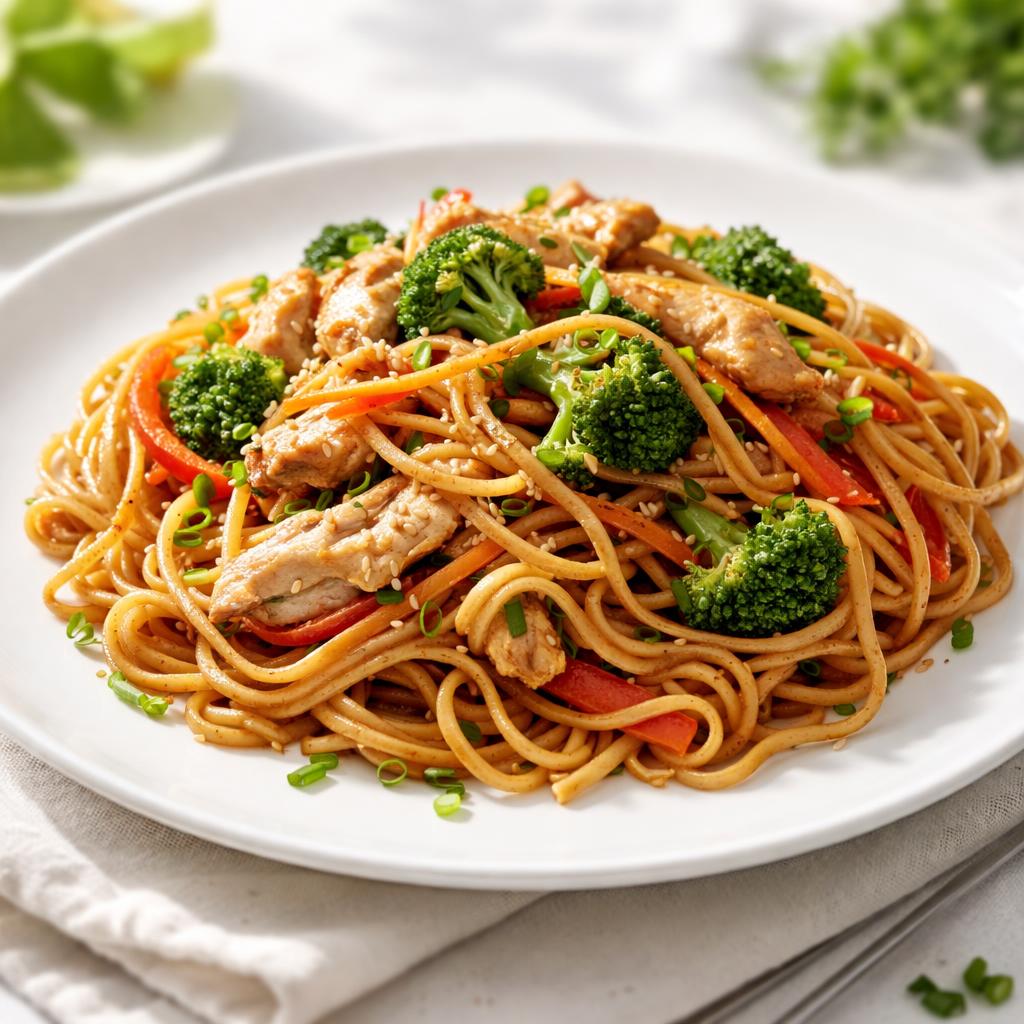
Noodles
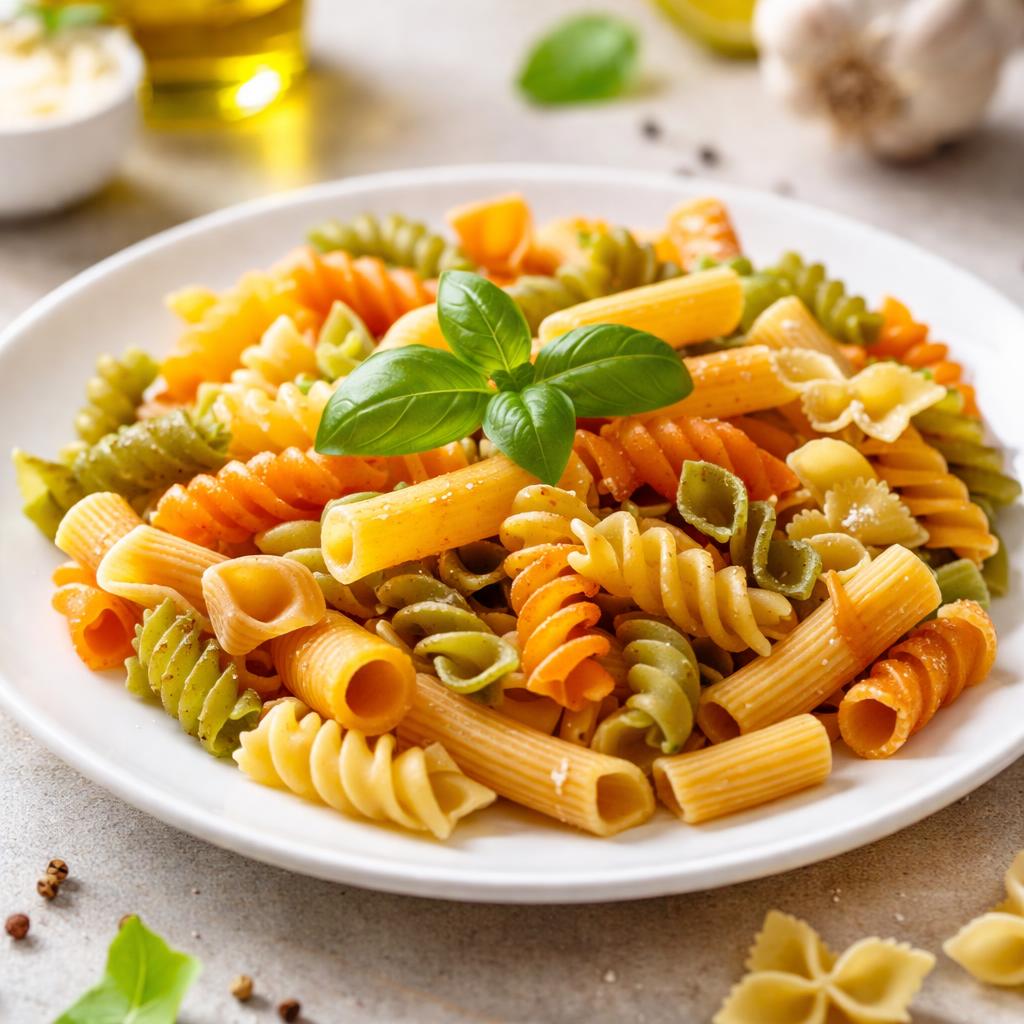
Dry Pasta
🎯 Quick Verdict
Dry pasta is nutritionally denser, with more protein and fiber per serving compared to noodles. Noodles tend to have slightly more carbs and are lower in protein and fiber, making them better for quick energy needs. Dry pasta is more suitable for balanced meals or nutrient-focused diets.

Smart Nutrition Tracking with SnapCalorie

📊 Nutritional Comparison
Macronutrients
| Nutrient | Food 1 | Food 2 | Winner |
|---|---|---|---|
| Calories | 220 (per 100g cooked) | 220 (per 100g cooked) | − |
| Protein | 3.5g | 7g | − |
| Carbs | 40g | 35g | − |
| Fat | 1g | 1.5g | − |
| Fiber | 1g | 3g | − |
Vitamins & Minerals
| Nutrient | Food 1 | Food 2 | Winner |
|---|---|---|---|
| Vitamin B1 (Thiamin) | 0.1mg | 0.5mg | − |
| Iron | 0.4mg | 2mg | − |
| Folate | 30mcg | 50mcg | − |
🏆 Category Winners
Protein
Dry pasta contains double the protein, supporting muscle strength and satiety.
Fiber
Dry pasta offers three times more fiber, aiding digestion.
Calories
Both foods contain equal caloric value per cooked serving.
Vitamins
Dry pasta is fortified with higher levels of micronutrients like iron and folate.
🥗 Diet Compatibility
Keto
Food 1: Not Compatible
Food 2: Not Compatible
Both are high-carb and unsuitable for ketogenic diets.
Vegan
Food 1: Compatible
Food 2: Compatible
Both are plant-based when plain.
Gluten Free
Food 1: Not Compatible
Food 2: Not Compatible
Both typically contain wheat unless made with gluten-free flour.
Paleo
Food 1: Not Compatible
Food 2: Not Compatible
Both are processed and not paleo-friendly.
Low-Carb
Food 1: Not Compatible
Food 2: Not Compatible
Neither are considered low-carb options.
💪 Health Benefits Comparison
Food 1 Benefits
- Quick source of energy due to higher carbohydrate content
- Low fat, suitable for light meals
- Easy to digest, ideal for sensitive stomachs
Food 2 Benefits
- Higher protein content supports muscle health
- Good source of fiber, aiding digestive health
- Fortified with essential vitamins like iron and folate for better nutrient density
✅ The Bottom Line
Choose noodles for quick meals or when prioritizing energy over nutrients. Dry pasta is better for balanced diets where protein, fiber, and micronutrient content matter. Both are versatile but serve different dietary purposes.
Choose Food 1 for: Quick meals, carb-replenishment, light digestion
Choose Food 2 for: Balanced dietary needs, higher protein-based meals, nutrient density


