Noodles VS Breadstick
A detailed nutritional comparison
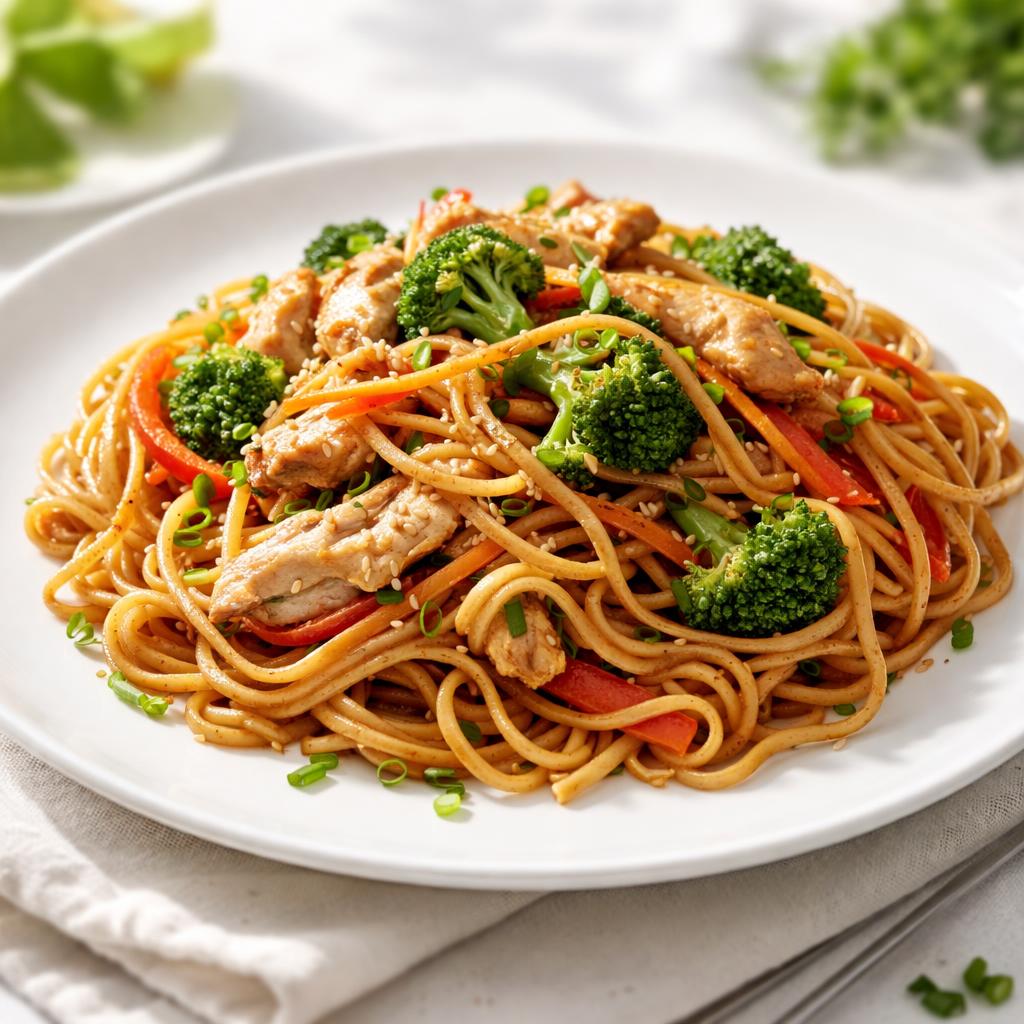
Noodles
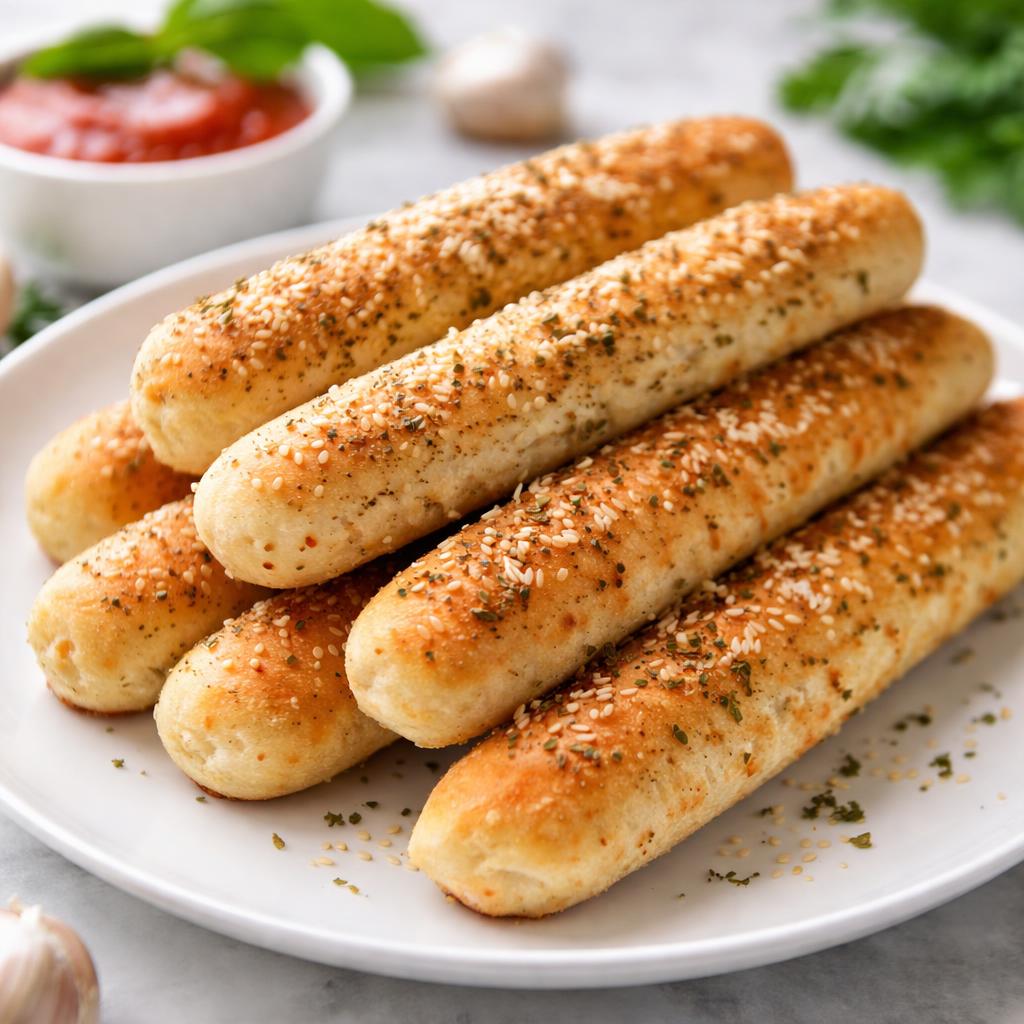
Breadstick
🎯 Quick Verdict
Noodles and breadsticks offer different nutritional benefits. Noodles are lower in calories and better for low-fat diets, while breadsticks provide more protein and fiber per serving, making them better for satiety. Both are versatile but vary significantly in their macro profiles and dietary compatibility.

Smart Nutrition Tracking with SnapCalorie

📊 Nutritional Comparison
Macronutrients
| Nutrient | Food 1 | Food 2 | Winner |
|---|---|---|---|
| Calories | 220 per cup (plain) | 300 per 2 medium breadsticks | ✓ |
| Protein | 7g | 9g | ✓ |
| Carbs | 40g | 55g | ✓ |
| Fat | 1g | 10g | ✓ |
| Fiber | 2g | 3g | ✓ |
Vitamins & Minerals
| Nutrient | Food 1 | Food 2 | Winner |
|---|---|---|---|
| Vitamin D | 0mcg | 0mcg | − |
| Calcium | 10mg | 20mg | ✓ |
| Iron | 1.6mg | 2.3mg | ✓ |
| Potassium | 25mg | 50mg | ✓ |
🏆 Category Winners
Protein
Breadsticks contain approximately 28% more protein than noodles per serving.
Fiber
Breadsticks provide 50% more fiber, aiding in digestion and satiety.
Calories
Noodles are 27% lower in calories per serving compared to breadsticks.
Vitamins
Breadsticks contain more calcium, iron, and potassium, making them slightly more nutrient-dense.
🥗 Diet Compatibility
Keto
Food 1: Not Compatible
Food 2: Not Compatible
Both are high-carb, which does not align with keto diets.
Vegan
Food 1: Compatible
Food 2: Compatible
Both foods typically do not contain animal products in their plain form.
Gluten Free
Food 1: Not Compatible
Food 2: Not Compatible
Both are made from wheat flour and are not gluten-free.
Paleo
Food 1: Not Compatible
Food 2: Not Compatible
Neither food fits paleo guidelines due to reliance on processed grains.
Low Carb
Food 1: Not Compatible
Food 2: Not Compatible
Both are high in carbohydrates and unsuitable for low-carb diets.
💪 Health Benefits Comparison
Food 1 Benefits
- Low in fat, suitable for low-fat diets
- Lower calorie option for weight management
- Quick and easy source of carbohydrates for energy
Food 2 Benefits
- Higher in protein for muscle recovery
- Provides dietary fiber for gut health
- Contains minerals like calcium and iron, supporting bone and blood health
✅ The Bottom Line
Choose noodles for lower calorie meals, quick energy, and low-fat diets. Opt for breadsticks if you need more protein, fiber, and a denser nutritional profile. Both items complement a balanced diet depending on your goals.
Choose Food 1 for: Weight management, low-fat diets, pasta dishes
Choose Food 2 for: Protein boost, fiber-rich meals, side at gatherings


