Milk VS Watermelon
A detailed nutritional comparison
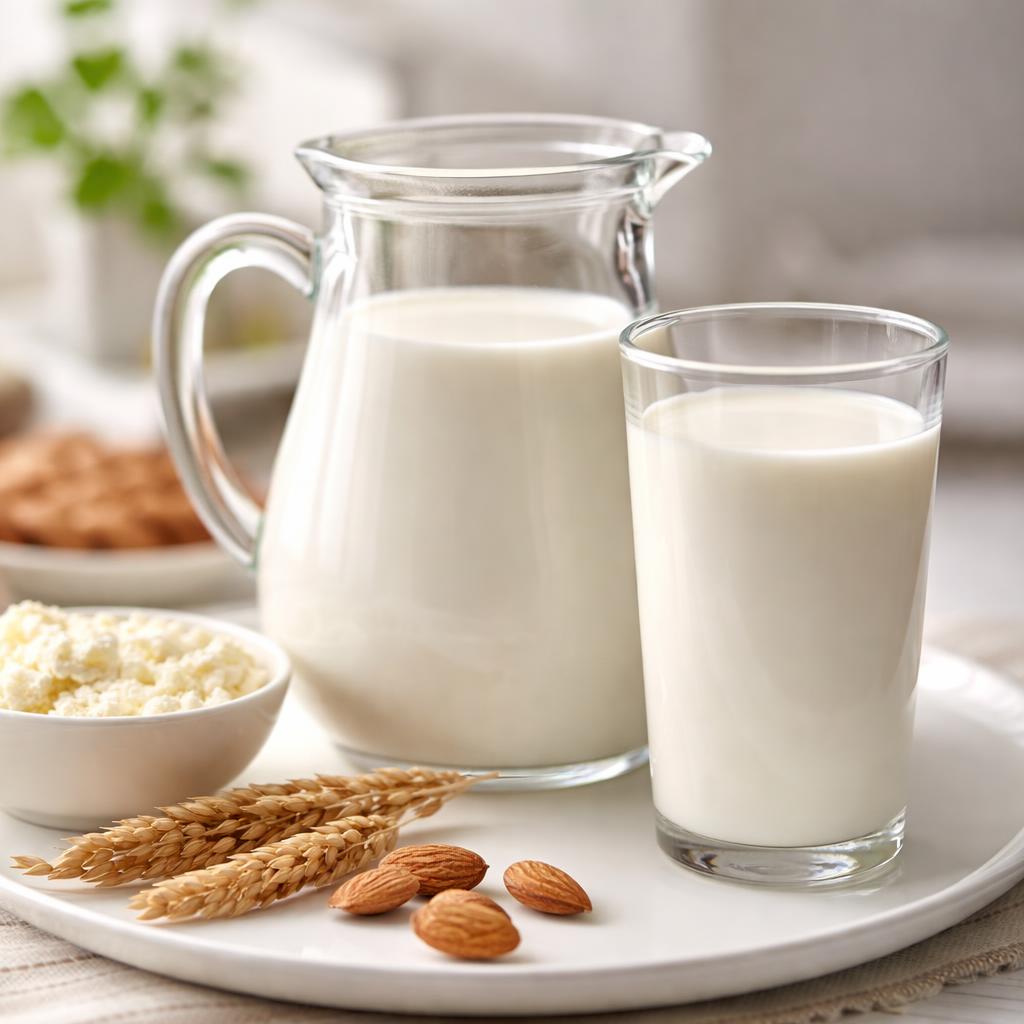
Milk
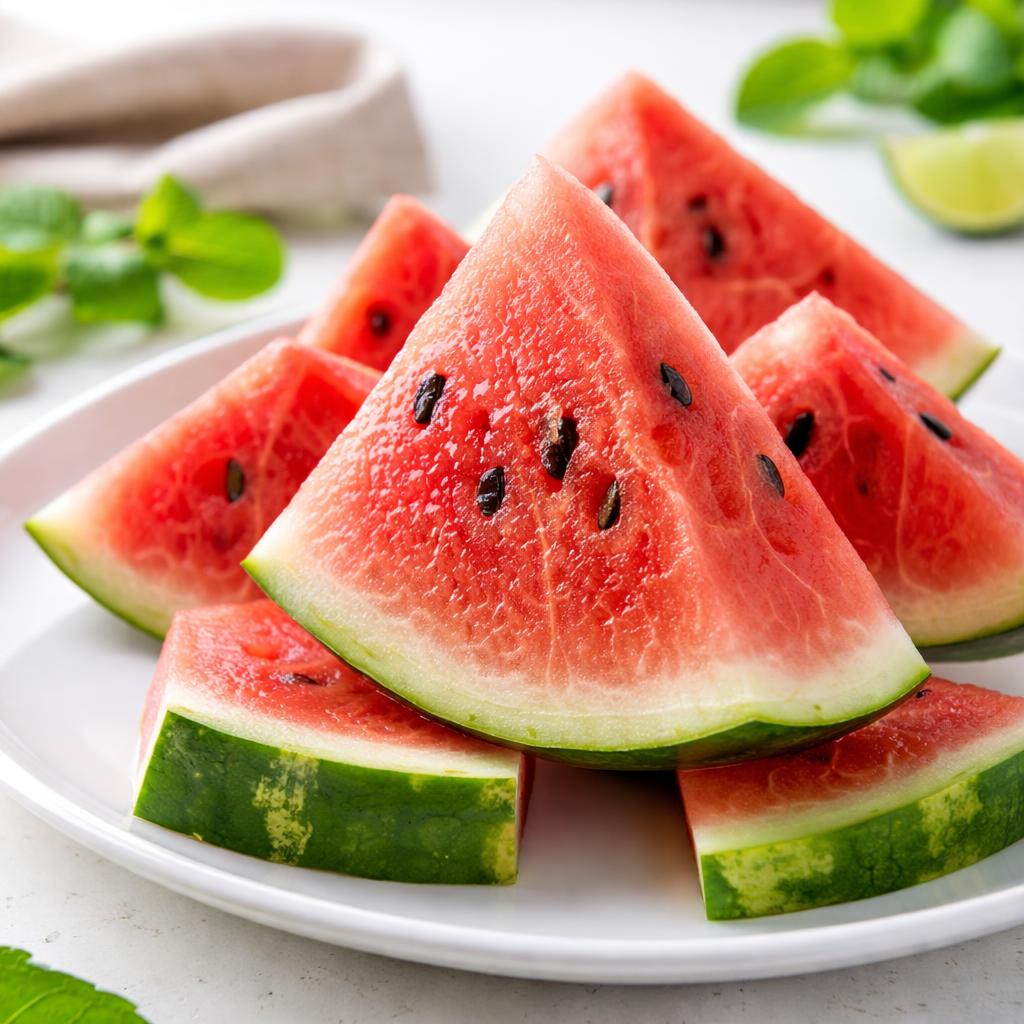
Watermelon
🎯 Quick Verdict
Milk is higher in protein and calcium, making it ideal for muscle recovery and bone health. Watermelon is lower in calories, richer in fiber, and hydrating, suitable for a refreshing snack or electrolyte replenishment. Both have distinct strengths depending on dietary priorities.

Smart Nutrition Tracking with SnapCalorie

📊 Nutritional Comparison
Macronutrients
| Nutrient | Food 1 | Food 2 | Winner |
|---|---|---|---|
| Calories | 103 (1 cup, 240ml) | 46 (1 cup, 152g) | ✓ |
| Protein | 8g | 0.9g | − |
| Carbs | 12g | 11g | − |
| Fat | 2.4g | 0.2g | − |
| Fiber | 0g | 0.6g | − |
Vitamins & Minerals
| Nutrient | Food 1 | Food 2 | Winner |
|---|---|---|---|
| Vitamin C | 0mg | 12.5mg | − |
| Vitamin D | 2.5mcg | 0mcg | − |
| Calcium | 300mg | 11mg | − |
| Potassium | 366mg | 170mg | − |
| Magnesium | 24mg | 15mg | − |
🏆 Category Winners
Protein
Milk contains 8g of protein per cup, significantly higher than watermelon.
Fiber
Watermelon contains 0.6g of fiber per cup, while milk has no fiber.
Calories
Watermelon has only 46 calories per cup, less than half of milk's 103 calories.
Vitamins
Both have distinct vitamin profiles. Milk is higher in calcium and vitamin D, while watermelon excels in vitamin C and hydration.
🥗 Diet Compatibility
Keto
Food 1: Not Compatible
Food 2: Not Compatible
Both milk and watermelon are relatively high in carbs, exceeding typical keto thresholds.
Vegan
Food 1: Not Compatible
Food 2: Compatible
Milk is an animal product, whereas watermelon is plant-based.
Gluten Free
Food 1: Compatible
Food 2: Compatible
Neither food contains gluten.
Paleo
Food 1: Not Compatible
Food 2: Compatible
Milk is excluded in paleo diets, but watermelon is paleo-friendly.
Low Carb
Food 1: Not Compatible
Food 2: Not Compatible
Both foods have moderate carbohydrate content that may not align with low-carb diets.
💪 Health Benefits Comparison
Food 1 Benefits
- Rich in protein for muscle growth and repair
- High calcium content supports bone health
- Contains vitamin D for immune system and calcium absorption
Food 2 Benefits
- Low-calorie and hydrating, aids in weight management
- Rich in vitamin C for immune health and skin nourishment
- Contains compounds like lycopene for antioxidant benefits
✅ The Bottom Line
Milk is ideal for those seeking higher protein intake, calcium, and vitamin D, especially for post-workout recovery and bone health. Watermelon is refreshing, hydrating, and low-calorie, perfect for a light snack or summer hydration. Choose based on your specific dietary needs.
Choose Food 1 for: Muscle recovery, bone health, high-protein diets
Choose Food 2 for: Hydration, weight management, antioxidant support


