Milk VS Walnut
A detailed nutritional comparison
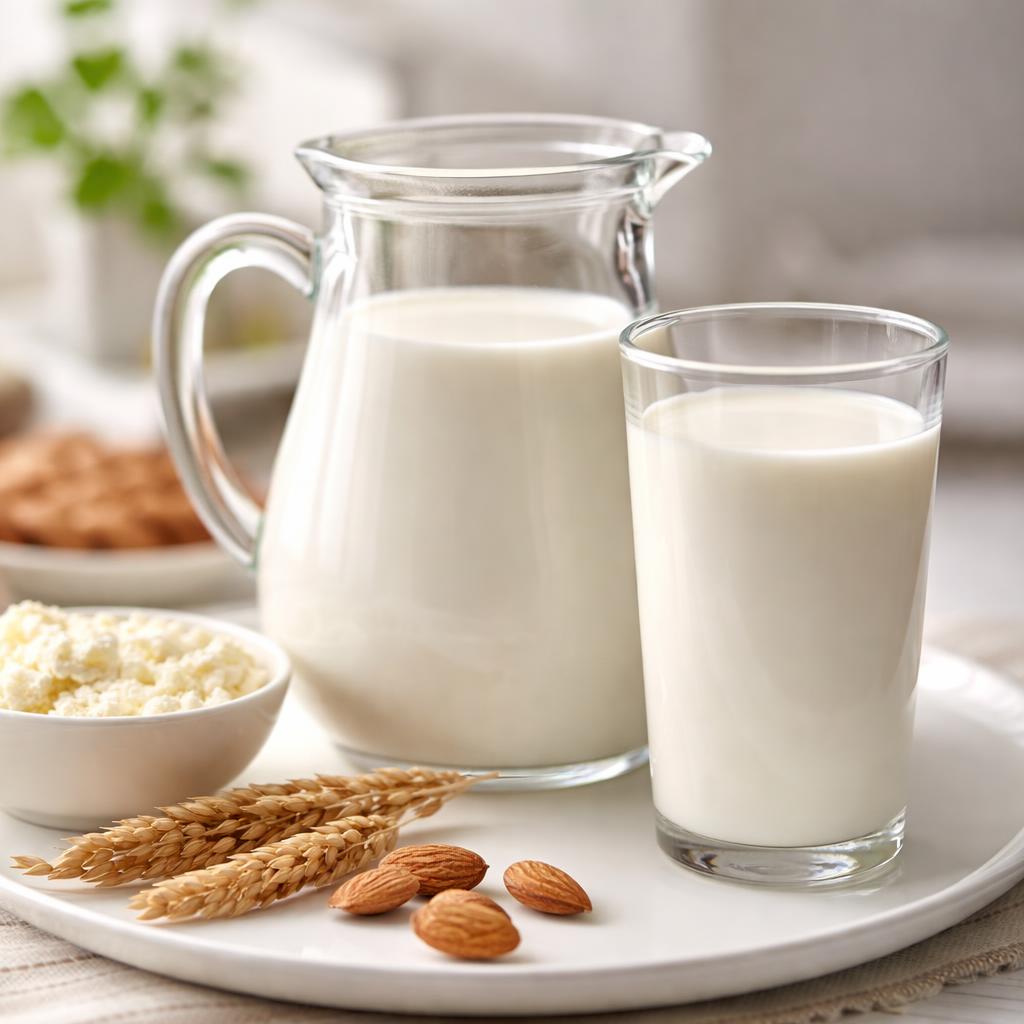
Milk
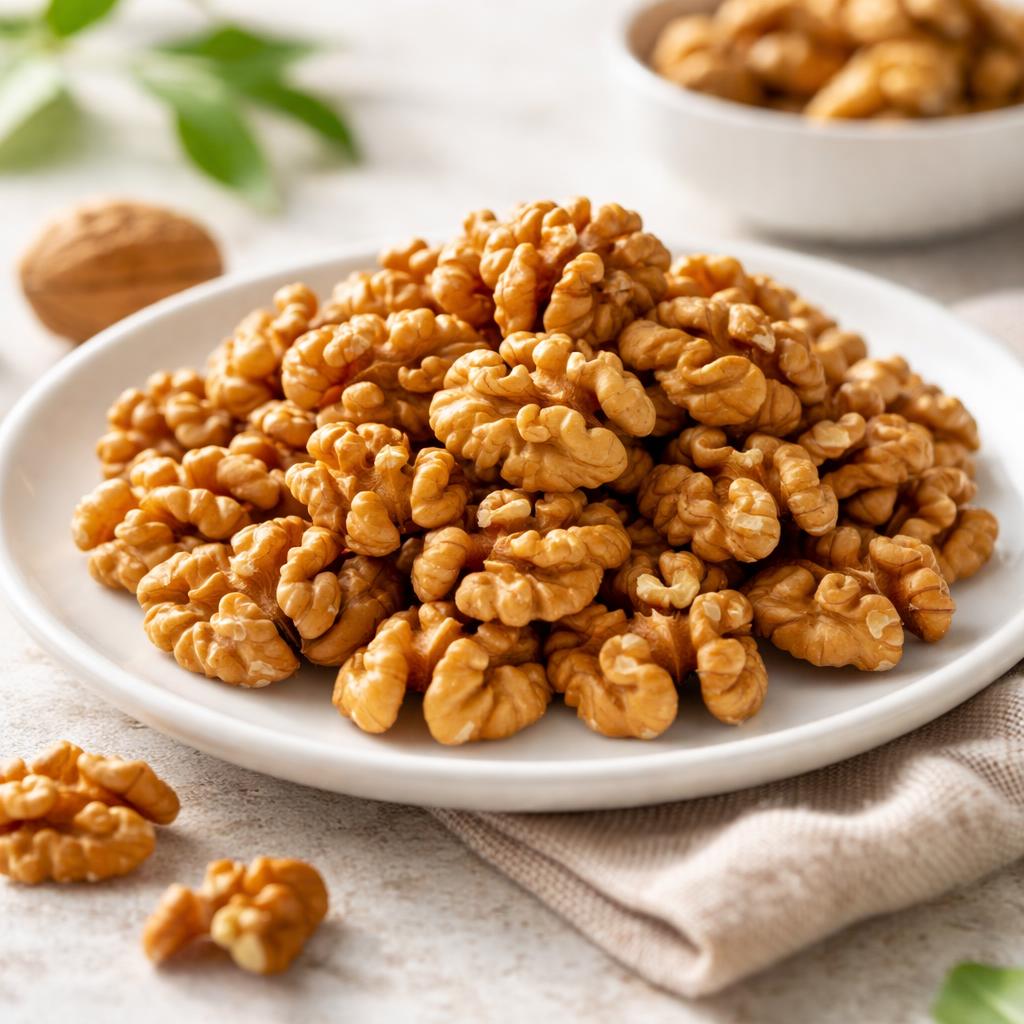
Walnut
🎯 Quick Verdict
Milk is lower in calories and contains more protein, making it a great option for muscle maintenance and weight management. In contrast, walnuts are high in healthy fats and fiber, providing energy and supporting heart health. Milk is ideal as a post-workout drink, while walnuts are perfect as a filling snack or ingredient in nutrient-dense meals.

Smart Nutrition Tracking with SnapCalorie

📊 Nutritional Comparison
Macronutrients
| Nutrient | Food 1 | Food 2 | Winner |
|---|---|---|---|
| Calories | 103 per cup | 185 per 1 oz | − |
| Protein | 8g per cup | 4g per 1 oz | − |
| Carbs | 12g per cup | 4g per 1 oz | − |
| Fat | 2.4g per cup | 18g per 1 oz | − |
| Fiber | 0g per cup | 2g per 1 oz | − |
Vitamins & Minerals
| Nutrient | Food 1 | Food 2 | Winner |
|---|---|---|---|
| Vitamin D | 2mcg | 0mcg | − |
| Calcium | 300mg | 10mg | − |
| Iron | 0mg | 0.8mg | − |
| Vitamin E | 0mg | 0.7mg | − |
🏆 Category Winners
Protein
Milk delivers double the protein content compared to walnuts.
Fiber
Walnuts provide 2g of fiber per serving, while milk contains none.
Calories
Milk has almost half the calories per serving compared to walnuts.
Vitamins
Milk is rich in calcium and vitamin D, crucial for bone health, while walnuts primarily provide iron and vitamin E.
🥗 Diet Compatibility
Keto
Food 1: Not Compatible
Food 2: Compatible
Milk contains 12g carbs per cup; walnuts are low-carb and high-fat.
Vegan
Food 1: Not Compatible
Food 2: Compatible
Milk is animal-derived, while walnuts are plant-based.
Gluten Free
Food 1: Compatible
Food 2: Compatible
Neither milk nor walnuts contain gluten.
Paleo
Food 1: Not Compatible
Food 2: Compatible
Walnuts align with paleo principles, while milk does not.
Low-Carb
Food 1: Not Compatible
Food 2: Compatible
Milk is relatively high in carbs at 12g per cup compared to 4g per oz for walnuts.
💪 Health Benefits Comparison
Food 1 Benefits
- Rich in calcium, promoting strong bones and teeth
- Contains vitamin D for better calcium absorption and immune health
- Good source of high-quality protein for muscle growth and repair
Food 2 Benefits
- High in healthy omega-3 fats, supporting heart and brain health
- Provides antioxidants such as vitamin E for cell protection
- Rich in fiber, aiding digestion and promoting satiety
✅ The Bottom Line
Milk and walnuts cater to different dietary needs. Milk is ideal for those focusing on muscle maintenance, calcium intake, and low-calorie diets, while walnuts excel as a high-energy, nutrient-dense snack, especially for heart health and sustained energy. Choose milk for post-workout recovery or bone health; choose walnuts for healthy snacking or adding healthy fats to meals.
Choose Food 1 for: Weight loss, muscle maintenance, bone health
Choose Food 2 for: Heart health, energy boost, nutrient-dense snacking


