Milk VS Turkey Bacon
A detailed nutritional comparison
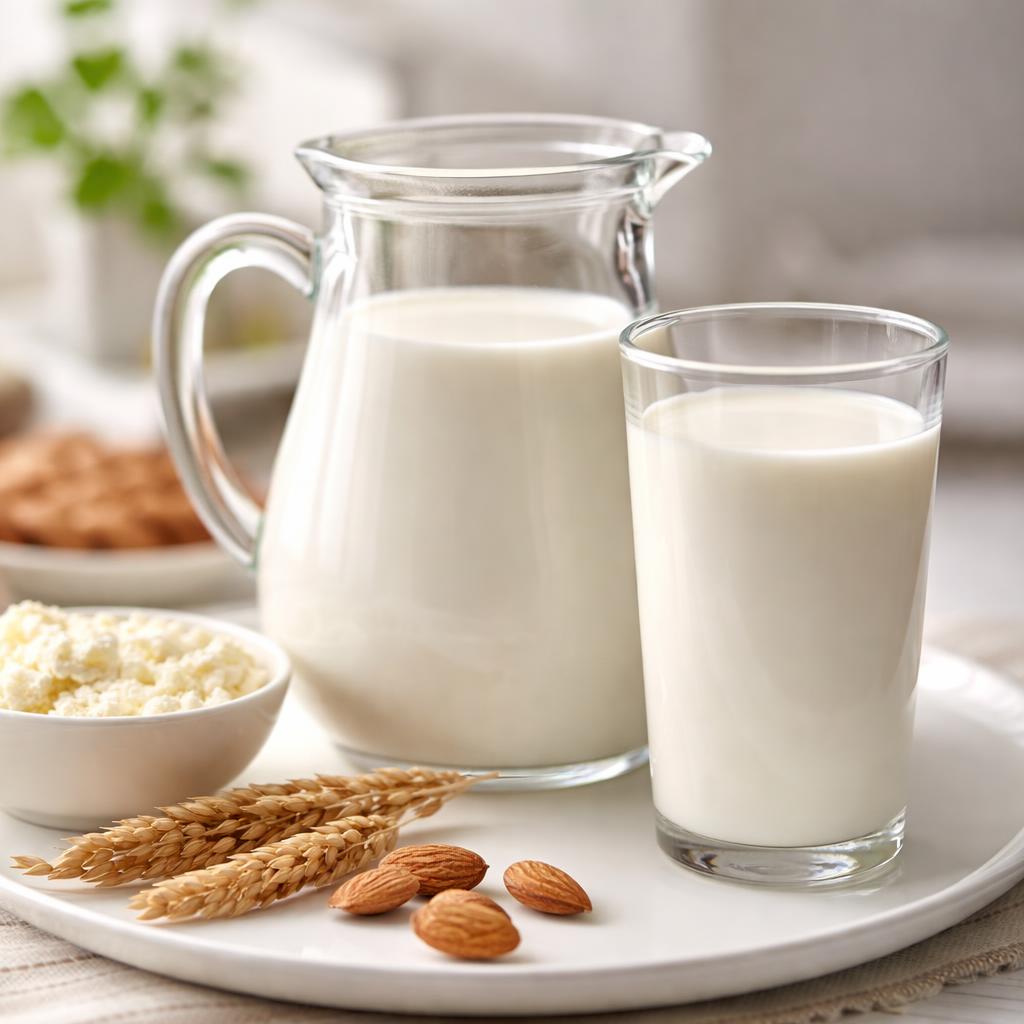
Milk
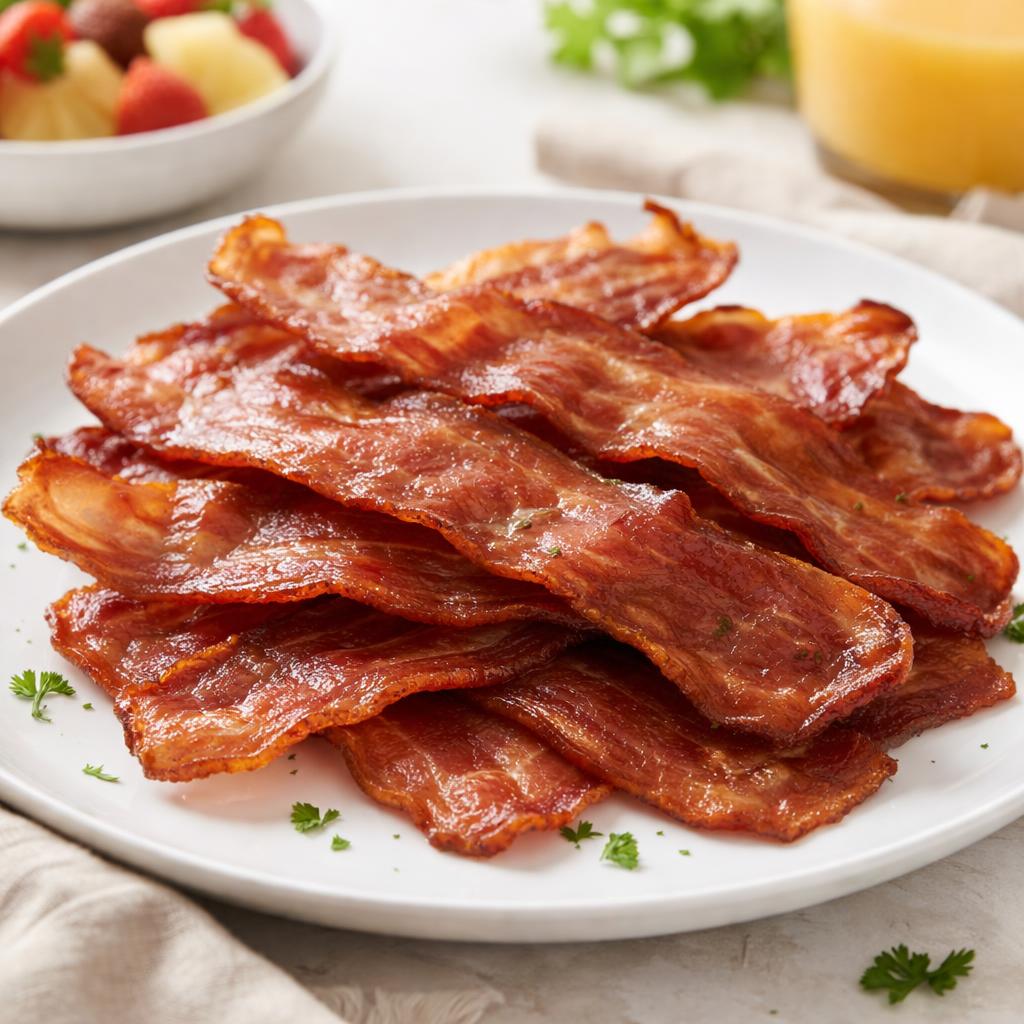
Turkey Bacon
🎯 Quick Verdict
Milk is a nutrient-dense liquid that provides essential vitamins and minerals like calcium and vitamin D, while turkey bacon is a high-protein, lower-fat alternative to traditional pork bacon. Milk is ideal for overall nutrition and bone health, whereas turkey bacon excels in protein content, making it suitable for high-protein diets or keto plans.

Smart Nutrition Tracking with SnapCalorie

📊 Nutritional Comparison
Macronutrients
| Nutrient | Food 1 | Food 2 | Winner |
|---|---|---|---|
| Calories | 103 kcal per cup (240ml) | 60 kcal per slice (14g) | ✓ |
| Protein | 8g per cup | 6g per slice | ✓ |
| Carbs | 12g per cup | 0g per slice | ✓ |
| Fat | 2.4g per cup | 4.5g per slice | ✓ |
| Fiber | 0g per cup | 0g per slice | − |
Vitamins & Minerals
| Nutrient | Food 1 | Food 2 | Winner |
|---|---|---|---|
| Vitamin D | 2.4mcg (10% DV) per cup | 0mcg per slice | ✓ |
| Calcium | 305mg (23% DV) per cup | 0mg per slice | ✓ |
| Iron | 0mg per cup | 0.2mg per slice (1% DV) | ✓ |
| Potassium | 366mg per cup | 220mg per slice | ✓ |
🏆 Category Winners
Protein
Turkey bacon has higher protein per gram compared to milk.
Fiber
Neither milk nor turkey bacon contains dietary fiber.
Calories
Turkey bacon is lower in calories per serving than milk.
Vitamins
Milk is superior in vitamins like Vitamin D and calcium essential for bone health.
🥗 Diet Compatibility
Keto
Food 1: Compatible but limited
Food 2: Compatible
Turkey bacon is very low in carbs, whereas milk contains 12g carbs.
Vegan
Food 1: Not Compatible
Food 2: Not Compatible
Both are animal-derived products.
Gluten Free
Food 1: Compatible
Food 2: Compatible
Neither contains gluten.
Paleo
Food 1: Not Compatible
Food 2: Compatible
Milk is not considered paleo, whereas turkey bacon fits paleo criteria.
Low-Carb
Food 1: Not Compatible
Food 2: Compatible
Turkey bacon has 0g carbs while milk contains 12g carbs per cup.
💪 Health Benefits Comparison
Food 1 Benefits
- Rich in calcium for strong bones and teeth
- Contains Vitamin D, supporting immune health and bone development
- Provides high-quality protein
- Good source of potassium for nerve function and muscle contractions
Food 2 Benefits
- High in protein, ideal for muscle repair and growth
- Lower-fat alternative compared to traditional bacon
- Low-carb, suitable for ketogenic or low-carb diets
- Provides some iron for oxygen transport in the blood
✅ The Bottom Line
Milk and turkey bacon serve very different roles in a diet. Milk is ideal for vitamin and mineral content, especially calcium and Vitamin D, making it great for overall health. Turkey bacon is perfect for those focused on high-protein or low-carb diets like keto. Choose milk for nutrition and bone health, and turkey bacon for protein supplementation or diet restrictions.
Choose Food 1 for: Bone health, overall nutrition, balanced diets
Choose Food 2 for: Low-carb or keto diets, protein requirements, reducing fat intake compared to pork bacon


