Milk VS Sweet Potatoes
A detailed nutritional comparison
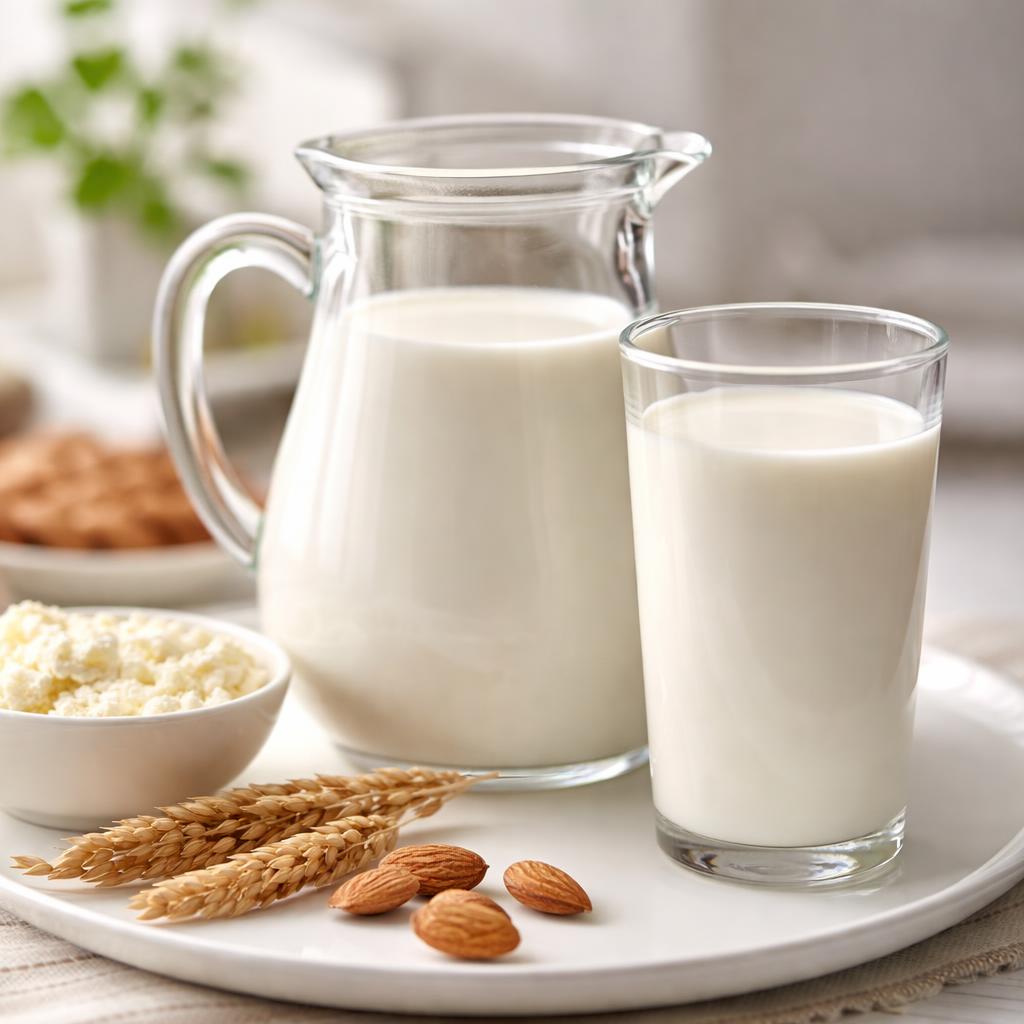
Milk
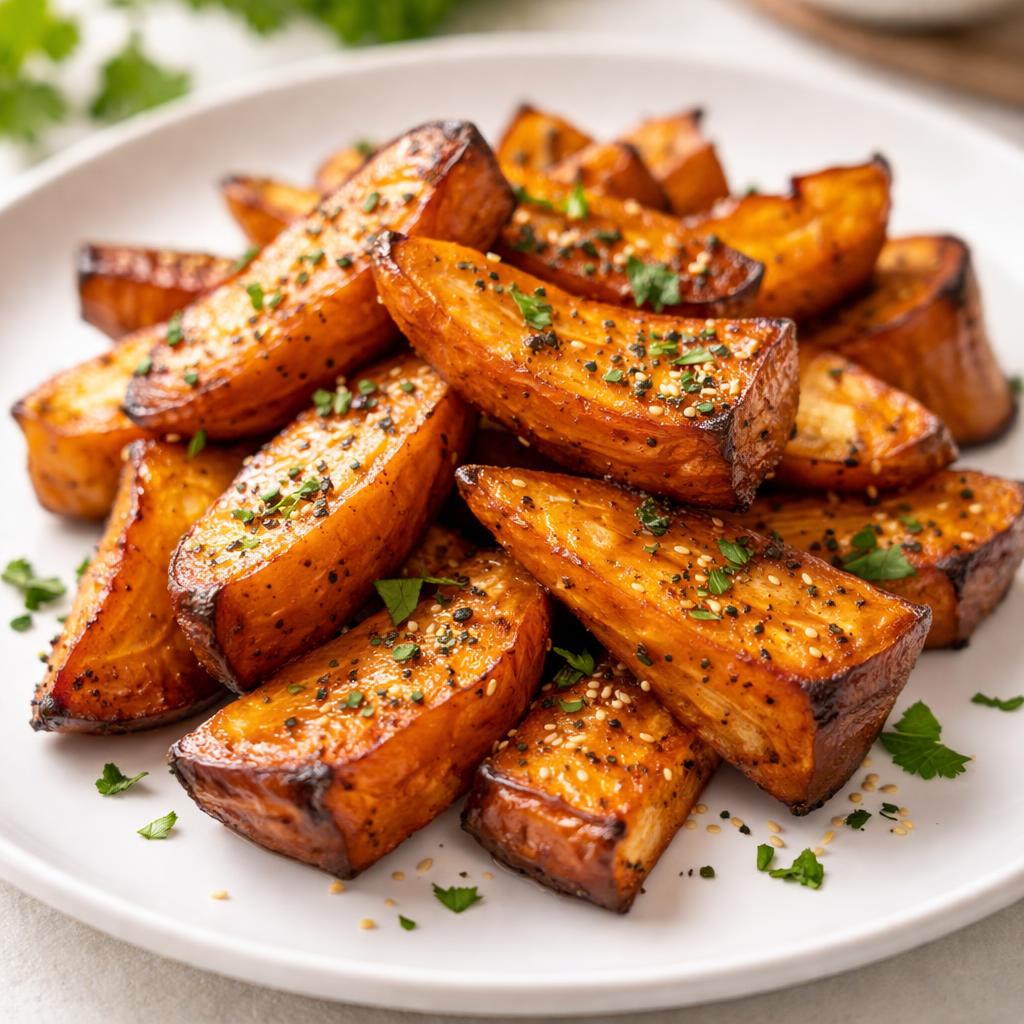
Sweet Potatoes
🎯 Quick Verdict
Milk is higher in protein and lower in calories, making it a great choice for muscle recovery and weight management. On the other hand, sweet potatoes are rich in fiber and provide essential vitamins like Vitamin A, making them ideal for gut health and overall nutrition. Both foods have distinct benefits based on dietary needs and use cases.

Smart Nutrition Tracking with SnapCalorie

📊 Nutritional Comparison
Macronutrients
| Nutrient | Food 1 | Food 2 | Winner |
|---|---|---|---|
| Calories | 103 per cup | 130 per 100g | − |
| Protein | 8g per cup | 2g per 100g | − |
| Carbs | 12g per cup | 30g per 100g | − |
| Fat | 2.4g per cup | 0.1g per 100g | − |
| Fiber | 0g per cup | 3.1g per 100g | − |
Vitamins & Minerals
| Nutrient | Food 1 | Food 2 | Winner |
|---|---|---|---|
| Vitamin D | 3.2mcg per cup | 0mcg per 100g | − |
| Calcium | 305mg per cup | 30mg per 100g | − |
| Vitamin A | 500IU per cup | 14,187IU per 100g | − |
| Vitamin C | 0.9mg per cup | 2.4mg per 100g | − |
| Iron | 0.1mg per cup | 0.6mg per 100g | − |
🏆 Category Winners
Protein
Milk has 4 times more protein per serving compared to sweet potatoes.
Fiber
Sweet potatoes provide 3.1g of fiber per serving, whereas milk contains no fiber.
Calories
Milk contains fewer calories per serving (103 per cup vs 130 per 100g for sweet potatoes).
Vitamins
Sweet potatoes are extremely rich in Vitamin A and contain higher levels of Vitamin C and iron compared to milk.
🥗 Diet Compatibility
Keto
Food 1: Compatible
Food 2: Not Compatible
Milk is lower in carbs per serving (12g), while sweet potatoes are high in carbs (30g per serving).
Vegan
Food 1: Not Compatible
Food 2: Compatible
Sweet potatoes are plant-based, while milk is an animal product.
Gluten Free
Food 1: Compatible
Food 2: Compatible
Neither food contains gluten.
Paleo
Food 1: Not Compatible
Food 2: Compatible
Sweet potatoes align with paleo guidelines, while milk does not due to its dairy origin.
Low-Carb
Food 1: Compatible
Food 2: Not Compatible
Milk is lower in carbs (12g per cup) compared to sweet potatoes' 30g.
💪 Health Benefits Comparison
Food 1 Benefits
- High in protein for muscle maintenance
- Rich in calcium for bone health
- Provides Vitamin D to support immune and bone health
Food 2 Benefits
- High in fiber for improved digestion
- Rich in Vitamin A for eye health
- Source of complex carbs for long-lasting energy
- Provides antioxidants that support overall healing and health
✅ The Bottom Line
Milk is best for those focusing on protein intake, low-carb diets, or post-workout recovery. Sweet potatoes are the go-to choice for fiber, essential vitamins like A and C, and energy-dense nutrition, especially in plant-based or paleo diets.
Choose Food 1 for: Post-workout recovery, weight management, low-carb diets
Choose Food 2 for: Eye health, gut health, nutrient-dense energy for active lifestyles


