Milk VS Protein Shake
A detailed nutritional comparison
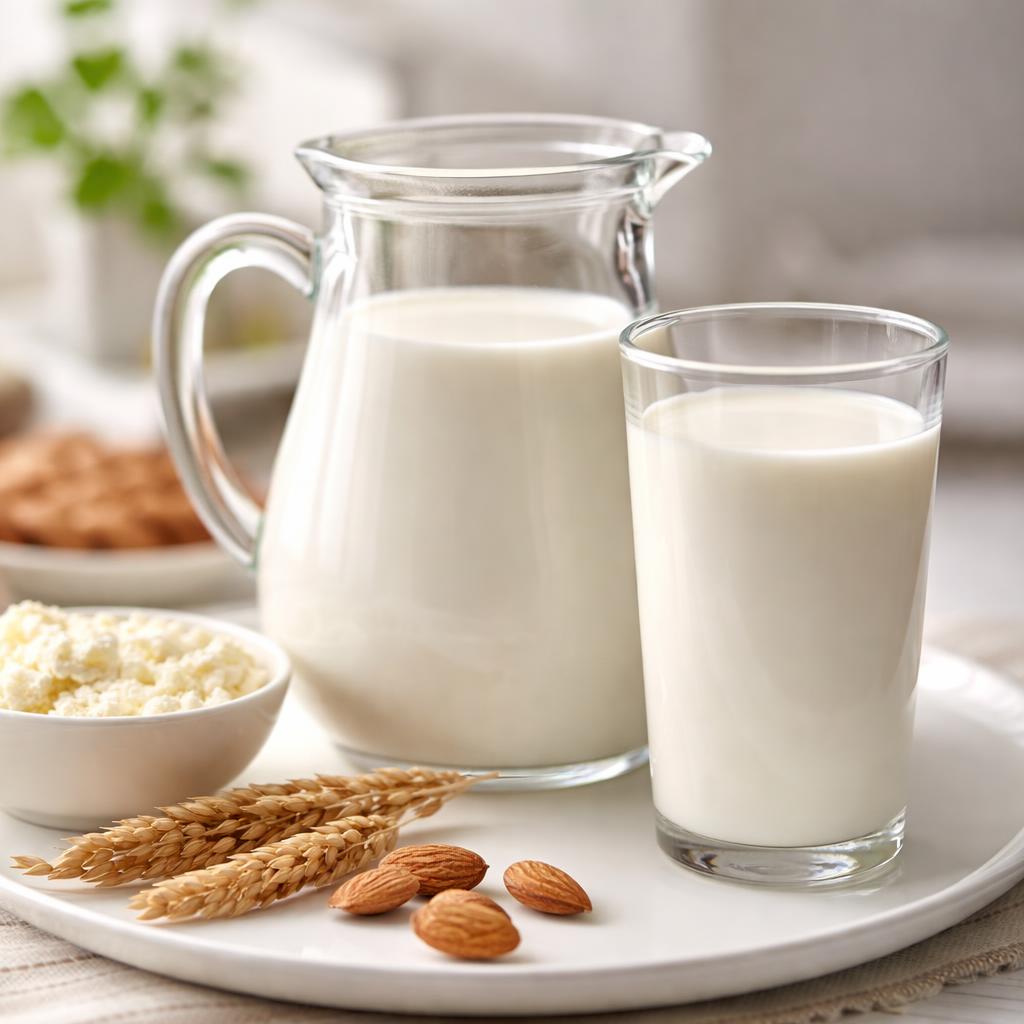
Milk
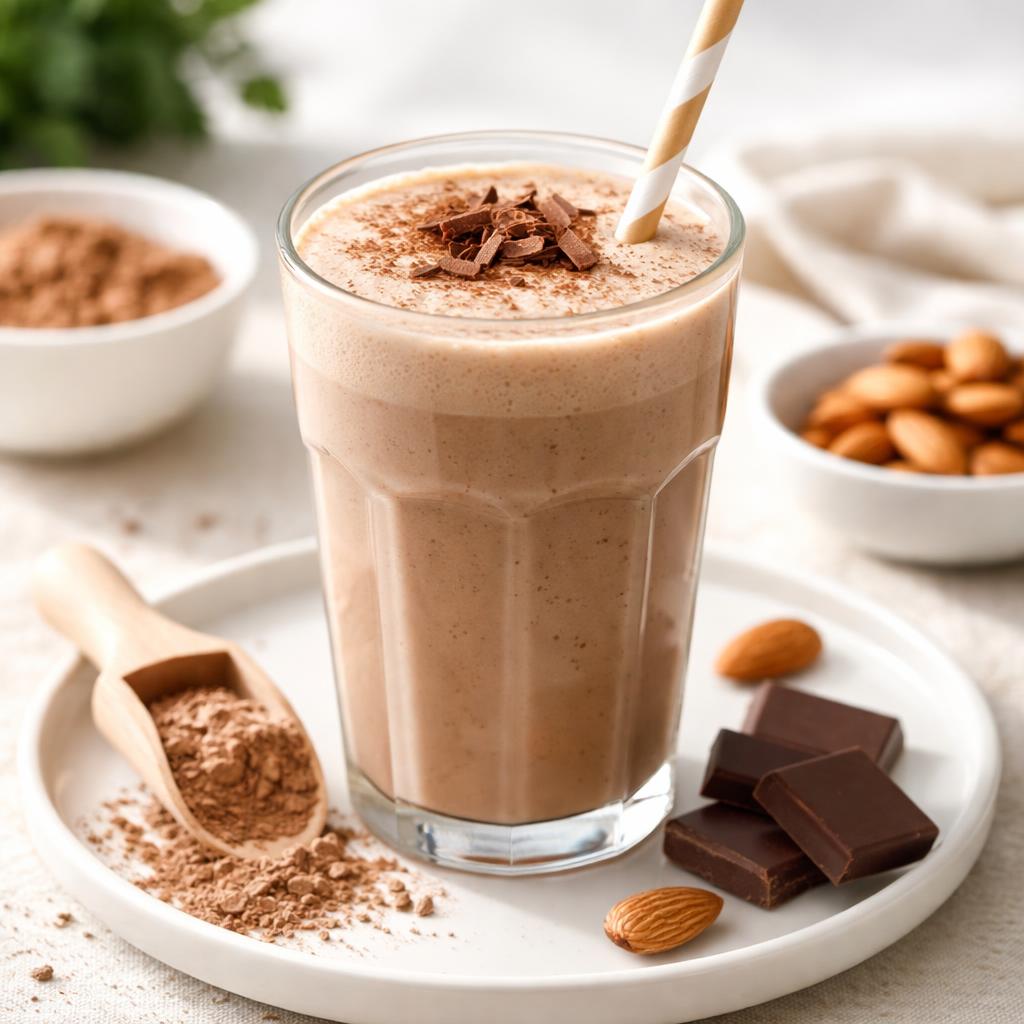
Protein Shake
🎯 Quick Verdict
Protein shakes deliver a significantly higher amount of protein per serving compared to milk, making them ideal for muscle growth and post-workout recovery. Milk, on the other hand, is lower in calories and offers a variety of natural vitamins and minerals, including calcium and vitamin D, making it better for general nutrition and bone health.

Smart Nutrition Tracking with SnapCalorie

📊 Nutritional Comparison
Macronutrients
| Nutrient | Food 1 | Food 2 | Winner |
|---|---|---|---|
| Calories | 150 kcal (1 cup whole milk) | 200 kcal (1 serving of protein shake) | − |
| Protein | 8g | 25g | − |
| Carbs | 12g | 4g | − |
| Fat | 8g | 3g | − |
| Fiber | 0g | 2g | − |
Vitamins & Minerals
| Nutrient | Food 1 | Food 2 | Winner |
|---|---|---|---|
| Calcium | 300mg | 200mg | − |
| Vitamin D | 2mcg | 1mcg | − |
| Iron | 0mg | 2mg | − |
| Vitamin C | 0mg | 10mg | − |
🏆 Category Winners
Protein
Protein shake contains over 3x the protein of milk.
Fiber
Protein shake provides 2g of fiber while milk contains none.
Calories
Milk has fewer calories per serving compared to a typical protein shake.
🥗 Diet Compatibility
Keto
Food 1: Not Compatible
Food 2: Compatible
Protein shake is low-carb, while milk contains 12g carbohydrates.
Vegan
Food 1: Not Compatible
Food 2: Compatible (if plant-based)
Milk is an animal product, while plant-based protein shakes are vegan-friendly.
Gluten Free
Food 1: Compatible
Food 2: Compatible
Neither milk nor standard protein shakes typically contain gluten.
Paleo
Food 1: Not Compatible
Food 2: Compatible (with pure protein blends)
Milk is excluded on paleo diets; some protein shakes may fit if dairy-free and free of additives.
Low-Carb
Food 1: Not Compatible
Food 2: Compatible
Protein shake contains just 4g carbs compared to milk's 12g.
💪 Health Benefits Comparison
Food 1 Benefits
- Rich source of calcium and vitamin D, supporting bone health
- Provides natural energy through carbohydrates
- Contains essential vitamins and minerals for general wellness
Food 2 Benefits
- High protein content for muscle repair and growth
- Low-carb and low-fat, suitable for weight management
- Includes added nutrients like iron and vitamin C for immunity
✅ The Bottom Line
Choose milk if you're focusing on general nutrition and traditional food sources, especially for bone health and energy. Opt for protein shakes when aiming for high protein intake, low carbs, or a convenient post-workout option.
Choose Food 1 for: Bone health, energy needs, general nutrition
Choose Food 2 for: Muscle growth, weight management, low-carb diets


