Milk VS Protein
A detailed nutritional comparison
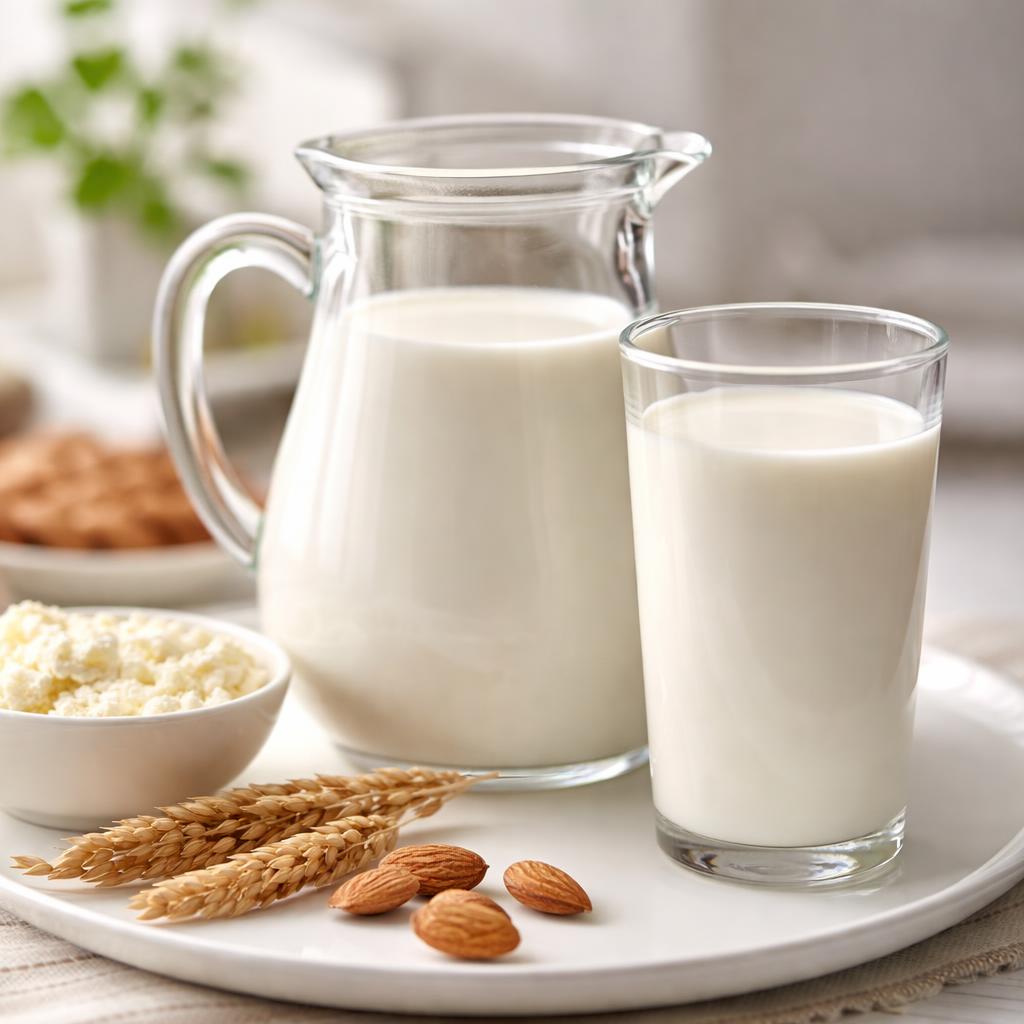
Milk

Protein
🎯 Quick Verdict
Milk is a versatile, nutrient-rich liquid that provides calcium, vitamin D, and moderate protein with fewer calories. Protein powders excel in protein content, making them ideal for muscle building and post-workout recovery. Milk is better for general nutrition and hydration, whereas protein powders are targeted for muscle repair and high-protein diets.

Smart Nutrition Tracking with SnapCalorie

📊 Nutritional Comparison
Macronutrients
| Nutrient | Food 1 | Food 2 | Winner |
|---|---|---|---|
| Calories | 120 | 100 | ✓ |
| Protein | 8g | 25g | ✓ |
| Carbs | 12g | 2g | ✓ |
| Fat | 5g | 1g | ✓ |
| Fiber | 0g | 0g | − |
Vitamins & Minerals
| Nutrient | Food 1 | Food 2 | Winner |
|---|---|---|---|
| Vitamin D | 2.5mcg | 0mcg | ✓ |
| Calcium | 300mg | 20mg | ✓ |
| Iron | 0.1mg | 1mg | ✓ |
🏆 Category Winners
Protein
Protein powder contains over 3 times more protein per serving than milk.
Fiber
Neither milk nor protein powder contains dietary fiber.
Calories
Protein powder has 20 fewer calories.
Vitamins
Milk is significantly higher in calcium and contains vitamin D, which is absent in protein powder.
🥗 Diet Compatibility
Keto
Food 1: Not Compatible
Food 2: Compatible
Milk has too many carbs for keto diets; protein powder is low-carb.
Vegan
Food 1: Not Compatible
Food 2: Compatible (if plant-based)
Milk is animal-derived, while plant-based protein powders are vegan.
Gluten Free
Food 1: Compatible
Food 2: Compatible
Neither food contains gluten.
Paleo
Food 1: Not Compatible
Food 2: Compatible (if clean and grain-free)
Milk is not paleo; certain protein powders fit paleo if grain-free.
Low-Carb
Food 1: Not Compatible
Food 2: Compatible
Milk contains 12g of carbs per serving; protein powder has as little as 2g.
💪 Health Benefits Comparison
Food 1 Benefits
- Rich source of calcium for strong bones and teeth
- Contains vitamin D for immune function and bones
- Moderate protein content supports muscle growth and repair
- Provides hydration and essential electrolytes
Food 2 Benefits
- Very high protein content supports muscle repair and growth
- Low in carbs, suitable for low-carb and ketogenic diets
- Iron content helps promote oxygen transport in the body
- Easily customizable with vitamins/minerals in certain brands
✅ The Bottom Line
Milk is a better choice for general nutrition, hydration, and bone health, while protein powder is ideal for those needing a concentrated protein source, such as athletes or dieters. Choose milk for a balanced everyday beverage and protein powder for enhancing muscle repair and high-protein diets.
Choose Food 1 for: Bone health, hydration, general nutrition, everyday use
Choose Food 2 for: Athletes, high-protein diets, muscle building, post-workout recovery


