Milk VS Papaya
A detailed nutritional comparison
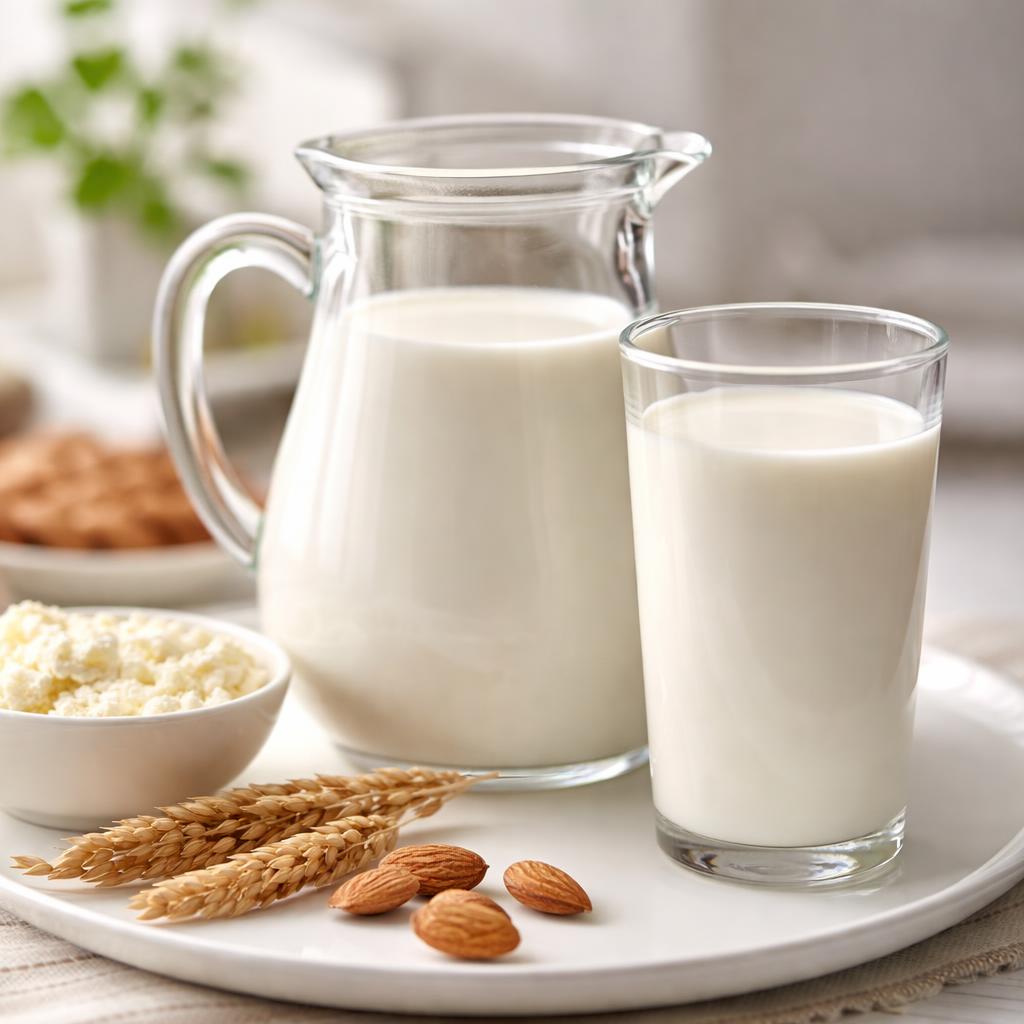
Milk
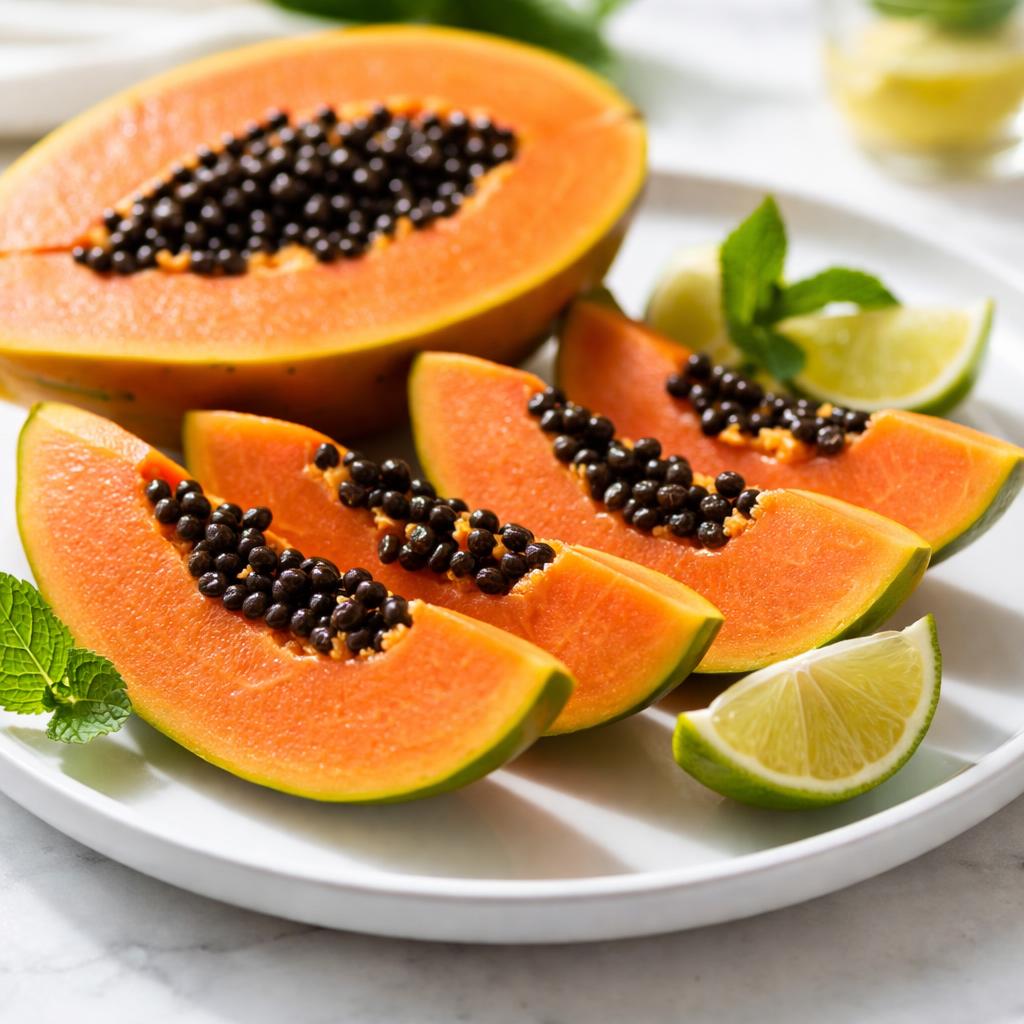
Papaya
🎯 Quick Verdict
Milk is a low-calorie, higher-protein option ideal for muscle building and bone health, while papaya excels in fiber and vitamin C, supporting digestion and immunity. Milk is well-suited for post-workout recovery, whereas papaya serves as a nutrient-dense snack or addition to diets prioritizing antioxidant intake.

Smart Nutrition Tracking with SnapCalorie

📊 Nutritional Comparison
Macronutrients
| Nutrient | Food 1 | Food 2 | Winner |
|---|---|---|---|
| Calories | 103 per cup (240 ml) | 59 per cup (150g) | ✓ |
| Protein | 8g per cup (240 ml) | 0.6g per cup (150g) | ✓ |
| Carbs | 12g per cup (240 ml) | 15g per cup (150g) | ✓ |
| Fat | 2.4g per cup (240 ml) | 0.2g per cup (150g) | ✓ |
| Fiber | 0g per cup (240 ml) | 2.5g per cup (150g) | ✓ |
Vitamins & Minerals
| Nutrient | Food 1 | Food 2 | Winner |
|---|---|---|---|
| Vitamin D | 2.9mcg per cup (240 ml) | 0mcg per cup (150g) | ✓ |
| Calcium | 300mg per cup (240 ml) | 20mg per cup (150g) | ✓ |
| Vitamin C | 0mg per cup (240 ml) | 88mg per cup (150g) | ✓ |
🏆 Category Winners
Protein
Milk contains significantly more protein (8g vs 0.6g).
Fiber
Papaya offers 2.5g of fiber per serving, while milk has none.
Calories
Papaya is slightly lower in calories (59 vs 103 per serving).
Vitamins
Papaya is exceptional in vitamin C content compared to milk.
🥗 Diet Compatibility
Keto
Food 1: Compatible
Food 2: Not Compatible
Milk is low-carb with 12g while papaya contains 15g per serving.
Vegan
Food 1: Not Compatible
Food 2: Compatible
Milk is animal-based; papaya is plant-based.
Gluten Free
Food 1: Compatible
Food 2: Compatible
Neither food contains gluten.
Paleo
Food 1: Not Compatible
Food 2: Compatible
Milk is processed and excluded in paleo diets.
Low Carb
Food 1: Compatible
Food 2: Not Compatible
Milk is lower in carbohydrates than papaya (12g vs 15g).
💪 Health Benefits Comparison
Food 1 Benefits
- Rich in calcium for strong bones and teeth
- Provides protein for muscle repair and growth
- Contains vitamin D to support immune function and healthy bones
Food 2 Benefits
- High in fiber for improving digestion and gut health
- Loaded with vitamin C for antioxidant protection and immune support
- Contains enzymes like papain, which aid in digestion
✅ The Bottom Line
Milk is ideal for those seeking a high-protein drink to fuel muscle growth or improve bone health, while papaya is a better choice for those prioritizing fiber intake, vitamin C, and antioxidants. Make your choice based on dietary goals and needs.
Choose Food 1 for: Post-workout recovery, muscle building, bone health
Choose Food 2 for: Digestive health, immune support, antioxidant intake


