Milk VS Muffin
A detailed nutritional comparison
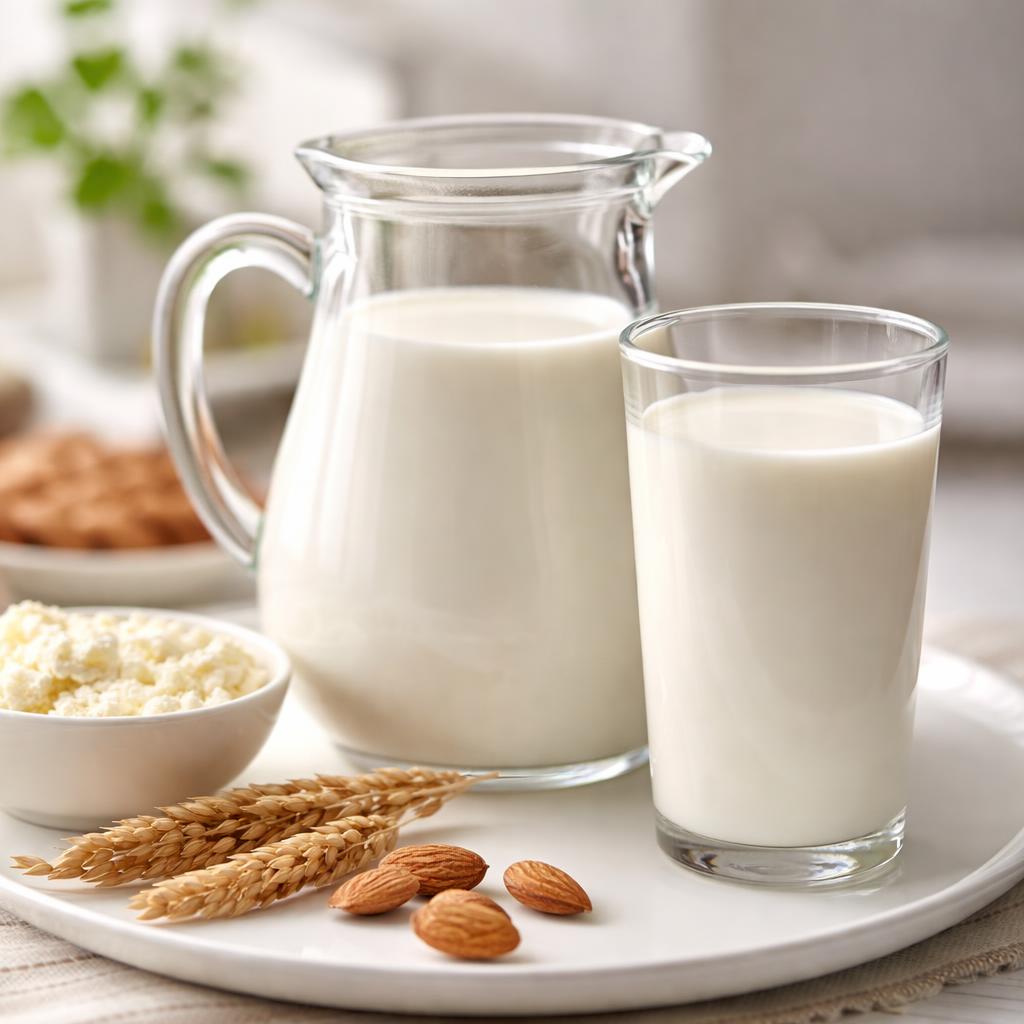
Milk
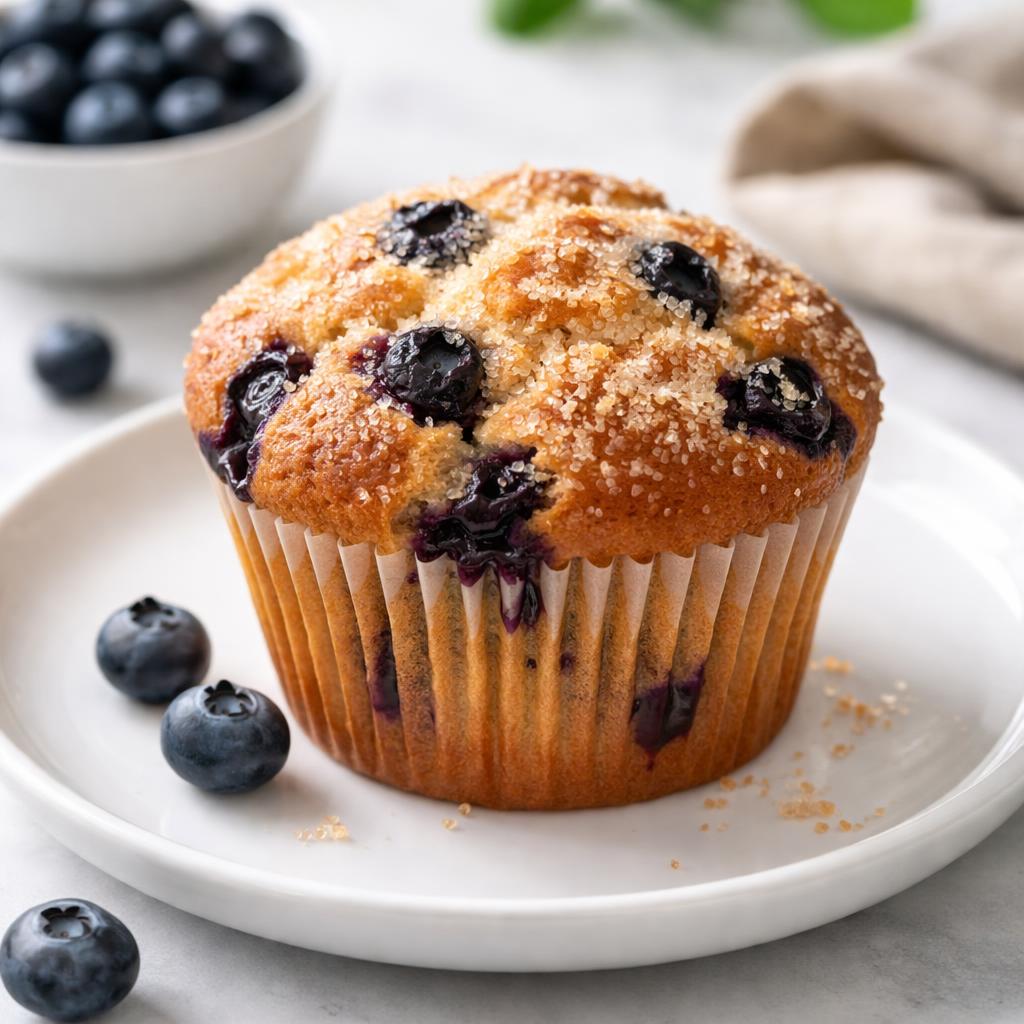
Muffin
🎯 Quick Verdict
Milk is higher in protein, calcium, and lower in calories, making it ideal for muscle-building and weight management. Muffins offer more dietary fiber and carbohydrates, suitable for quick energy and satisfying a sweet craving. Both have distinct nutritional uses depending on dietary goals.

Smart Nutrition Tracking with SnapCalorie

📊 Nutritional Comparison
Macronutrients
| Nutrient | Food 1 | Food 2 | Winner |
|---|---|---|---|
| Calories | 150 (1 cup whole milk) | 350 (1 medium muffin) | ✓ |
| Protein | 8g | 5g | ✓ |
| Carbs | 12g | 45g | ✓ |
| Fat | 8g | 15g | ✓ |
| Fiber | 0g | 2g | ✓ |
Vitamins & Minerals
| Nutrient | Food 1 | Food 2 | Winner |
|---|---|---|---|
| Vitamin D | 2mcg | 0mcg | ✓ |
| Calcium | 300mg | 20mg | ✓ |
| Iron | 0.1mg | 1mg | ✓ |
🏆 Category Winners
Protein
Milk contains 60% more protein per serving compared to a muffin.
Fiber
Muffins provide dietary fiber, while milk contains none.
Calories
Milk has less than half the calories of a medium muffin.
Vitamins
Milk is richer in calcium and vitamin D, while a muffin offers marginally more iron.
🥗 Diet Compatibility
Keto
Food 1: Not Compatible
Food 2: Not Compatible
Both foods are relatively high in carbs.
Vegan
Food 1: Not Compatible
Food 2: Depends (usually contains butter or eggs)
Milk is an animal product, and muffins are often made with non-vegan ingredients unless specified.
Gluten Free
Food 1: Compatible
Food 2: Not Compatible
Milk is gluten-free, while traditional muffins typically contain wheat flour.
Paleo
Food 1: Not Compatible
Food 2: Not Compatible
Neither food adheres to paleo principles due to processing and grains in muffins.
Low Carb
Food 1: Not Compatible
Food 2: Not Compatible
Milk and muffins both contain significant carbohydrates.
💪 Health Benefits Comparison
Food 1 Benefits
- Rich in calcium for bone health
- Source of protein for muscle building
- Provides Vitamin D for immune support
- Contains electrolytes for hydration
Food 2 Benefits
- Offers quick energy from carbohydrates
- Provides some dietary fiber for digestion
- Good source of iron for improving oxygen transport
- Contains micronutrients like B vitamins (depends on ingredients)
✅ The Bottom Line
Milk is a nutrient-dense choice lower in calories and higher in protein and calcium, ideal for muscle-building and bone health. Muffins are a higher-calorie snack with fiber and quick energy from carbohydrates, suitable for occasional indulgence or pre-workout energy boosts.
Choose Food 1 for: Bone health, muscle building, hydration, weight management
Choose Food 2 for: Quick energy, satisfying sweet cravings, occasional snacking


