Milk VS Macadamia Nuts
A detailed nutritional comparison
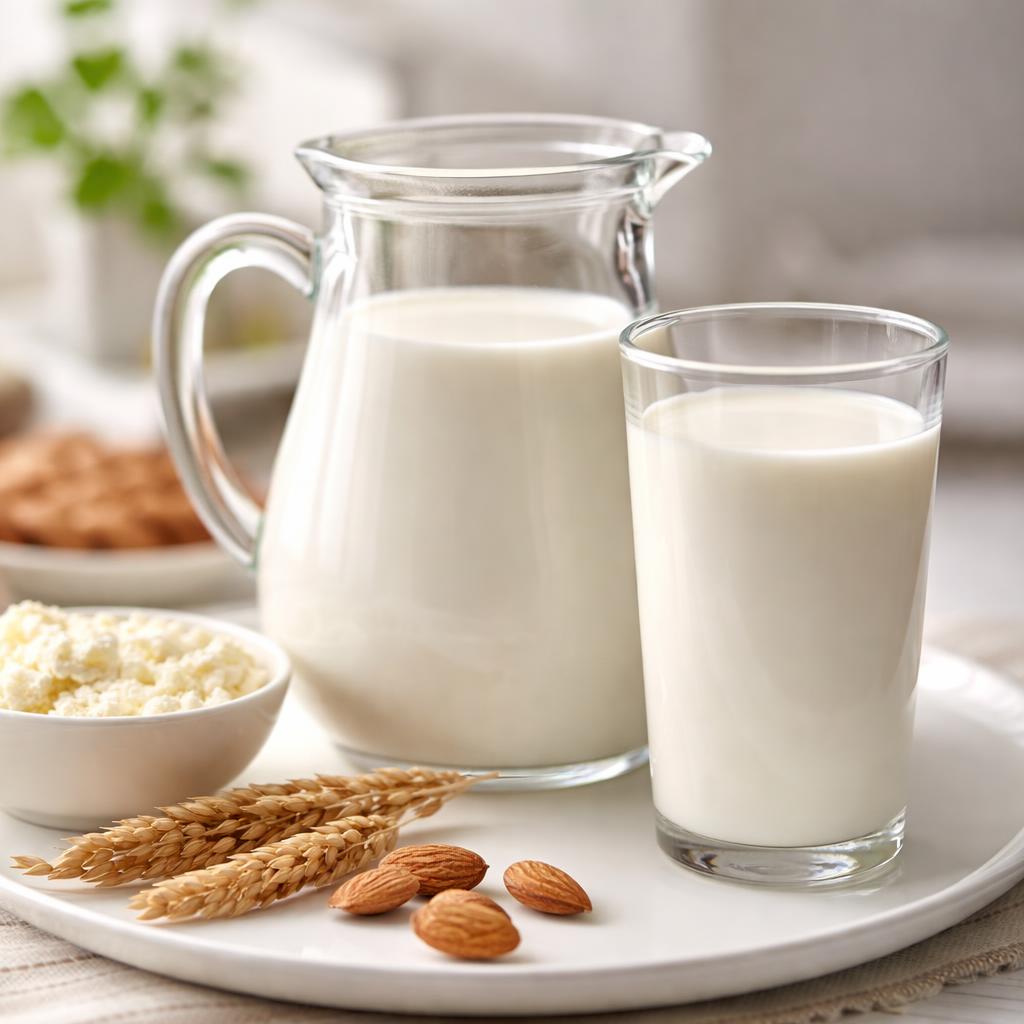
Milk
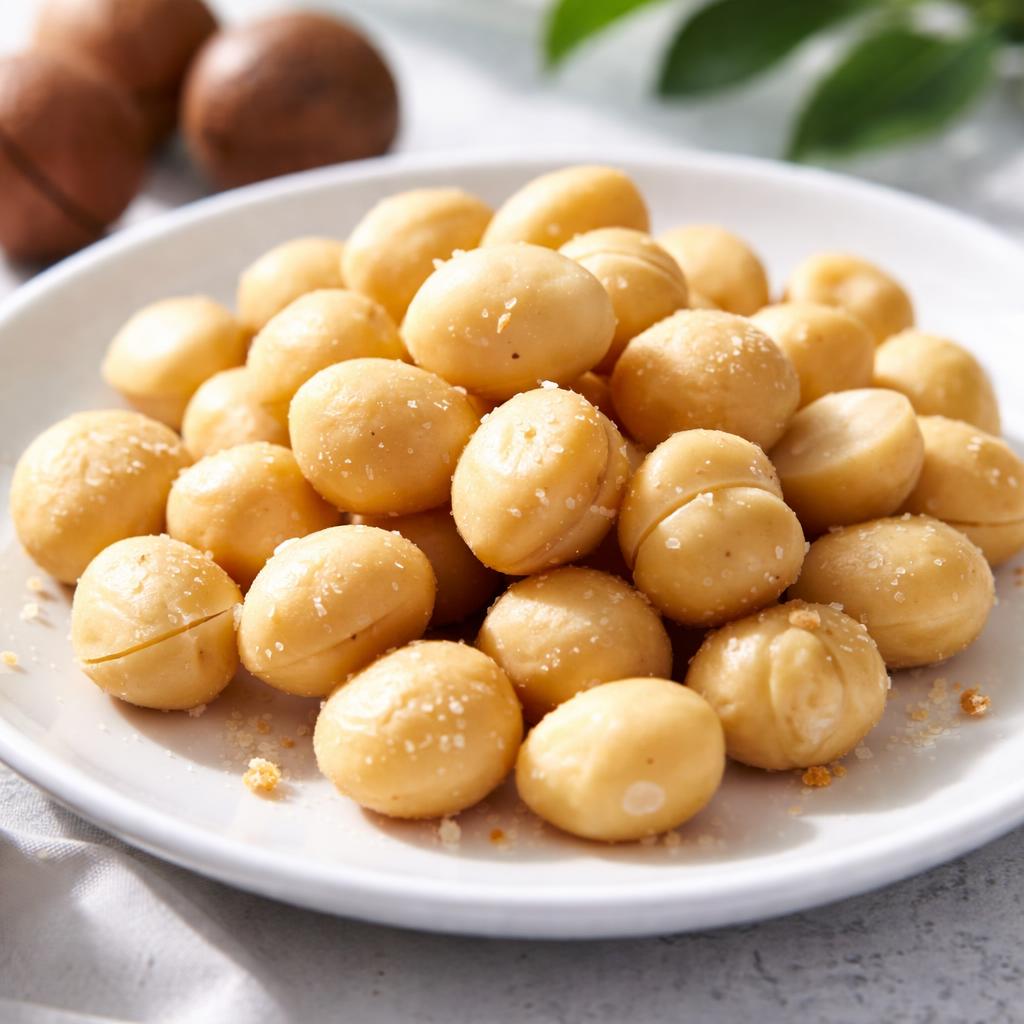
Macadamia Nuts
🎯 Quick Verdict
Milk and macadamia nuts offer distinct nutritional profiles suited for different dietary goals. Milk is lower in calories, higher in protein, and provides essential nutrients like calcium and vitamin D, making it ideal for muscle and bone health. Macadamia nuts are higher in healthy fats and fiber, along with being rich in antioxidants and micronutrients, which support heart health and longevity. Choose milk for a lean protein source and macadamia nuts for nutrient-dense snacking or healthy fats in your diet.

Smart Nutrition Tracking with SnapCalorie

📊 Nutritional Comparison
Macronutrients
| Nutrient | Food 1 | Food 2 | Winner |
|---|---|---|---|
| Calories | 150 | 204 | ✓ |
| Protein | 8g | 2g | ✓ |
| Carbs | 11g | 4g | ✓ |
| Fat | 8g | 22g | ✓ |
| Fiber | 0g | 2.4g | ✓ |
Vitamins & Minerals
| Nutrient | Food 1 | Food 2 | Winner |
|---|---|---|---|
| Vitamin D | 2.5mcg | 0mcg | ✓ |
| Calcium | 300mg | 11mg | ✓ |
| Iron | 0.1mg | 1.5mg | ✓ |
| Vitamin C | 0mg | 0mg | − |
🏆 Category Winners
Protein
Milk provides 4x more protein than macadamia nuts per serving.
Fiber
Macadamia nuts supply 2.4g of fiber, whereas milk contains none.
Calories
Milk has 27% fewer calories compared to macadamia nuts.
🥗 Diet Compatibility
Keto
Food 1: Not Compatible
Food 2: Compatible
Macadamia nuts are low-carb and high-fat, ideal for keto.
Vegan
Food 1: Not Compatible
Food 2: Compatible
Macadamia nuts are plant-based, unlike milk.
Gluten Free
Food 1: Compatible
Food 2: Compatible
Both foods are naturally gluten-free.
Paleo
Food 1: Not Compatible
Food 2: Compatible
Milk is not part of the paleo diet; macadamia nuts fit paleo guidelines.
Low-Carb
Food 1: Not Compatible
Food 2: Compatible
Macadamia nuts are low in carbohydrates (4g per serving).
💪 Health Benefits Comparison
Food 1 Benefits
- Provides high-quality protein for muscle growth and repair
- Rich in calcium, supporting strong bones and teeth
- Contains vitamin D for immune health and bone development
Food 2 Benefits
- Rich source of monounsaturated fats, beneficial for heart health
- Provides fiber for supporting digestive wellness
- Contains antioxidants that combat inflammation and protect cells
✅ The Bottom Line
Milk is ideal for those seeking a lower-calorie, protein-rich food to support muscle and bone health, while macadamia nuts are a nutrient-dense choice for healthy fats, fiber, and sustained energy. Your choice should align with your diet preferences, such as keto or vegan, and your nutritional priorities.
Choose Food 1 for: Weight management, post-workout recovery, bone health
Choose Food 2 for: Keto diets, heart health, nutrient-density-focused snacking


