Milk VS Latte
A detailed nutritional comparison
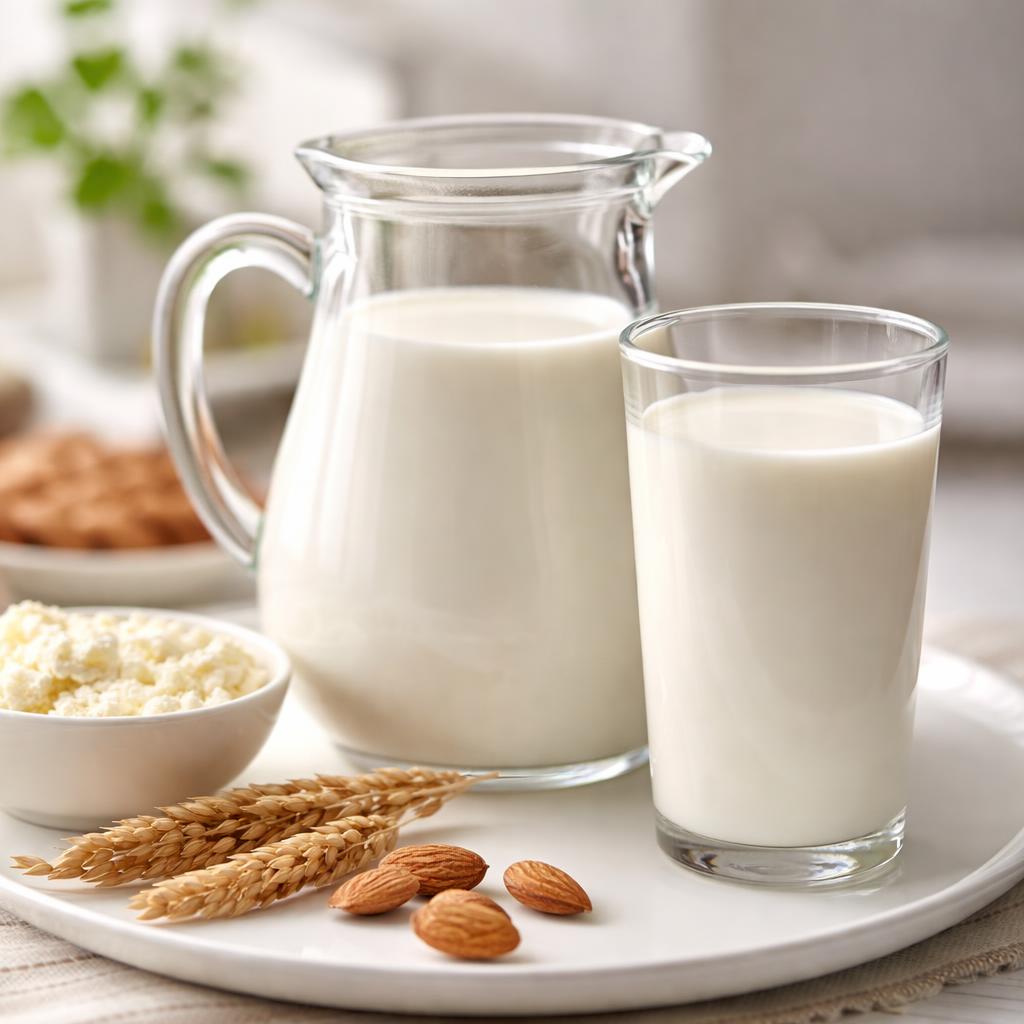
Milk

Latte
🎯 Quick Verdict
Milk is nutritionally superior in protein content and lower in calories compared to a latte, which contains added calories from milk and potentially sugar in the coffee base. A latte might provide an energy boost due to caffeine, but milk is better for those looking for a nutrient-rich drink without added extras, suitable for post-workout recovery or overall health maintenance.

Smart Nutrition Tracking with SnapCalorie

📊 Nutritional Comparison
Macronutrients
| Nutrient | Food 1 | Food 2 | Winner |
|---|---|---|---|
| Calories | 100 | 190 | ✓ |
| Protein | 8g | 5g | ✓ |
| Carbs | 12g | 22g | ✓ |
| Fat | 2g | 7g | ✓ |
| Fiber | 0g | 0g | − |
Vitamins & Minerals
| Nutrient | Food 1 | Food 2 | Winner |
|---|---|---|---|
| Vitamin D | 2.5mcg | 2.5mcg | − |
| Calcium | 300mg | 250mg | ✓ |
| Iron | 0.1mg | 0.3mg | ✓ |
🏆 Category Winners
Protein
Milk contains 60% more protein per serving compared to a latte.
Fiber
Neither food contains dietary fiber.
Calories
Milk has 47% fewer calories.
Vitamins
Both provide similar amounts of key vitamins, such as Vitamin D. Milk slightly edges out in calcium content.
🥗 Diet Compatibility
Keto
Food 1: Not Compatible
Food 2: Not Compatible
Both are moderately high in carbs, making them unsuitable for strict keto diets.
Vegan
Food 1: Not Compatible
Food 2: Not Compatible
Both contain dairy, excluding them from vegan diets.
Gluten Free
Food 1: Compatible
Food 2: Compatible
Neither contains gluten.
Paleo
Food 1: Not Compatible
Food 2: Not Compatible
Dairy products do not align with strict paleo guidelines.
Low Carb
Food 1: Not Compatible
Food 2: Not Compatible
Both contain more carbohydrates than typically allowed in low-carb diets.
💪 Health Benefits Comparison
Food 1 Benefits
- Provides high-quality protein for muscle repair and growth
- Rich in calcium for strong bones and teeth
- Includes Vitamin D for better calcium absorption and immune support
- Low in calories, making it suitable for weight maintenance
Food 2 Benefits
- Caffeine boosts energy and improves mental alertness
- Contains healthy fats, depending on the type of milk used
- Good source of calcium and Vitamin D
- Acts as a hydrating and energizing beverage during busy days
✅ The Bottom Line
Milk is the better choice for those prioritizing protein intake, low calories, and overall bone health. It works well in recovery diets or nutrient-focused lifestyles. A latte is a great indulgent pick for energy boosts, especially if caffeine is beneficial for your lifestyle, but it comes with added calories and fats.
Choose Food 1 for: Post-workout recovery, bone health, weight control
Choose Food 2 for: Energy boost, coffee lovers, indulgent treat


