Milk VS Iced Latte
A detailed nutritional comparison
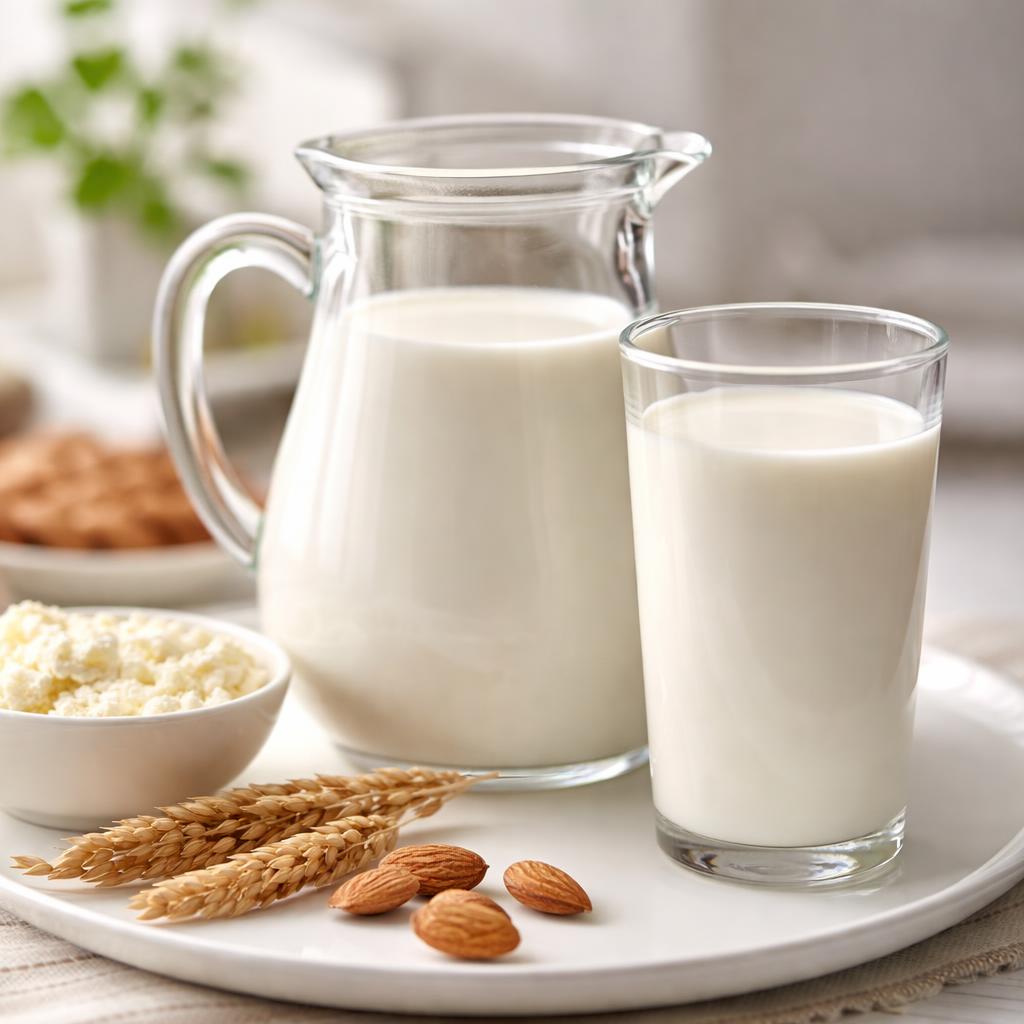
Milk
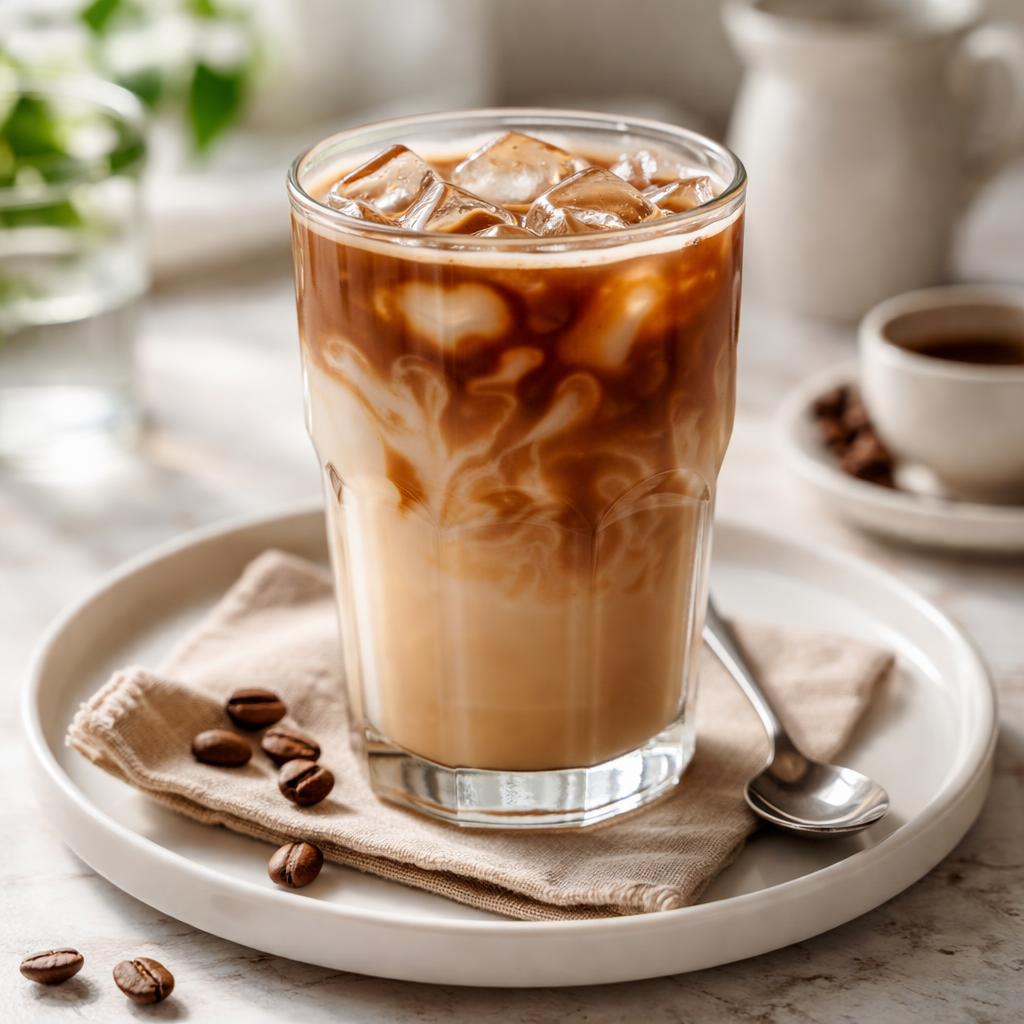
Iced Latte
🎯 Quick Verdict
Milk provides more protein, calcium, and fewer calories per serving compared to iced latte, making it the better choice for muscle maintenance and weight management. Iced latte has added sugars and caffeine, making it ideal for a quick energy boost but less nutrient-dense overall.

Smart Nutrition Tracking with SnapCalorie

📊 Nutritional Comparison
Macronutrients
| Nutrient | Food 1 | Food 2 | Winner |
|---|---|---|---|
| Calories | 103 | 150 | − |
| Protein | 8g | 2g | − |
| Carbs | 12g | 30g | − |
| Fat | 2.5g | 4g | − |
| Fiber | 0g | 0g | − |
Vitamins & Minerals
| Nutrient | Food 1 | Food 2 | Winner |
|---|---|---|---|
| Calcium | 300mg | 40mg | − |
| Vitamin D | 2mcg | 0mcg | − |
| Potassium | 366mg | 100mg | − |
🏆 Category Winners
Protein
Milk contains 4 times more protein than iced latte.
Fiber
Neither milk nor iced latte contains fiber.
Calories
Milk has significantly fewer calories per serving.
Vitamins
Milk has superior amounts of calcium, vitamin D, and potassium.
🥗 Diet Compatibility
Keto
Food 1: Moderately Compatible
Food 2: Not Compatible
Milk is reasonably low-carb, but iced latte often contains added sugars.
Vegan
Food 1: Not Compatible
Food 2: Not Compatible
Neither is plant-based unless alternatives like oat milk or almond milk are used.
Gluten Free
Food 1: Compatible
Food 2: Compatible
Neither contains gluten.
Paleo
Food 1: Not Compatible
Food 2: Not Compatible
Milk and iced latte are not considered paleo-friendly.
Low Carb
Food 1: Moderately Compatible
Food 2: Not Compatible
Milk is lower in carbs compared to iced latte, which often includes sugary syrups.
💪 Health Benefits Comparison
Food 1 Benefits
- High protein content promotes muscle maintenance.
- Excellent source of calcium for bone health.
- Contains vitamin D to support overall wellness and immunity.
Food 2 Benefits
- Provides caffeine for increased focus and alertness.
- Contains carbohydrates for quick energy boost.
- Can be customized with plant-based milks or sugar-free syrups for a tailored nutritional profile.
✅ The Bottom Line
Milk is the better choice for those seeking a nutrient-dense beverage with high protein, fewer calories, and essential vitamins like calcium and vitamin D. Iced latte is ideal for a quick caffeine boost and energy, but typically lacks the same nutritional value and can be higher in added sugars.
Choose Food 1 for: Muscle maintenance, weight management, bone health
Choose Food 2 for: Energy boost, focus, coffee lovers seeking convenience


