Milk VS Iced Coffee
A detailed nutritional comparison
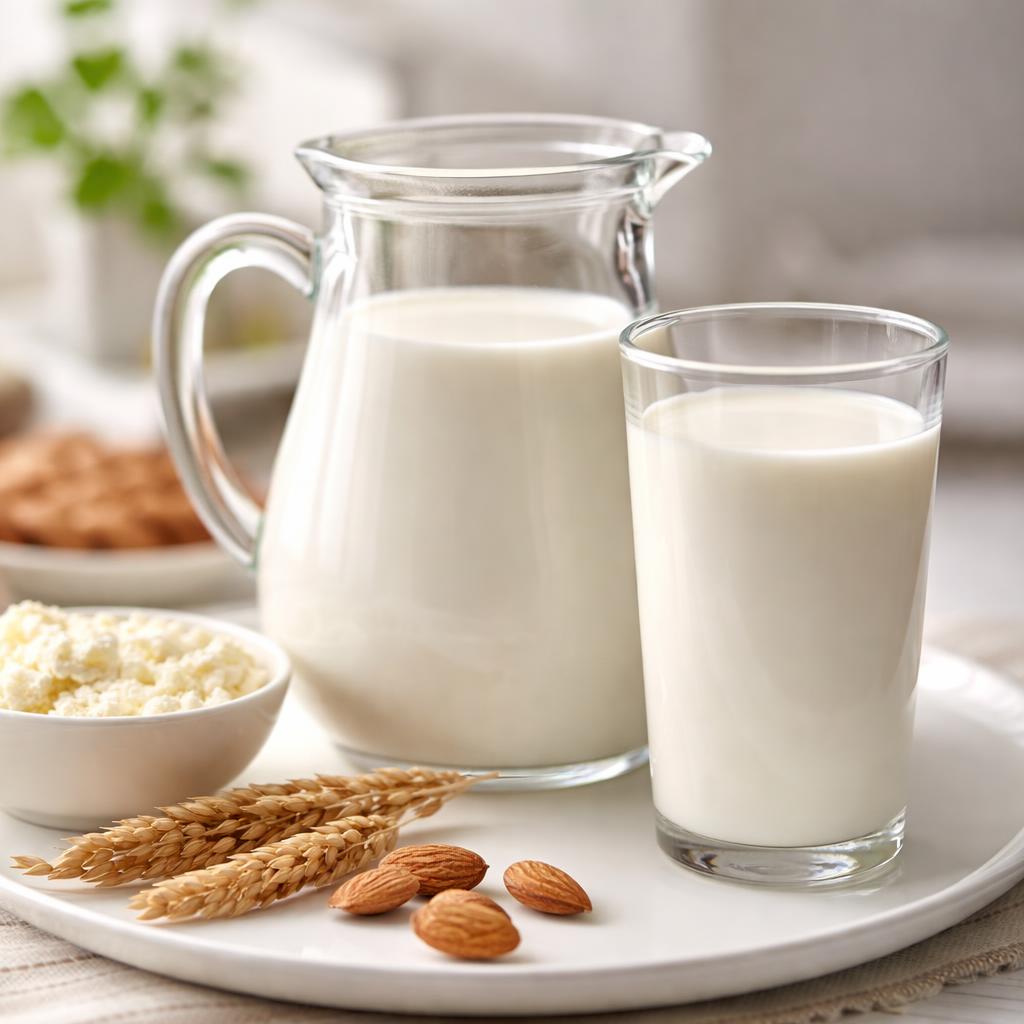
Milk
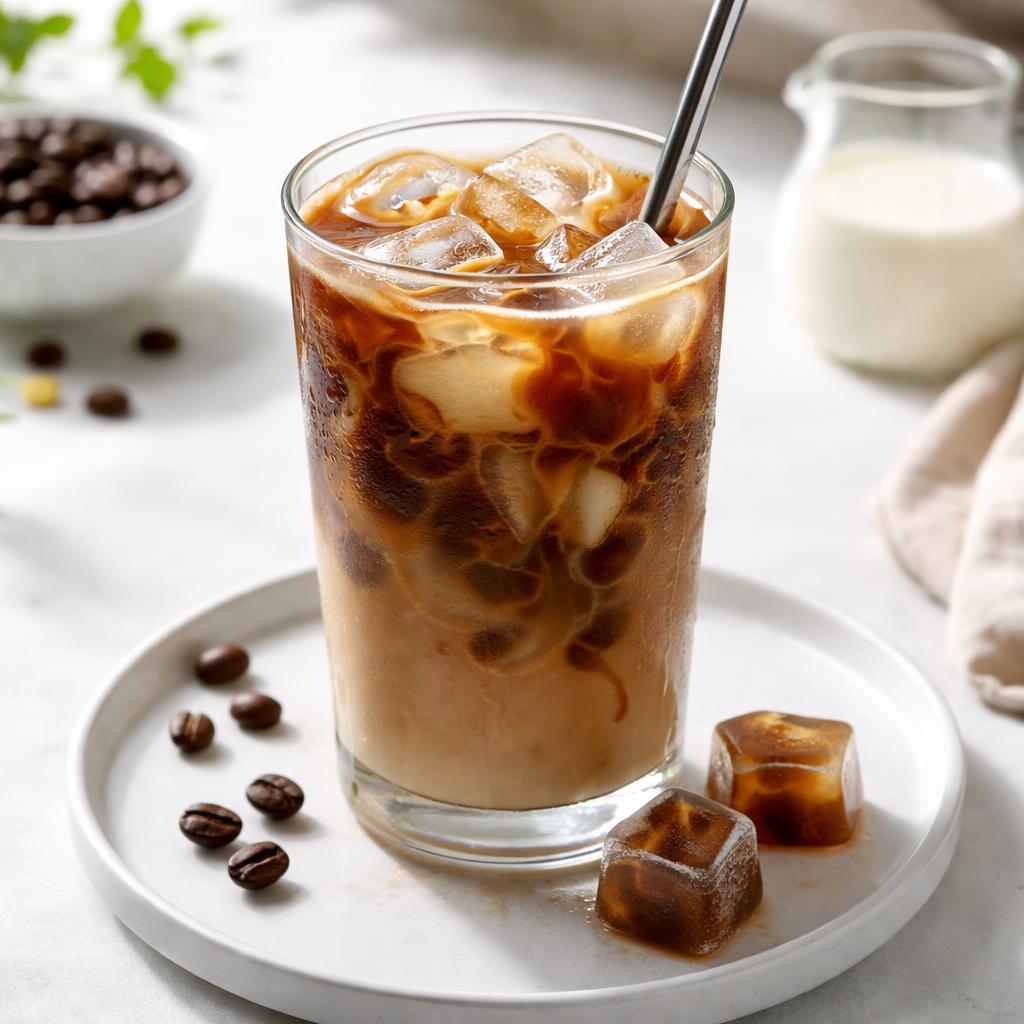
Iced Coffee
🎯 Quick Verdict
Milk and iced coffee offer different nutritional profiles. Milk is higher in protein and provides essential vitamins and minerals like calcium and vitamin D, making it ideal for bone health and muscle support. Iced coffee is lower in macronutrients but provides antioxidants and caffeine, making it a good choice for energy and focus. Each is suited for unique dietary needs and preferences.

Smart Nutrition Tracking with SnapCalorie

📊 Nutritional Comparison
Macronutrients
| Nutrient | Food 1 | Food 2 | Winner |
|---|---|---|---|
| Calories | 150 (1 cup, 2% milk) | 150 (12 oz unsweetened iced coffee) | − |
| Protein | 8g | 1g | − |
| Carbs | 12g | 1g (unsweetened) | − |
| Fat | 5g | 0g | − |
| Fiber | 0g | 0g | − |
Vitamins & Minerals
| Nutrient | Food 1 | Food 2 | Winner |
|---|---|---|---|
| Vitamin D | 2.5mcg | 0mcg | − |
| Calcium | 300mg | 8mg (trace amounts) | − |
| Iron | 0mg | 0mg | − |
🏆 Category Winners
Protein
Milk provides 8g of protein per serving compared to just 1g in iced coffee.
Fiber
Neither milk nor unsweetened iced coffee contains fiber.
Calories
Both milk and iced coffee are relatively similar in terms of calories per serving.
🥗 Diet Compatibility
Keto
Food 1: Moderately Compatible
Food 2: Compatible
Milk contains natural carbs while unsweetened iced coffee is carb-free.
Vegan
Food 1: Not Compatible
Food 2: Compatible
Milk is an animal product, while iced coffee is plant-based.
Gluten Free
Food 1: Compatible
Food 2: Compatible
Neither contains gluten unless flavored additives are used.
Paleo
Food 1: Not Compatible
Food 2: Compatible
Milk is not considered paleo while coffee is acceptable.
Low Carb
Food 1: Not Compatible
Food 2: Compatible
Milk contains natural sugars whereas unsweetened iced coffee is low-carb.
💪 Health Benefits Comparison
Food 1 Benefits
- Rich in high-quality protein for muscle maintenance
- Provides calcium and vitamin D for strong bones and teeth
- Source of vitamin B12 for energy production
Food 2 Benefits
- Contains antioxidants such as chlorogenic acid for cell protection
- Natural source of caffeine for increased focus and energy
- Low-calorie and carb-free option for weight management (unsweetened)
✅ The Bottom Line
Choose milk for its rich protein, calcium, and vitamin D content, especially beneficial for bone health and post-workout recovery. Opt for iced coffee if you need a quick, low-calorie energy boost, especially in a low-carb or vegan diet. Each serves different nutritional purposes.
Choose Food 1 for: Bone health, muscle building, post-workout recovery
Choose Food 2 for: Energy boost, low-carb diets, vegan diets


