Paleo Iced Coffee with Milk

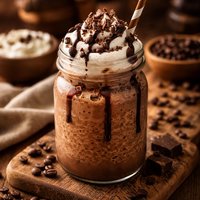
Cool off and energize with this creamy and refreshing Paleo Iced Coffee with Milk—a guilt-free indulgence perfect for clean eating enthusiasts. Crafted with strong brewed coffee, unsweetened almond milk, a hint of vanilla, and naturally sweetened with coconut sugar, this beverage strikes the perfect balance of rich flavor and light sweetness. The quick 10-minute preparation ensures you can enjoy café-quality iced coffee at home without compromising your paleo lifestyle or dietary goals. With its layered presentation and smooth taste, this dairy-free, refined sugar-free iced coffee is destined to become your new favorite way to start the day or perk up your afternoon.

Smart Nutrition Tracking with SnapCalorie


Recipe Information
Ingredients
- 8 fl oz strong brewed coffee
- 4 fl oz unsweetened almond milk
- 2 teaspoons coconut sugar
- 0.5 teaspoons vanilla extract
- 1 cup ice cubes
Instructions
Brew a strong cup of your favorite coffee using filtered water to really bring out the flavor. Allow it to cool a bit or keep it in the refrigerator for faster cooling.
In a large glass or pitcher, combine the brewed coffee and coconut sugar. Stir until the sugar is completely dissolved.
Add the vanilla extract to the coffee and stir again to incorporate.
Fill a serving glass with ice cubes, ensuring enough room at the top for milk.
Pour the sweetened coffee over the ice cubes, filling the glass approximately three-quarters full.
Slowly pour the unsweetened almond milk over the coffee. Allow it to mix naturally with the coffee for a beautifully layered effect or stir it gently to mix.
Taste and adjust the sweetness if necessary, adding more coconut sugar if desired.
Serve immediately with a straw and enjoy your naturally sweetened paleo iced coffee.
Nutrition Facts
Calories |
55 | ||
|---|---|---|---|
% Daily Value* |
|||
| Total Fat | 1.2 g | 2% | |
| Saturated Fat | 0.0 g | 0% | |
| Polyunsaturated Fat | 0.0 g | ||
| Cholesterol | 0 mg | 0% | |
| Sodium | 90 mg | 4% | |
| Total Carbohydrate | 9.1 g | 3% | |
| Dietary Fiber | 0.6 g | 2% | |
| Total Sugars | 8.5 g | ||
| Protein | 0.6 g | 1% | |
| Vitamin D | 1.2 mcg | 6% | |
| Calcium | 231 mg | 18% | |
| Iron | 0.6 mg | 3% | |
| Potassium | 157 mg | 3% | |
*The % Daily Value tells you how much a nutrient in a serving of food contributes to a daily diet. 2,000 calories a day is used for general nutrition advice.


