Milk VS Ginger
A detailed nutritional comparison
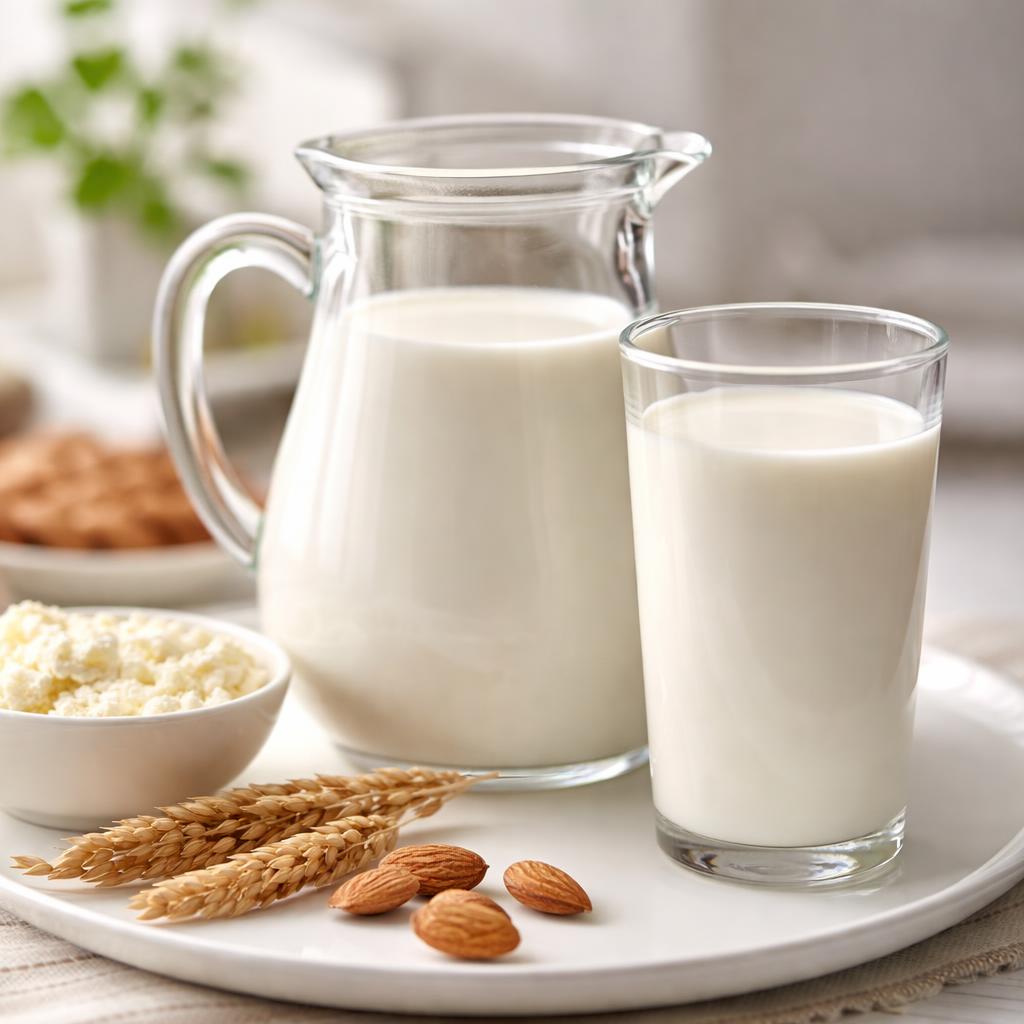
Milk
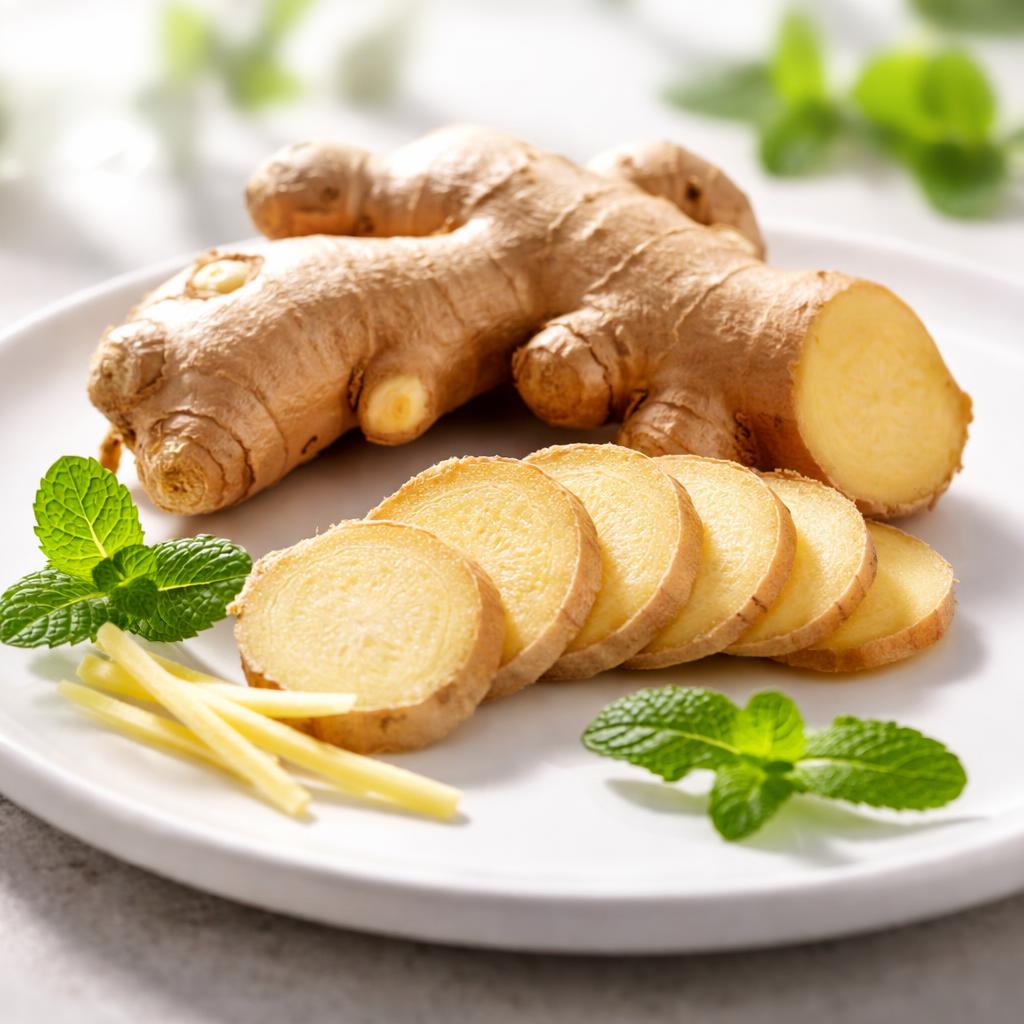
Ginger
🎯 Quick Verdict
Milk is a protein-rich beverage with beneficial vitamins such as calcium and vitamin D, suitable for muscle maintenance and bone health. Ginger, on the other hand, is extremely low in calories, rich in fiber, and loaded with antioxidants, making it ideal for digestion and reducing inflammation. Both foods serve unique purposes in a diet depending on nutritional needs.

Smart Nutrition Tracking with SnapCalorie

📊 Nutritional Comparison
Macronutrients
| Nutrient | Food 1 | Food 2 | Winner |
|---|---|---|---|
| Calories | 42 per 100ml | 80 per 100g | ✓ |
| Protein | 3.4g per 100ml | 1.8g per 100g | ✓ |
| Carbs | 5g per 100ml | 17g per 100g | ✓ |
| Fat | 1g per 100ml | 0.8g per 100g | ✓ |
| Fiber | 0g per 100ml | 2g per 100g | ✓ |
Vitamins & Minerals
| Nutrient | Food 1 | Food 2 | Winner |
|---|---|---|---|
| Vitamin D | 1mcg per 100ml | 0mcg per 100g | ✓ |
| Calcium | 120mg per 100ml | 16mg per 100g | ✓ |
| Iron | 0mg per 100ml | 0.6mg per 100g | ✓ |
🏆 Category Winners
Protein
Milk has nearly double the protein per serving compared to ginger.
Fiber
Ginger contains fiber, while milk does not.
Calories
Milk has fewer calories per 100ml compared to ginger per 100g.
🥗 Diet Compatibility
Keto
Food 1: Not Compatible
Food 2: Compatible
Ginger is extremely low-carb, while milk has moderate carbs.
Vegan
Food 1: Not Compatible
Food 2: Compatible
Milk is animal-derived, whereas ginger is plant-based.
Gluten Free
Food 1: Compatible
Food 2: Compatible
Neither contains gluten.
Paleo
Food 1: Not Compatible
Food 2: Compatible
Milk is not typically allowed in paleo diets, whereas ginger is.
Low-Carb
Food 1: Not Compatible
Food 2: Compatible
Milk has more carbs per serving, whereas ginger can fit into low-carb diets.
💪 Health Benefits Comparison
Food 1 Benefits
- Rich in protein for muscle repair and growth
- High in calcium and vitamin D for bone health
- Good source of B vitamins for energy metabolism
Food 2 Benefits
- Contains antioxidants for reducing inflammation
- Supports digestion due to natural compounds like gingerol
- Promotes immune health with antibacterial properties
✅ The Bottom Line
Choose milk for protein needs, bone health, and post-workout recovery, as it is nutrient-dense and filling. Opt for ginger if targeting digestive health, reducing inflammation, or looking for a low-calorie, fiber-rich addition to meals or drinks.
Choose Food 1 for: Bone health, muscle repair, post-workout recovery
Choose Food 2 for: Digestive health, anti-inflammatory benefits, low-calorie diets


