Milk VS Flat White
A detailed nutritional comparison
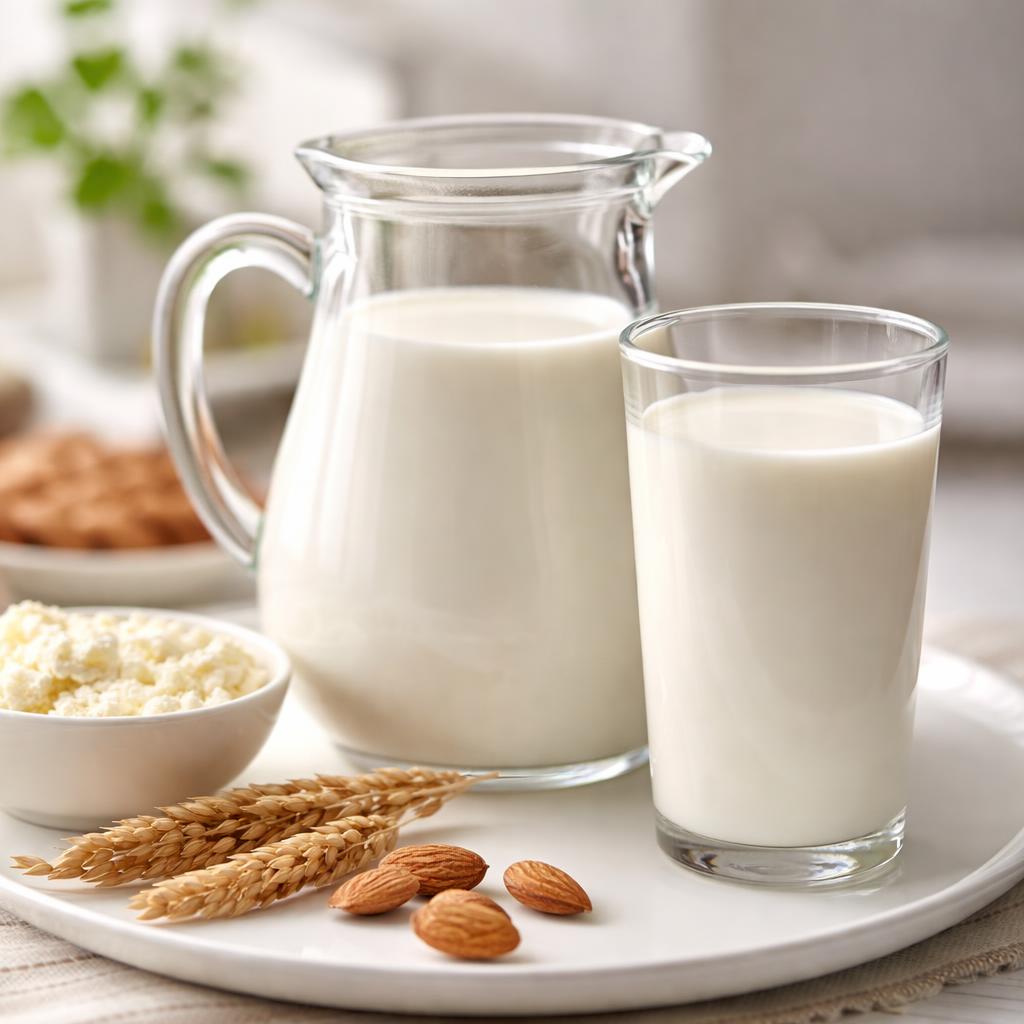
Milk

Flat White
🎯 Quick Verdict
Milk provides a simpler nutritional profile with higher protein and fewer calories compared to a flat white. Flat white, on the other hand, combines milk with coffee for an energy boost and added antioxidants, but it is slightly higher in calories due to the coffee preparation process. Milk is ideal for protein-focused diets, while flat white can be better suited for those needing a caffeine fix with nutrients.

Smart Nutrition Tracking with SnapCalorie

📊 Nutritional Comparison
Macronutrients
| Nutrient | Food 1 | Food 2 | Winner |
|---|---|---|---|
| Calories | 103 (per 8oz) | 120 (per 8oz) | − |
| Protein | 8g | 6g | − |
| Carbs | 12g | 10g | − |
| Fat | 2g | 4g | − |
| Fiber | 0g | 0g | − |
Vitamins & Minerals
| Nutrient | Food 1 | Food 2 | Winner |
|---|---|---|---|
| Vitamin D | 2.5mcg | 2.5mcg | − |
| Calcium | 300mg | 250mg | − |
| Iron | 0mg | 0mg | − |
| Potassium | 366mg | 305mg | − |
🏆 Category Winners
Protein
Milk provides 33% more protein compared to flat white.
Fiber
Neither milk nor flat white contain fiber.
Calories
Milk has fewer calories, making it a lighter choice.
Vitamins
Milk delivers higher calcium and potassium levels than flat white.
🥗 Diet Compatibility
Keto
Food 1: Not Compatible
Food 2: Not Compatible
Both contain a moderate carbohydrate load (10-12g per serving).
Vegan
Food 1: Not Compatible
Food 2: Not Compatible
Regular milk and milk-based flat white are derived from dairy.
Gluten Free
Food 1: Compatible
Food 2: Compatible
Neither contains gluten ingredients.
Paleo
Food 1: Not Compatible
Food 2: Not Compatible
Dairy products do not align with paleo dietary guidelines.
Low-Carb
Food 1: Not Compatible
Food 2: Not Compatible
Carbohydrates exceed keto/low-carb thresholds in both foods.
💪 Health Benefits Comparison
Food 1 Benefits
- Rich in protein, aiding muscle maintenance and repair
- Good source of Vitamin D for bone health
- Contains calcium for strong teeth and bones
- Provides potassium for blood pressure regulation
Food 2 Benefits
- Combines coffee for antioxidants and brain health
- Contains caffeine for increased energy and alertness
- Provides milk’s protein for muscle support
- Delivers moderate calcium for bone health
✅ The Bottom Line
Milk is generally better for nutrient-density with higher protein and fewer calories. Flat white combines milk with coffee for additional energy and antioxidants, but is slightly higher in calories due to its preparation. Choose milk for simple, protein-rich diets or flat white for a balanced nutrient boost and caffeine.
Choose Food 1 for: Muscle recovery, low-calorie diets, bone health
Choose Food 2 for: Caffeine boost, antioxidants, moderate nutrient intake


