Milk VS Dressing
A detailed nutritional comparison
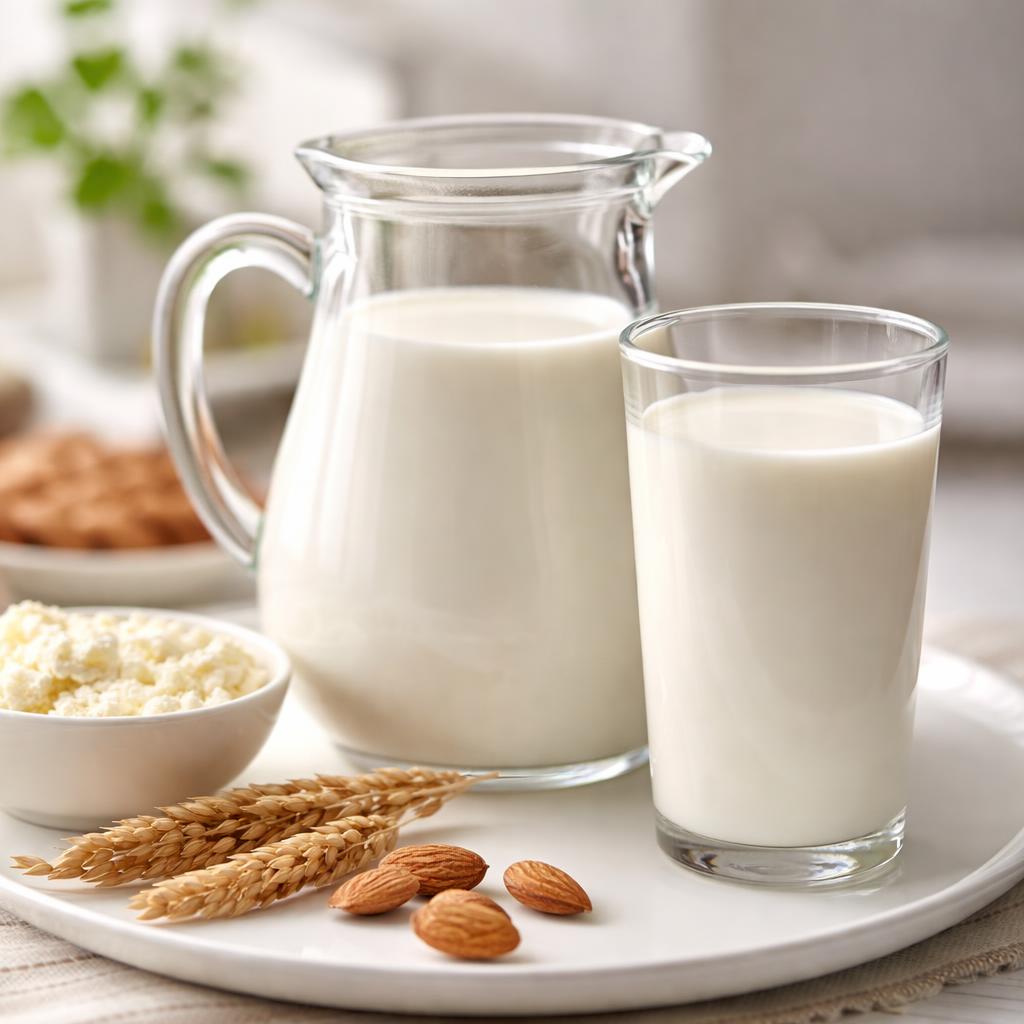
Milk
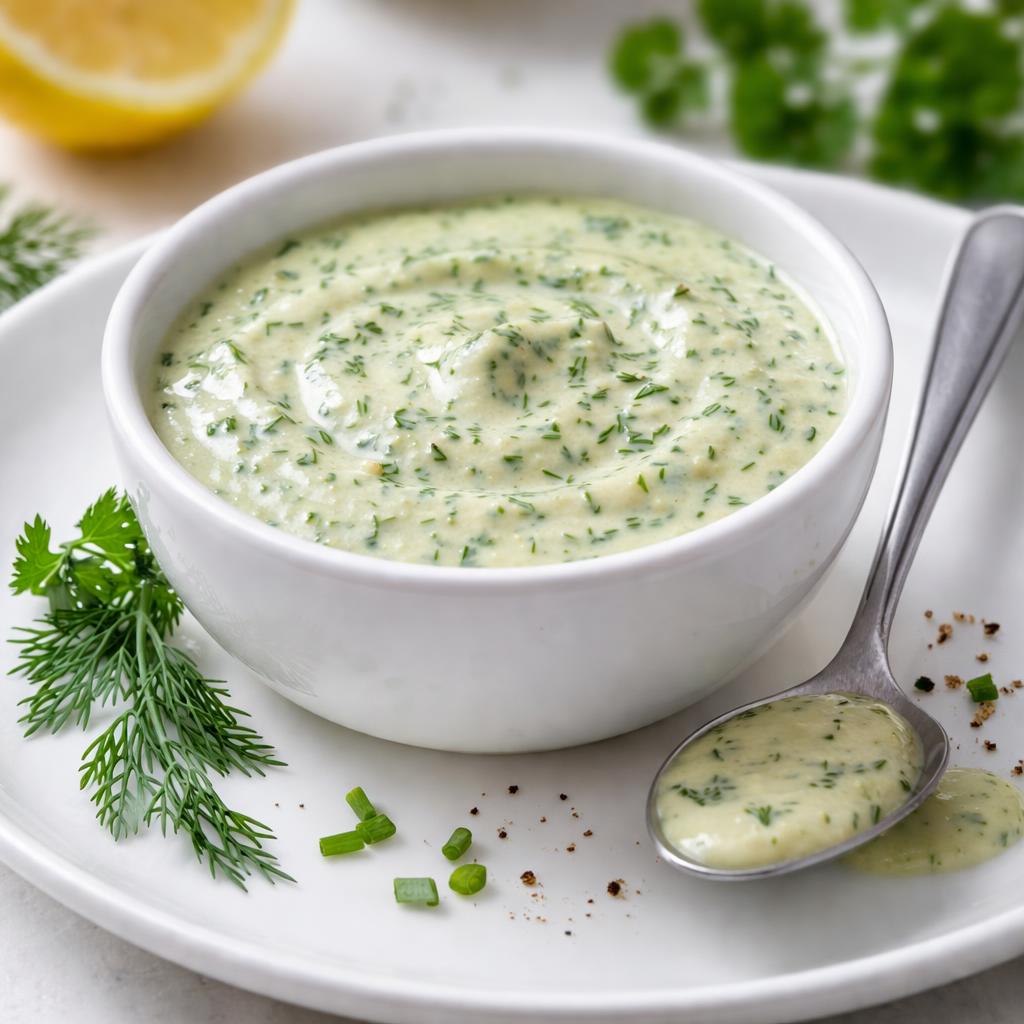
Dressing
🎯 Quick Verdict
Milk is nutrient-dense, offering more protein per serving and fewer calories compared to dressing. Dressing typically has more fat content and provides flavor enhancement but lacks the overall macronutrient balance found in milk. Milk is ideal for protein-focused diets, while dressing fits into flavor-focused uses like salads or marinades.

Smart Nutrition Tracking with SnapCalorie

📊 Nutritional Comparison
Macronutrients
| Nutrient | Food 1 | Food 2 | Winner |
|---|---|---|---|
| Calories | 125 per cup | 150 per 2 tbsp | ✓ |
| Protein | 8g per cup | 0g per 2 tbsp | ✓ |
| Carbs | 12g per cup | 2g per 2 tbsp | ✓ |
| Fat | 2.5g per cup | 14g per 2 tbsp | ✓ |
| Fiber | 0g per cup | 0g per 2 tbsp | − |
Vitamins & Minerals
| Nutrient | Food 1 | Food 2 | Winner |
|---|---|---|---|
| Vitamin D | 2.5mcg per cup (fortified) | Not significant | ✓ |
| Calcium | 300mg per cup | Not significant | ✓ |
| Iron | 0.1mg per cup | Not significant | ✓ |
| Vitamin K | Not significant | 20mcg per 2 tbsp | ✓ |
🏆 Category Winners
Protein
Milk provides 8g of protein per serving compared to 0g in dressing.
Fiber
Neither milk nor typical dressing contains dietary fiber.
Calories
Milk has fewer calories per serving compared to dressing.
Vitamins
Milk is rich in vitamin D, calcium, and other essential nutrients, while dressing mainly contributes vitamin K.
🥗 Diet Compatibility
Keto
Food 1: Not Compatible
Food 2: Compatible
Dressing is high-fat and low-carb, fitting keto diets, while milk has higher carbohydrates.
Vegan
Food 1: Not Compatible
Food 2: Depends on the type
Milk is animal-derived, but certain dressings may be plant-based.
Gluten Free
Food 1: Compatible
Food 2: Depends on the type
Milk is naturally gluten-free, and dressing varies based on ingredients.
Paleo
Food 1: Not Compatible
Food 2: Depends on the type
Milk is excluded from paleo diets, but some dressings may be paleo-friendly.
Low Carb
Food 1: Not Compatible
Food 2: Compatible
Milk contains 12g of carbs per serving, while dressing is very low-carb.
💪 Health Benefits Comparison
Food 1 Benefits
- Rich in protein for muscle and tissue repair
- Fortified with vitamin D for bone health
- Excellent source of calcium to support teeth and bones
Food 2 Benefits
- High in healthy fats for sustained energy
- Provides vitamin K, supporting blood clotting and bone health
- Enhances flavor, promoting vegetable and salad consumption
✅ The Bottom Line
Choose milk for a nutrient-dense option that supports muscle and bone health, especially for high-protein diets. Dressing is better for enhancing flavor and fitting into keto or low-carb diets. Both can be included in balanced meal plans depending on individual dietary goals.
Choose Food 1 for: Protein-focused diets, bone health, general nutrition
Choose Food 2 for: Keto diet, flavoring meals, healthy fat intake


