Milk VS Coconut Oil
A detailed nutritional comparison
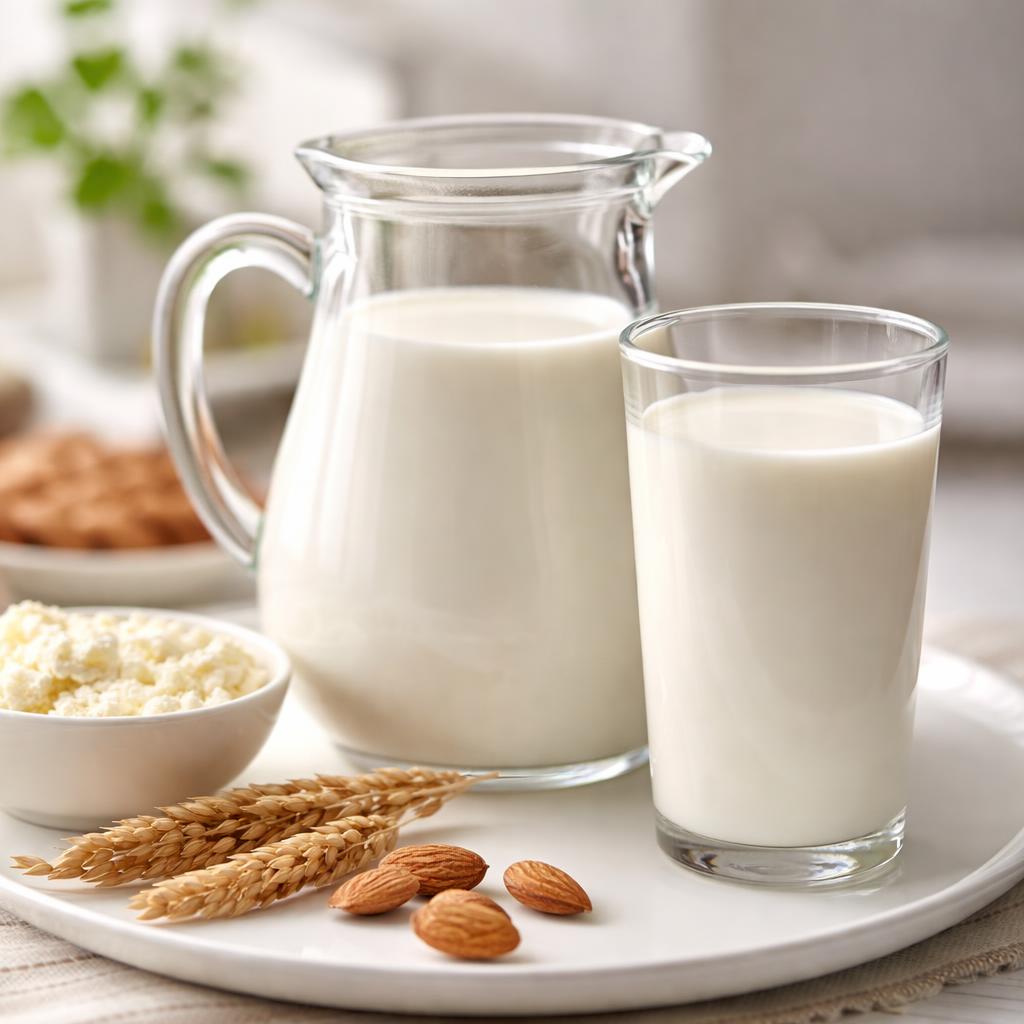
Milk
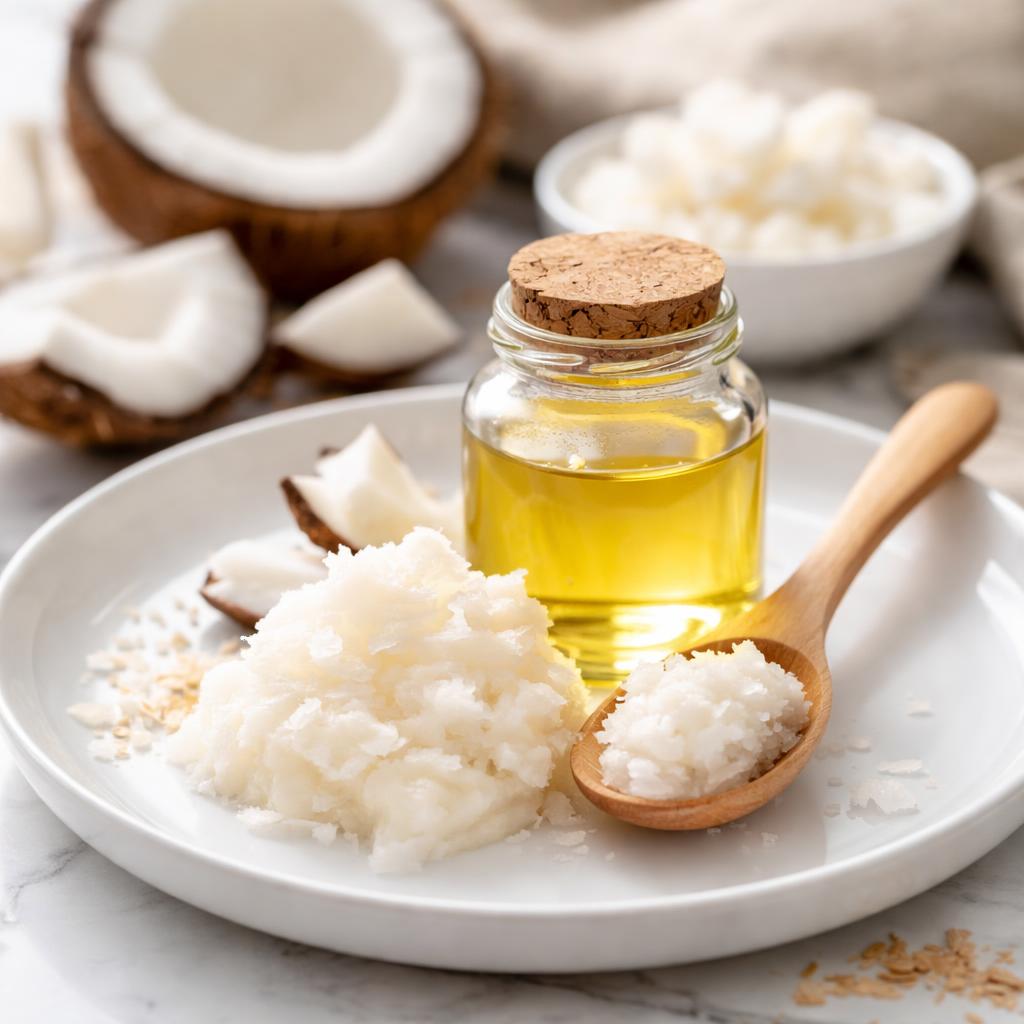
Coconut Oil
🎯 Quick Verdict
Milk and coconut oil serve very different dietary roles. Milk is nutrient-dense, containing protein, calcium, and vitamin D, making it a great option for overall nutrition and muscle support. Coconut oil, on the other hand, is high in healthy fats, particularly medium-chain triglycerides (MCTs), which are excellent for energy and heart health. Choose milk for a balanced nutrient profile and coconut oil for cooking or energy-focused diets like keto.

Smart Nutrition Tracking with SnapCalorie

📊 Nutritional Comparison
Macronutrients
| Nutrient | Food 1 | Food 2 | Winner |
|---|---|---|---|
| Calories | 149 kcal (1 cup) | 117 kcal (1 tbsp) | − |
| Protein | 7.7g | 0g | − |
| Carbs | 11.7g | 0g | − |
| Fat | 8g | 13.6g | − |
| Fiber | 0g | 0g | − |
Vitamins & Minerals
| Nutrient | Food 1 | Food 2 | Winner |
|---|---|---|---|
| Vitamin D | 2.5mcg | 0mcg | − |
| Calcium | 300mg | 0mg | − |
| Iron | 0.1mg | 0mg | − |
| Vitamin E | 0.1mg | 0.2mg | − |
🏆 Category Winners
Protein
Milk provides 7.7 grams of protein per cup, while coconut oil contains none.
Fiber
Neither milk nor coconut oil contains dietary fiber.
Calories
Milk is lower in calories per serving compared to coconut oil.
Vitamins
Milk contains calcium, vitamin D, and iron, which are absent in coconut oil.
🥗 Diet Compatibility
Keto
Food 1: Not Compatible
Food 2: Compatible
Coconut oil is pure fat and ideal for keto, while milk is higher in carbs.
Vegan
Food 1: Not Compatible
Food 2: Compatible
Milk is an animal product, whereas coconut oil is plant-based.
Gluten Free
Food 1: Compatible
Food 2: Compatible
Neither milk nor coconut oil contains gluten.
Paleo
Food 1: Not Compatible
Food 2: Compatible
Coconut oil meets paleo standards, whereas milk, being a dairy product, does not.
Low-Carb
Food 1: Not Compatible
Food 2: Compatible
Coconut oil is carb-free, while milk has 11.7g of carbs per cup.
💪 Health Benefits Comparison
Food 1 Benefits
- Rich in protein for muscle support and repair
- High calcium content for strong bones
- Contains vitamin D for immune and bone health
Food 2 Benefits
- Source of healthy fats, particularly MCTs, for sustained energy
- Supports heart health with medium-chain fatty acids
- Contains antioxidant properties from vitamin E
✅ The Bottom Line
Milk and coconut oil are complementary foods rather than directly comparable. Milk is a nutrient-rich choice suitable for protein and calcium, while coconut oil excels in high-fat, low-carb dietary approaches like keto. Use milk for balanced nutrition and coconut oil primarily for cooking or energy-focused diets.
Choose Food 1 for: Muscle growth, bone health, overall nutrient intake
Choose Food 2 for: Keto diet, energy boost, cooking with healthy fats


