Milk VS Coconut
A detailed nutritional comparison
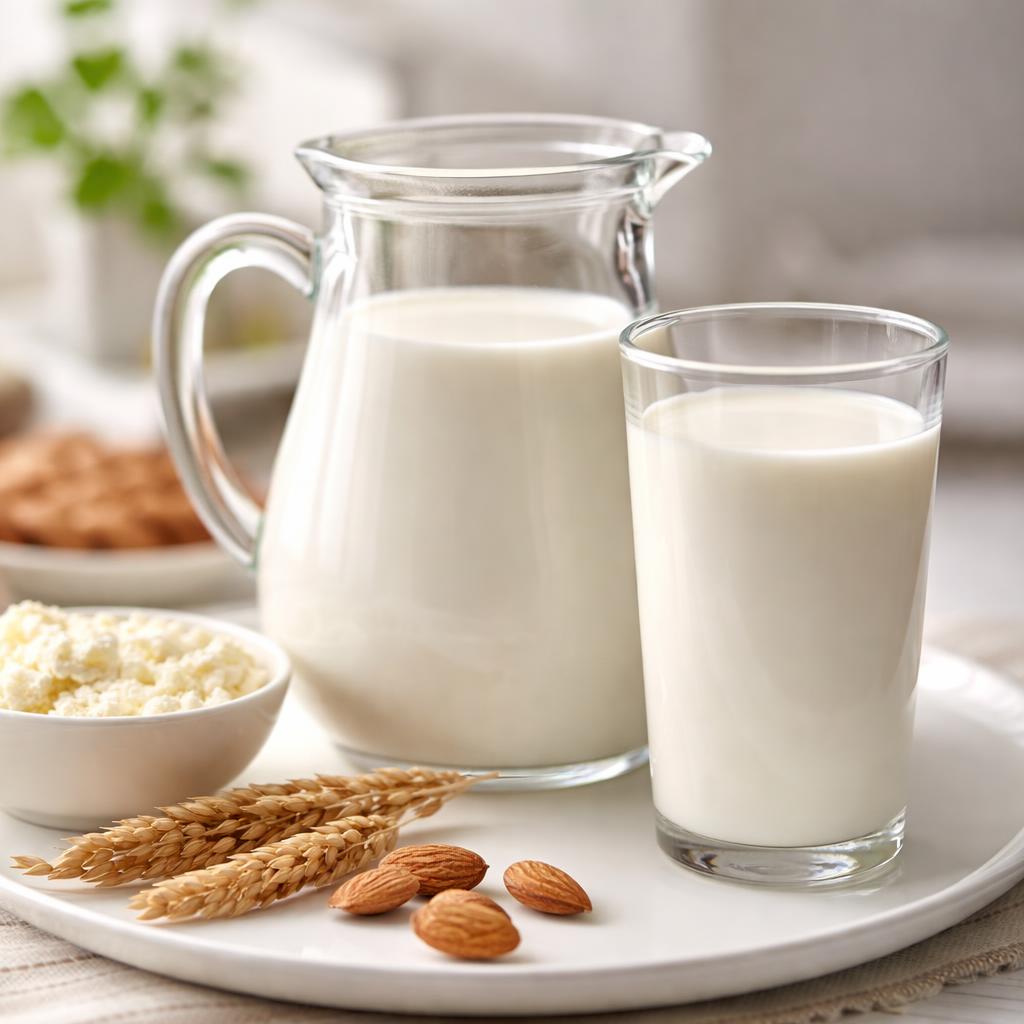
Milk
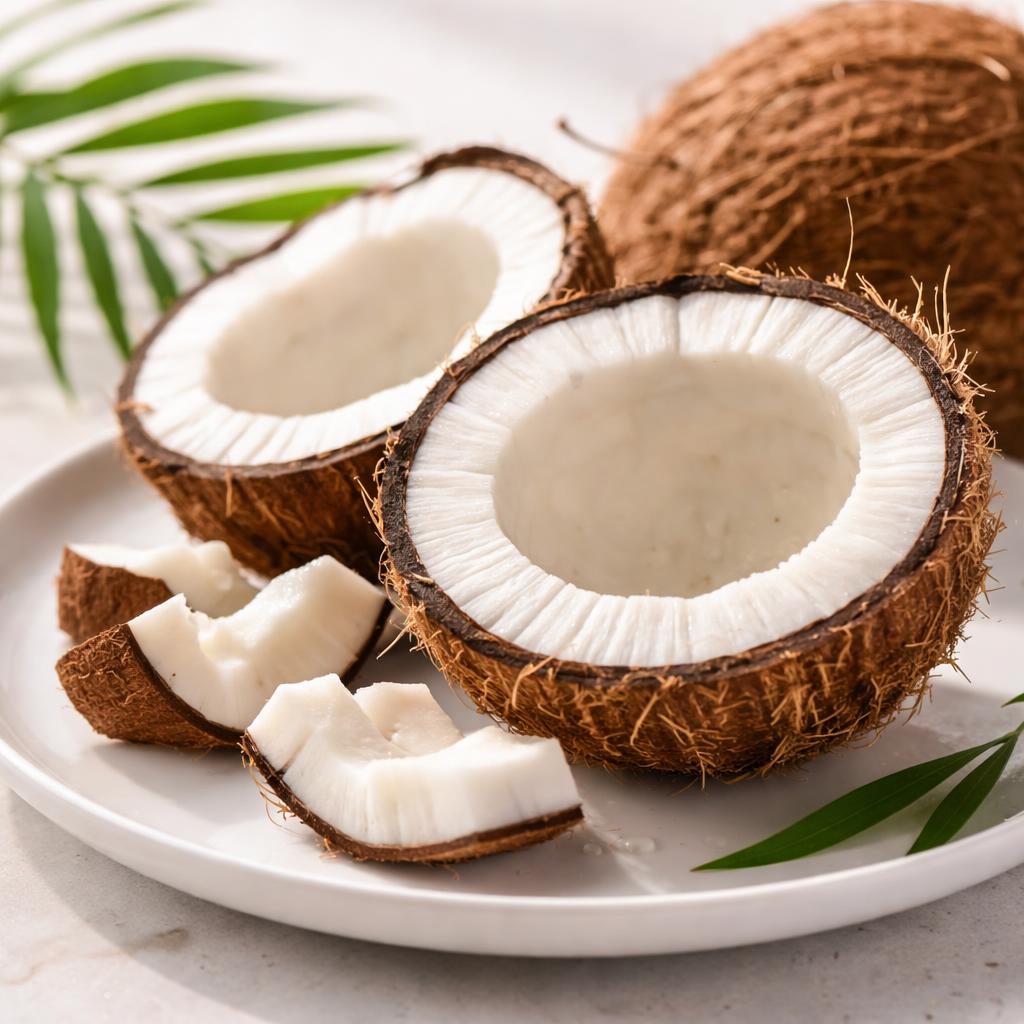
Coconut
🎯 Quick Verdict
Milk and coconut differ significantly in their nutritional profiles. Milk offers high protein and is lower in calories, making it ideal for muscle maintenance and weight management. Coconut, on the other hand, is higher in fiber and healthy fats, which supports digestion and heart health. Choose milk for protein-focused diets and coconut for energy or plant-based options.

Smart Nutrition Tracking with SnapCalorie

📊 Nutritional Comparison
Macronutrients
| Nutrient | Food 1 | Food 2 | Winner |
|---|---|---|---|
| Calories | 103 per cup (240ml) | 283 per cup (80g shredded) | − |
| Protein | 8g per cup | 2.7g per cup | − |
| Carbs | 12g per cup | 12g per cup | − |
| Fat | 2.4g per cup | 27g per cup | − |
| Fiber | 0g per cup | 7g per cup | − |
Vitamins & Minerals
| Nutrient | Food 1 | Food 2 | Winner |
|---|---|---|---|
| Vitamin D | 2.9mcg per cup | 0mcg per cup | − |
| Calcium | 305mg per cup | 14mg per cup | − |
| Iron | 0mg per cup | 1.9mg per cup | − |
| Magnesium | 24mg per cup | 32mg per cup | − |
🏆 Category Winners
Protein
Milk provides 8g of protein per cup, making it a better option for muscle maintenance and growth.
Fiber
Coconut delivers 7g of fiber per cup, aiding in digestion and gut health.
Calories
Milk is lower in calories with only 103 per cup compared to coconut's 283 per cup.
Vitamins
Milk is a rich source of calcium and vitamin D, both essential for bone health.
🥗 Diet Compatibility
Keto
Food 1: Not Compatible
Food 2: Compatible
Coconut is high in fats and low in carbs, making it ideal for a ketogenic diet.
Vegan
Food 1: Not Compatible
Food 2: Compatible
Milk is an animal product, whereas coconut is fully plant-based.
Gluten Free
Food 1: Compatible
Food 2: Compatible
Neither milk nor coconut contains gluten.
Paleo
Food 1: Not Compatible
Food 2: Compatible
Coconut aligns with paleo dietary guidelines, while regular milk is excluded.
Low-Carb
Food 1: Partially Compatible
Food 2: Compatible
Coconut offers lower net carbs due to its high fiber content, making it more suitable for low-carb diets.
💪 Health Benefits Comparison
Food 1 Benefits
- Rich in protein, supporting muscle growth and repair
- High in calcium and vitamin D for strong bones
- Contains B vitamins to support energy metabolism
Food 2 Benefits
- High in fiber, promoting gut health and digestion
- Rich in medium-chain triglycerides (MCTs) for quick energy support
- Contains antioxidants to support immune health
- Provides minerals like magnesium and iron for overall well-being
✅ The Bottom Line
Milk is better suited for those seeking protein, lower calories, and calcium-rich options for bone health. Coconut is ideal for fiber, healthy fats, and plant-based diet compatibility. In general, milk is recommended for weight management and post-workout recovery, while coconut provides sustained energy and digestion support.
Choose Food 1 for: Weight management, muscle growth, strong bones, post-workout recovery
Choose Food 2 for: Plant-based diets, keto-friendly energy, healthy digestion, sustained energy


