Milk VS Chickpea Curry
A detailed nutritional comparison
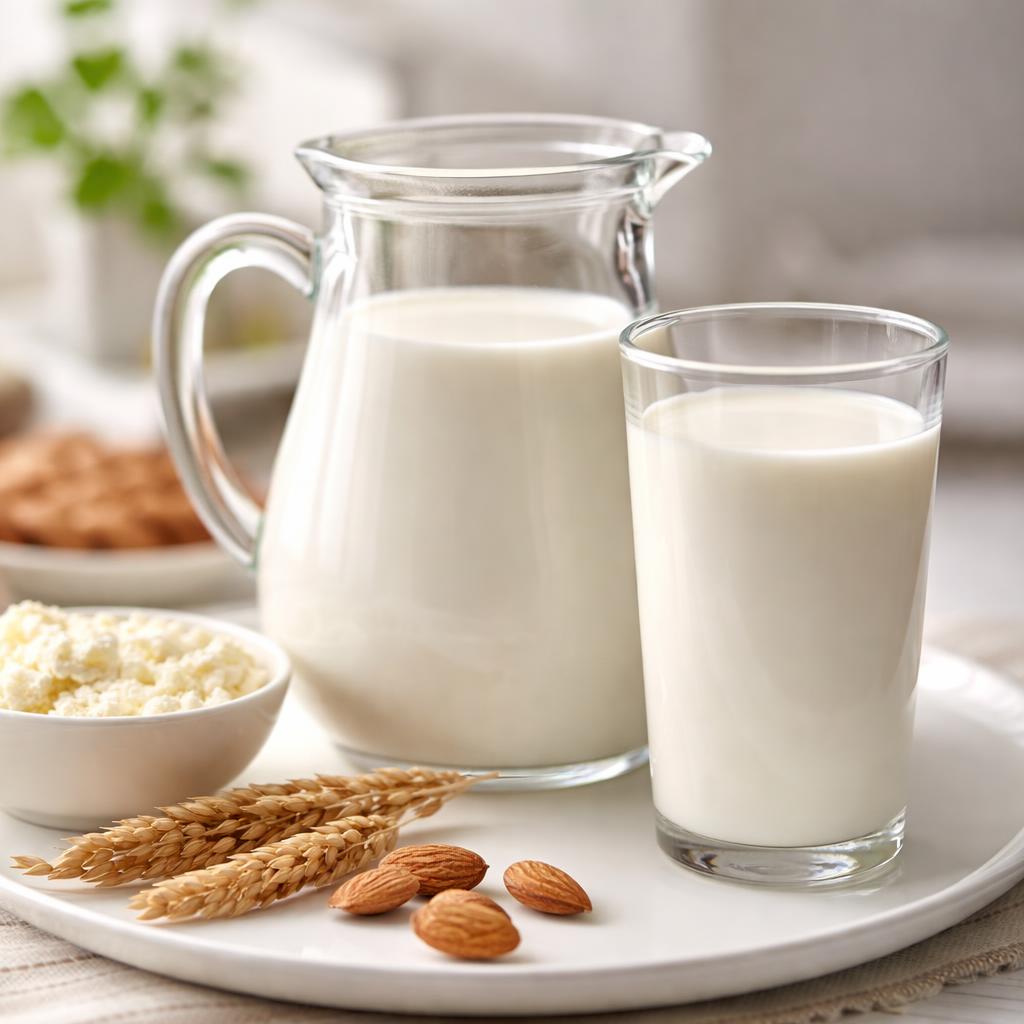
Milk
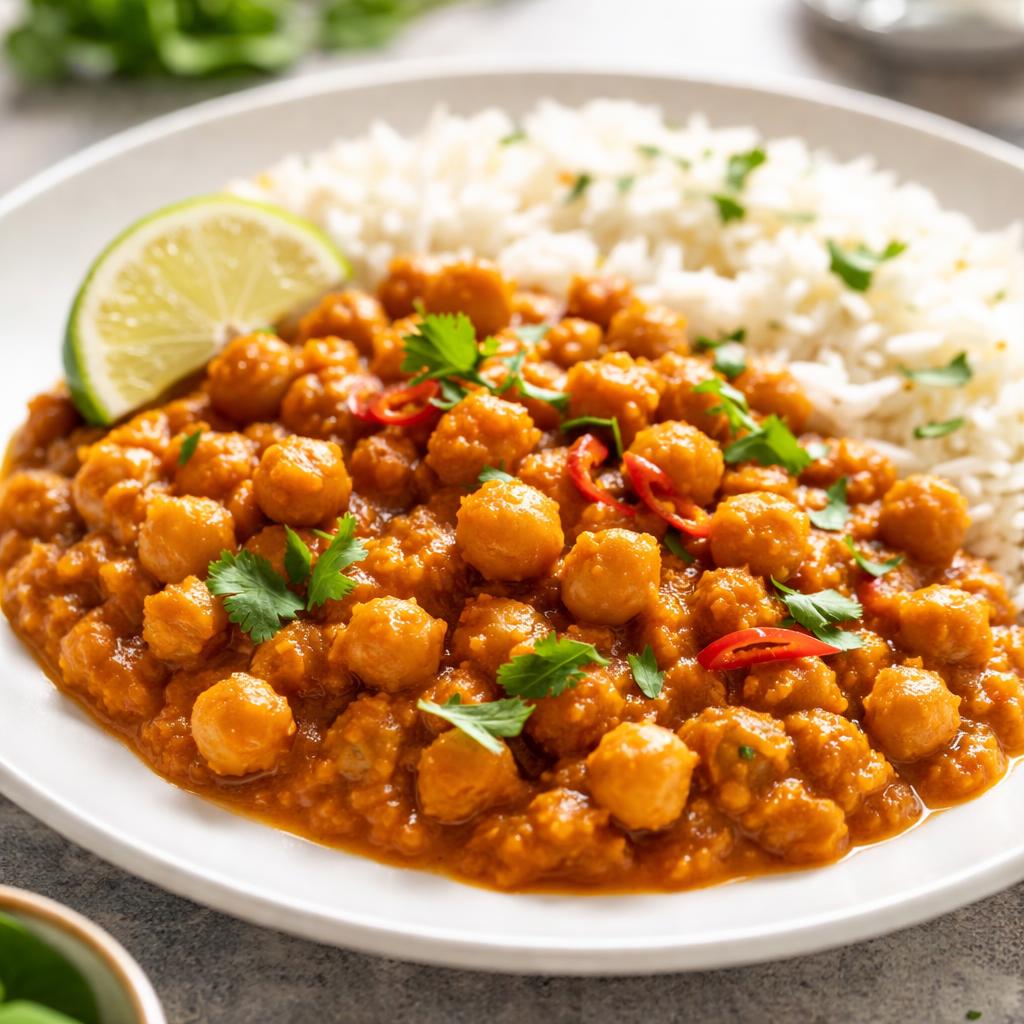
Chickpea Curry
🎯 Quick Verdict
Milk contains more protein and fewer calories per serving, making it ideal for high-protein diets or post-workout recovery. Chickpea curry, rich in fiber, complex carbs, and minerals, is excellent for sustained energy and digestion. Both foods have unique strengths depending on dietary goals and preferences.

Smart Nutrition Tracking with SnapCalorie

📊 Nutritional Comparison
Macronutrients
| Nutrient | Food 1 | Food 2 | Winner |
|---|---|---|---|
| Calories | 150 | 250 | ✓ |
| Protein | 8g | 6g | ✓ |
| Carbs | 12g | 35g | ✓ |
| Fat | 8g | 10g | ✓ |
| Fiber | 0g | 6g | ✓ |
Vitamins & Minerals
| Nutrient | Food 1 | Food 2 | Winner |
|---|---|---|---|
| Vitamin D | 2.5mcg | 0mcg | ✓ |
| Calcium | 300mg | 80mg | ✓ |
| Iron | 0.2mg | 2.5mg | ✓ |
| Vitamin C | 0mg | 5mg | ✓ |
🏆 Category Winners
Protein
Milk has 33% more protein per serving than chickpea curry.
Fiber
Chickpea curry is an excellent source of fiber with 6g per serving.
Calories
Milk contains 100 fewer calories per serving than chickpea curry.
Vitamins
Chickpea curry provides more diverse vitamins such as Vitamin C and Iron.
🥗 Diet Compatibility
Keto
Food 1: Compatible
Food 2: Not Compatible
Milk is low in carbs compared to chickpea curry.
Vegan
Food 1: Not Compatible
Food 2: Compatible
Milk is animal-based; chickpea curry is plant-based.
Gluten Free
Food 1: Compatible
Food 2: Typically Compatible
Milk does not contain gluten, and chickpea curry usually does not but may depend on recipe.
Paleo
Food 1: Not Compatible
Food 2: Compatible
Milk is not allowed on the paleo diet, while chickpea curry is acceptable if legumes are permitted.
Low-Carb
Food 1: Compatible
Food 2: Not Compatible
Milk fits into a low-carb framework with 12g of carbs, while chickpea curry has 35g per serving.
💪 Health Benefits Comparison
Food 1 Benefits
- High-quality protein for muscle repair
- Excellent source of calcium for bone health
- Rich in Vitamin D for immune support and bone strength
Food 2 Benefits
- Rich in fiber for digestive health
- Packed with plant-based iron for improved energy levels
- Provides antioxidants for reduced inflammation
✅ The Bottom Line
Choose milk when focusing on protein, calcium, or low-calorie diets, particularly for muscle recovery or weight loss. Opt for chickpea curry if prioritizing fiber, diverse vitamins, or a plant-based meal for sustained energy and digestive health.
Choose Food 1 for: Post-workout recovery, low-carb diets, bone health
Choose Food 2 for: Vegan diets, digestion, sustained energy, nutrient-rich meals


