Milk VS Black Coffee
A detailed nutritional comparison
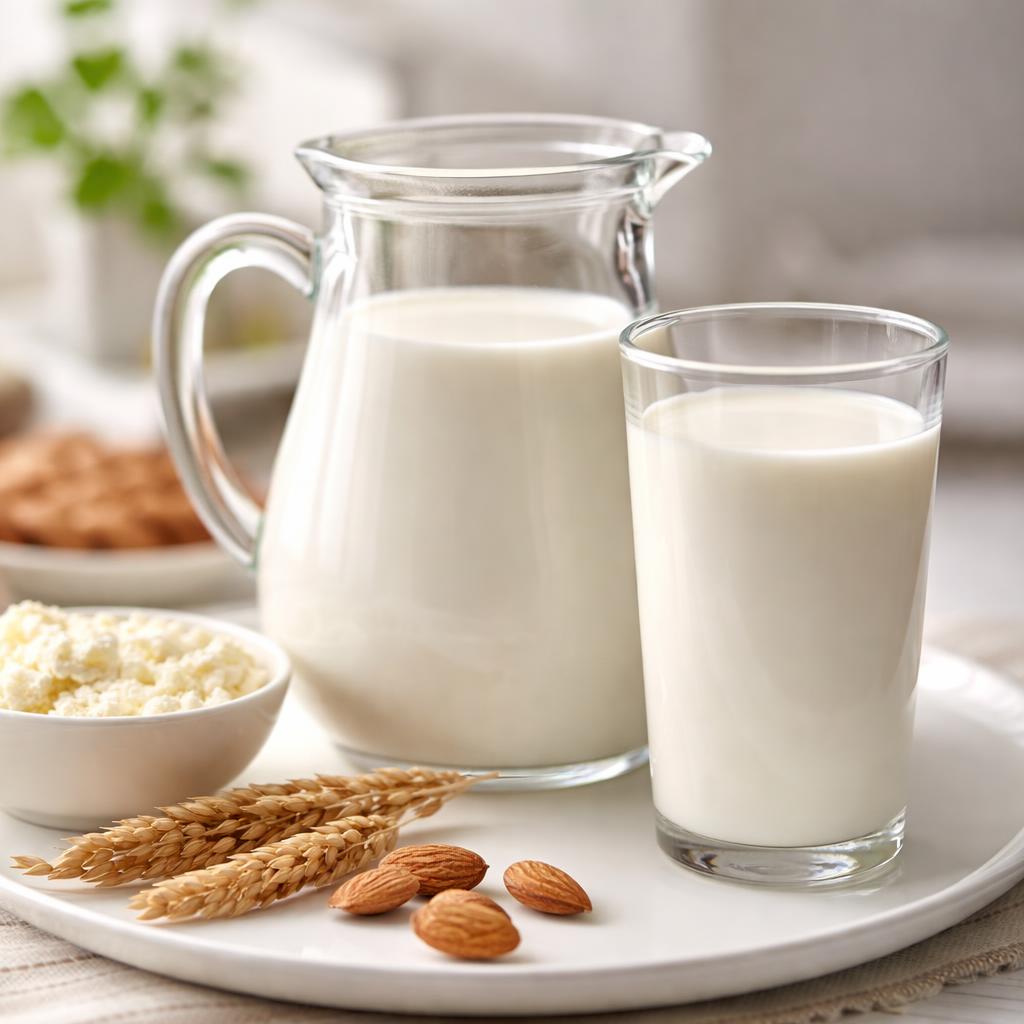
Milk

Black Coffee
🎯 Quick Verdict
Milk is nutrient-dense, offering protein, calcium, and Vitamin D, whereas black coffee is virtually calorie-free and provides antioxidants. Milk is better for those needing protein and essential nutrients, while black coffee is ideal for low-calorie energy boosts without affecting weight goals or carb intake.

Smart Nutrition Tracking with SnapCalorie

📊 Nutritional Comparison
Macronutrients
| Nutrient | Food 1 | Food 2 | Winner |
|---|---|---|---|
| Calories | 103 | 2 | − |
| Protein | 8g | 0.3g | − |
| Carbs | 12g | 0 | − |
| Fat | 2.4g | 0.1g | − |
| Fiber | 0g | 0g | − |
Vitamins & Minerals
| Nutrient | Food 1 | Food 2 | Winner |
|---|---|---|---|
| Vitamin D | 1mcg | 0mcg | − |
| Calcium | 300mg | 4mg | − |
| Iron | 0mg | 0.1mg | − |
🏆 Category Winners
Protein
Milk provides 8g of protein versus only 0.3g in black coffee.
Fiber
Neither milk nor black coffee contains fiber.
Calories
Black coffee is nearly calorie-free with only 2 calories per serving.
Vitamins
Milk is rich in Vitamin D and calcium, while black coffee provides minimal micronutrients.
🥗 Diet Compatibility
Keto
Food 1: Unknown
Food 2: Unknown
Milk is relatively high in carbs (12g per serving), while black coffee is carb-free.
Vegan
Food 1: Unknown
Food 2: Unknown
Milk is animal-based, whereas black coffee is plant-based.
Gluten Free
Food 1: Unknown
Food 2: Unknown
Neither food contains gluten.
Paleo
Food 1: Unknown
Food 2: Unknown
Milk is not included in a strict paleo diet, but black coffee is approved.
Low Carb
Food 1: Unknown
Food 2: Unknown
Milk’s higher carbohydrate content (12g) excludes it from low-carb diets, while black coffee is suitable.
💪 Health Benefits Comparison
Food 1 Benefits
Food 2 Benefits
✅ The Bottom Line
Milk is a nutrient-rich option best suited for individuals seeking a source of protein, calcium, and Vitamin D. Black coffee, on the other hand, is an ultra-low-calorie beverage providing a caffeine boost and antioxidants without impacting carbohydrate intake. Choose milk for nourishment and black coffee for energy with minimal calories.


