Milk VS Acai Bowl
A detailed nutritional comparison
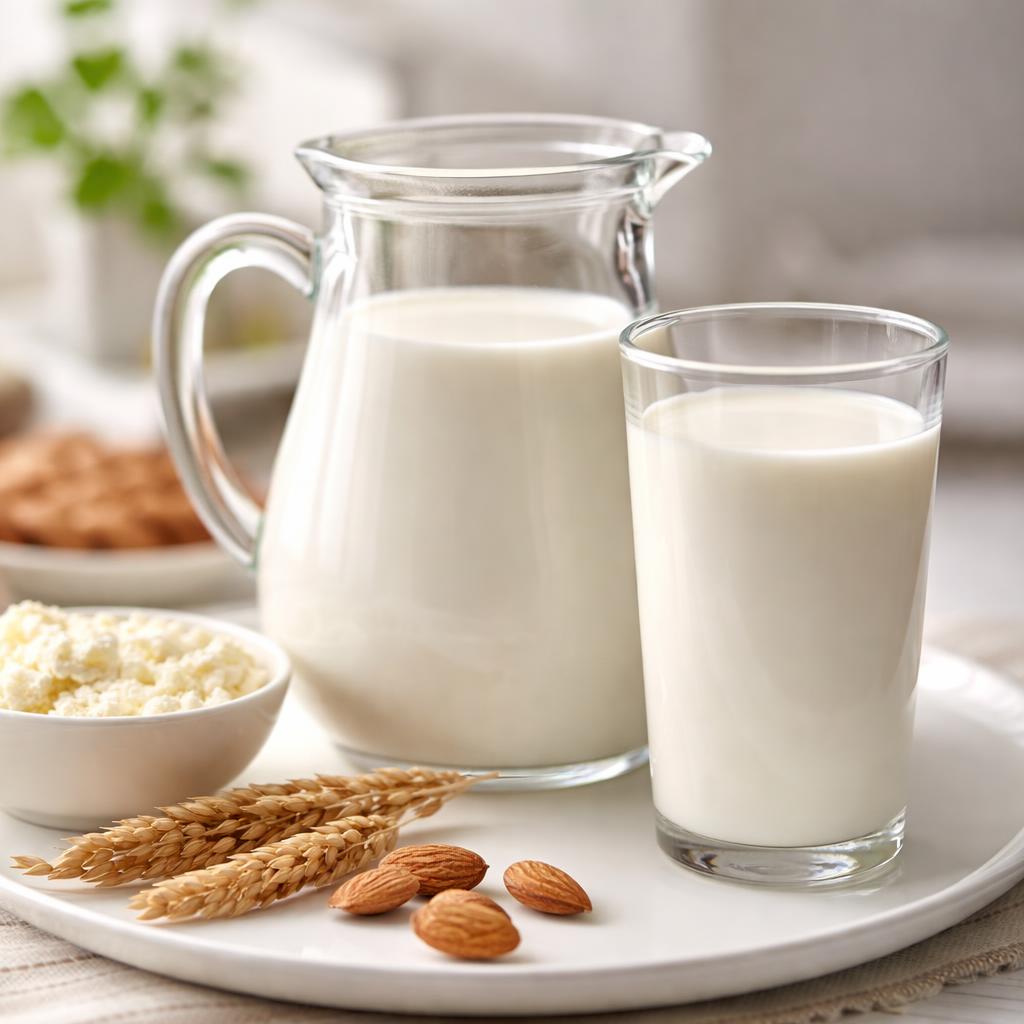
Milk
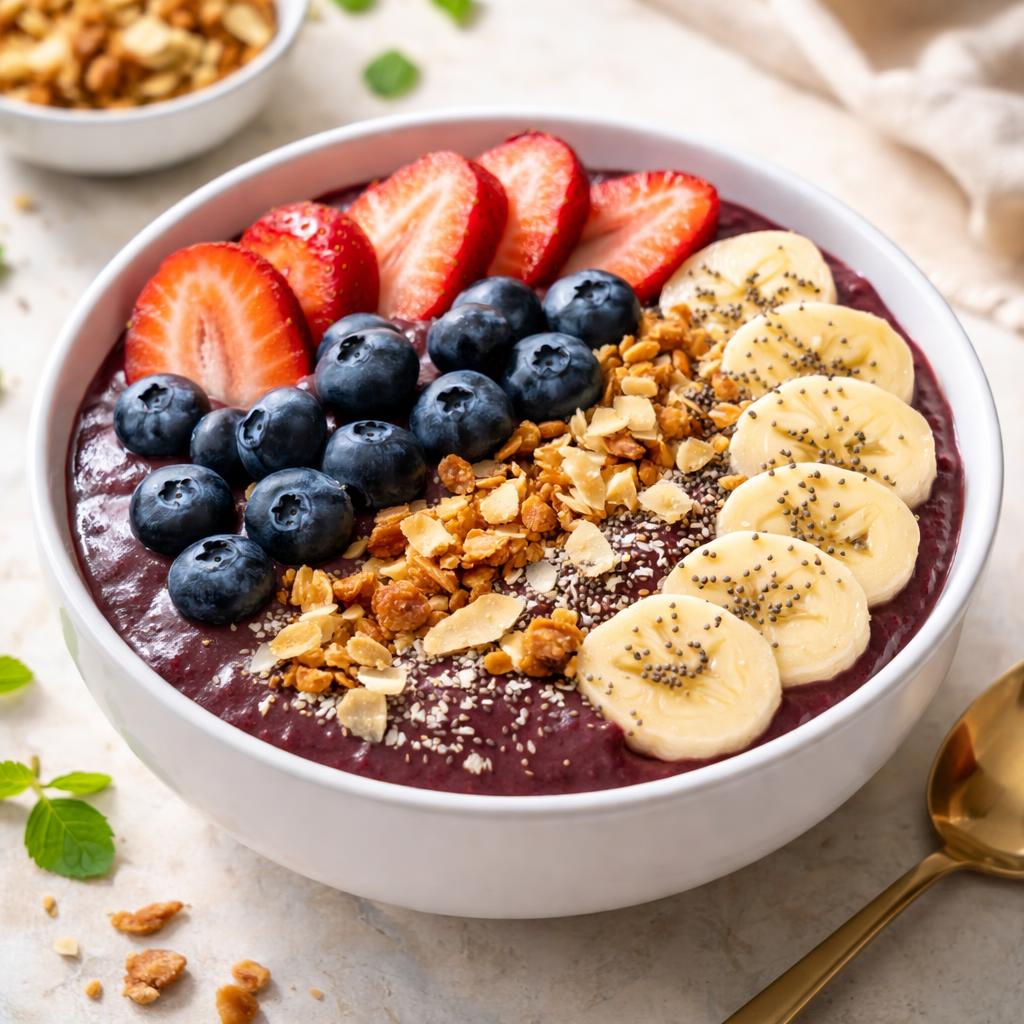
Acai Bowl
🎯 Quick Verdict
Milk provides more protein and fewer calories, making it an excellent choice for muscle maintenance and weight management. Acai bowls, however, shine in fiber and micronutrients, offering heart-healthy fats and antioxidants. Each food serves different dietary goals depending on the individual's needs.

Smart Nutrition Tracking with SnapCalorie

📊 Nutritional Comparison
Macronutrients
| Nutrient | Food 1 | Food 2 | Winner |
|---|---|---|---|
| Calories | 100 per cup | 250 per bowl | ✓ |
| Protein | 8g | 2g | ✓ |
| Carbs | 12g | 45g | ✓ |
| Fat | 2.5g | 8g | ✓ |
| Fiber | 0g | 7g | ✓ |
Vitamins & Minerals
| Nutrient | Food 1 | Food 2 | Winner |
|---|---|---|---|
| Vitamin D | 2.5mcg | 0mcg | ✓ |
| Calcium | 300mg | 50mg | ✓ |
| Iron | 0mg | 1mg | ✓ |
| Vitamin C | 0mg | 6mg | ✓ |
| Potassium | 322mg | 200mg | ✓ |
🏆 Category Winners
Protein
Milk contains 8g of protein per cup, significantly more than acai's 2g per bowl.
Fiber
Acai bowls provide 7g of fiber per serving, while milk contains none.
Calories
Milk has 100 calories per cup compared to acai bowl's 250 calories per bowl.
Vitamins
Milk excels in Vitamin D, calcium, and potassium, while acai bowls offer Vitamin C and iron.
🥗 Diet Compatibility
Keto
Food 1: Not Compatible
Food 2: Not Compatible
Both foods are relatively high in carbs.
Vegan
Food 1: Not Compatible
Food 2: Compatible
Milk is an animal-based product, while acai bowls are plant-based.
Gluten Free
Food 1: Compatible
Food 2: Compatible
Both foods are naturally gluten-free.
Paleo
Food 1: Not Compatible
Food 2: Compatible
Milk isn't allowed on paleo diets, whereas acai bowls are compatible.
Low Carb
Food 1: Partially Compatible
Food 2: Not Compatible
Milk has fewer carbs than acai bowls but isn’t strictly low-carb.
💪 Health Benefits Comparison
Food 1 Benefits
- Rich in protein for muscle repair and growth
- High in calcium and Vitamin D for bone health
- Provides potassium for heart and muscle function
Food 2 Benefits
- Packed with antioxidants for cellular protection
- High fiber content for digestive health
- Contains healthy fats for heart health
- Good source of Vitamin C for immune support
✅ The Bottom Line
Milk is a nutrient-dense option for those looking to increase protein intake, support bone health, and manage weight. Acai bowls are better suited for individuals seeking fiber, antioxidants, and plant-based nutrients, making them ideal for energy and repair.
Choose Food 1 for: Muscle maintenance, post-workout recovery, bone health
Choose Food 2 for: Heart health, antioxidant intake, digestion support


