Mexican Rice VS Tomato Pasta
A detailed nutritional comparison
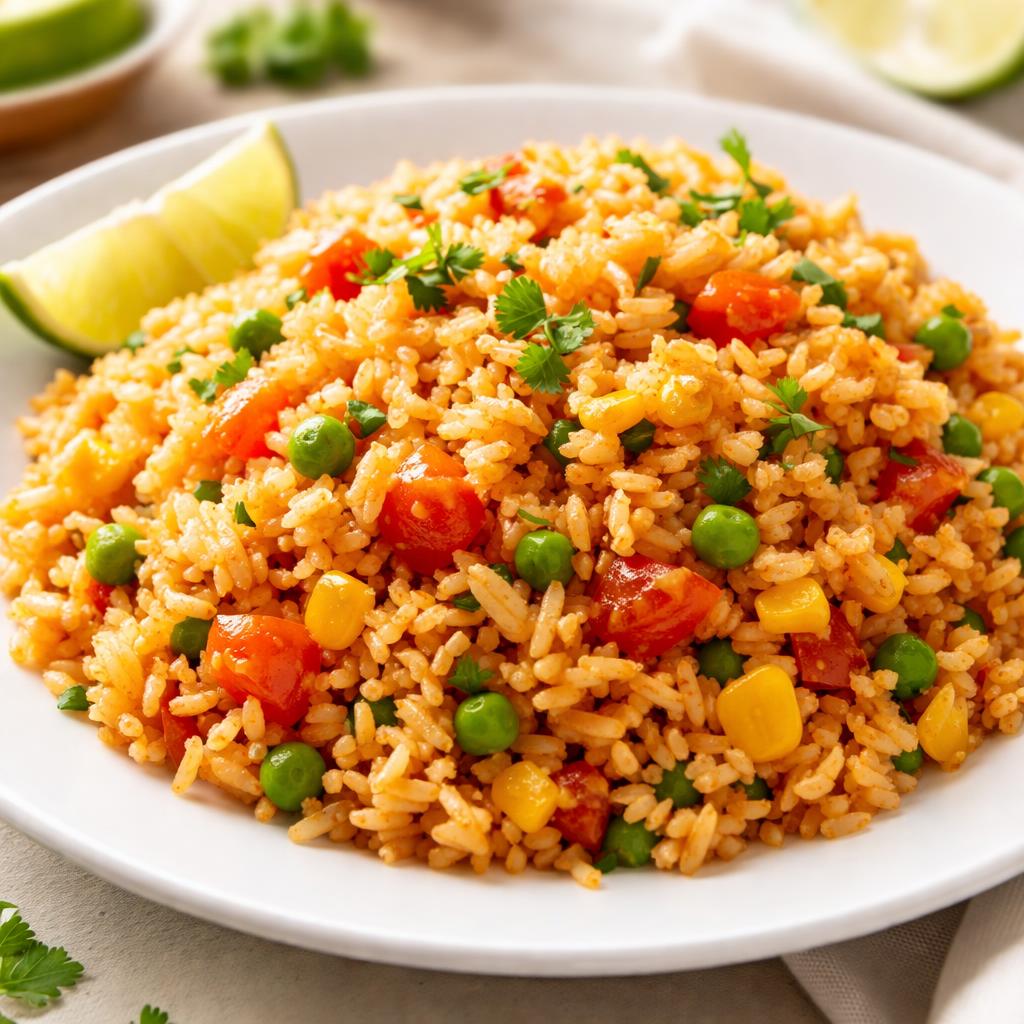
Mexican Rice
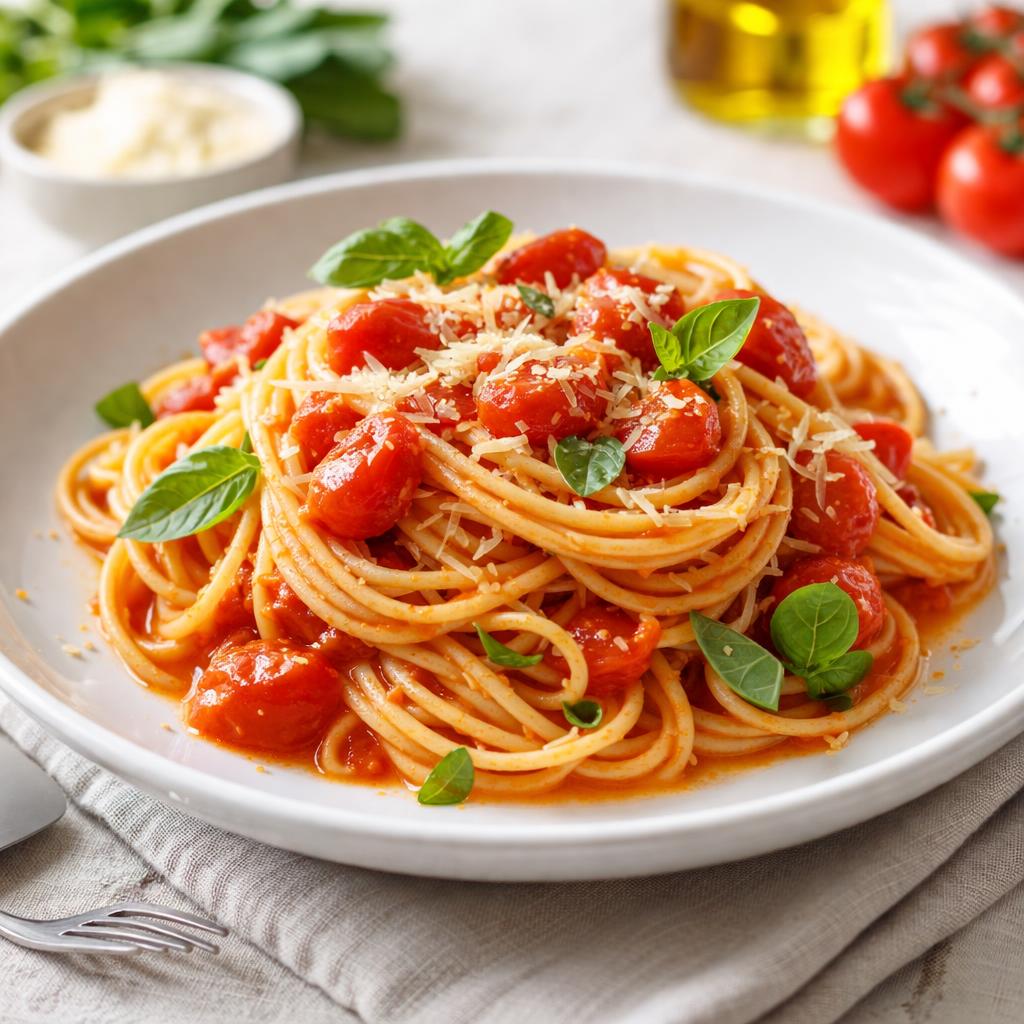
Tomato Pasta
🎯 Quick Verdict
Mexican rice and tomato pasta differ significantly in nutrition. Tomato pasta is higher in protein and fiber, making it ideal for sustained energy and digestion. Mexican rice has fewer calories and is lower in fat, making it a lighter option. Both are plant-based and versatile meal choices depending on dietary goals.

Smart Nutrition Tracking with SnapCalorie

📊 Nutritional Comparison
Macronutrients
| Nutrient | Food 1 | Food 2 | Winner |
|---|---|---|---|
| Calories | 210 | 270 | ✓ |
| Protein | 3g | 8g | ✓ |
| Carbs | 40g | 50g | ✓ |
| Fat | 4g | 6g | ✓ |
| Fiber | 2g | 5g | ✓ |
Vitamins & Minerals
| Nutrient | Food 1 | Food 2 | Winner |
|---|---|---|---|
| Vitamin A | 30mcg | 150mcg | ✓ |
| Vitamin C | 3mg | 15mg | ✓ |
| Iron | 1mg | 1.5mg | ✓ |
🏆 Category Winners
Protein
Tomato pasta has nearly triple the protein content, supporting muscle health.
Fiber
Tomato pasta contains 150% more fiber, aiding in digestion.
Calories
Mexican rice is lower in calories, making it more suitable for weight-conscious meals.
🥗 Diet Compatibility
Keto
Food 1: Not Compatible
Food 2: Not Compatible
Both foods are high in carbs and not suited for keto.
Vegan
Food 1: Compatible
Food 2: Compatible
Both are plant-based and vegan-friendly.
Gluten Free
Food 1: Not Compatible
Food 2: Not Compatible
Both typically contain gluten unless made with gluten-free modifications.
Paleo
Food 1: Not Compatible
Food 2: Not Compatible
Both contain grains, which are not paleo-friendly.
Low-Carb
Food 1: Not Compatible
Food 2: Not Compatible
Both foods are too high in carbohydrates for a low-carb diet.
💪 Health Benefits Comparison
Food 1 Benefits
- Lower calorie option for weight management
- Provides quick energy due to carb content
- Good source of iron for healthy blood
Food 2 Benefits
- High protein content supports muscle repair
- Rich in fiber promotes digestion and reduces hunger
- Contains vitamin C and antioxidants for immune health
✅ The Bottom Line
Choose Mexican rice for lower calorie meals or when looking for quick energy. Opt for tomato pasta when seeking higher protein and fiber, or when aiming for nutrient density. Both work well in plant-based dietary plans but are less suitable for low-carb or gluten-free diets.
Choose Food 1 for: Light meals, weight management, quick energy
Choose Food 2 for: Muscle repair, nutrient-dense meals, sustained energy


