Mexican Rice VS Sweet Potato Noodles
A detailed nutritional comparison
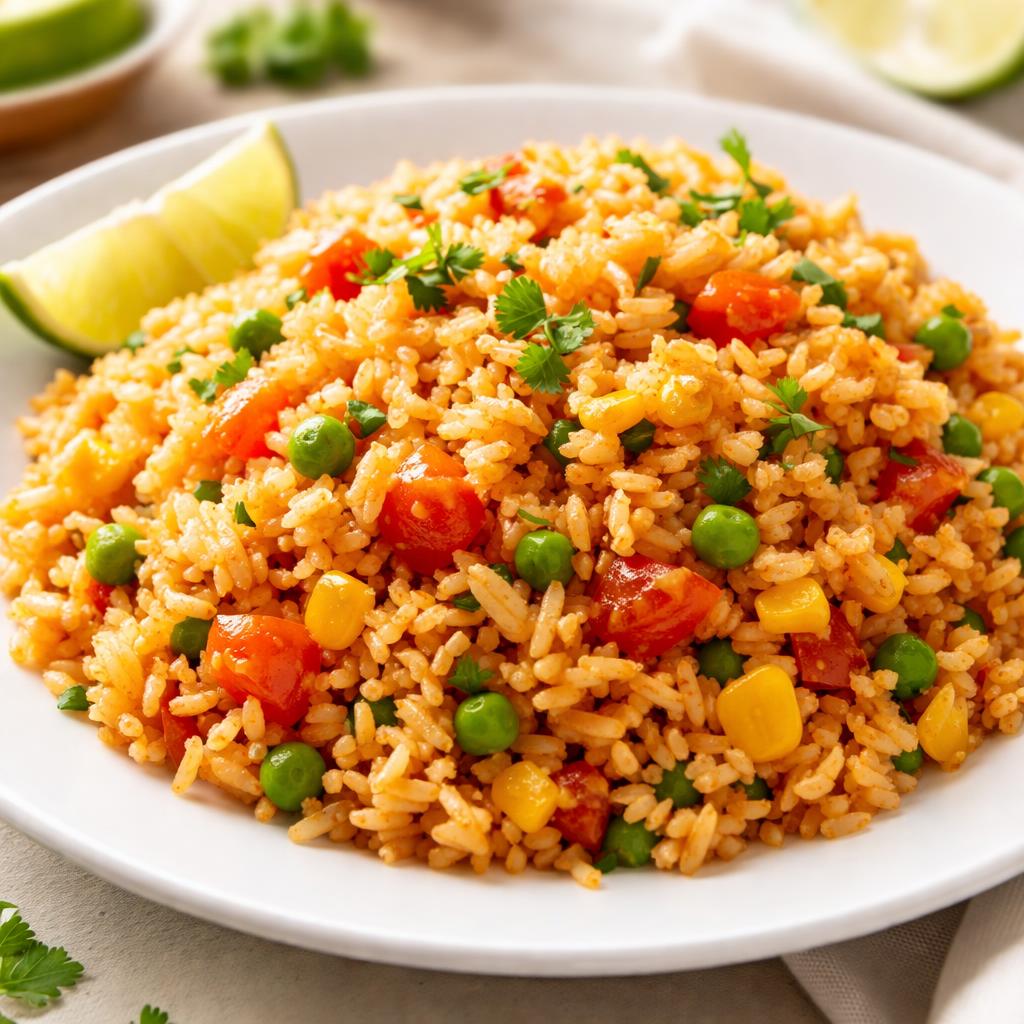
Mexican Rice
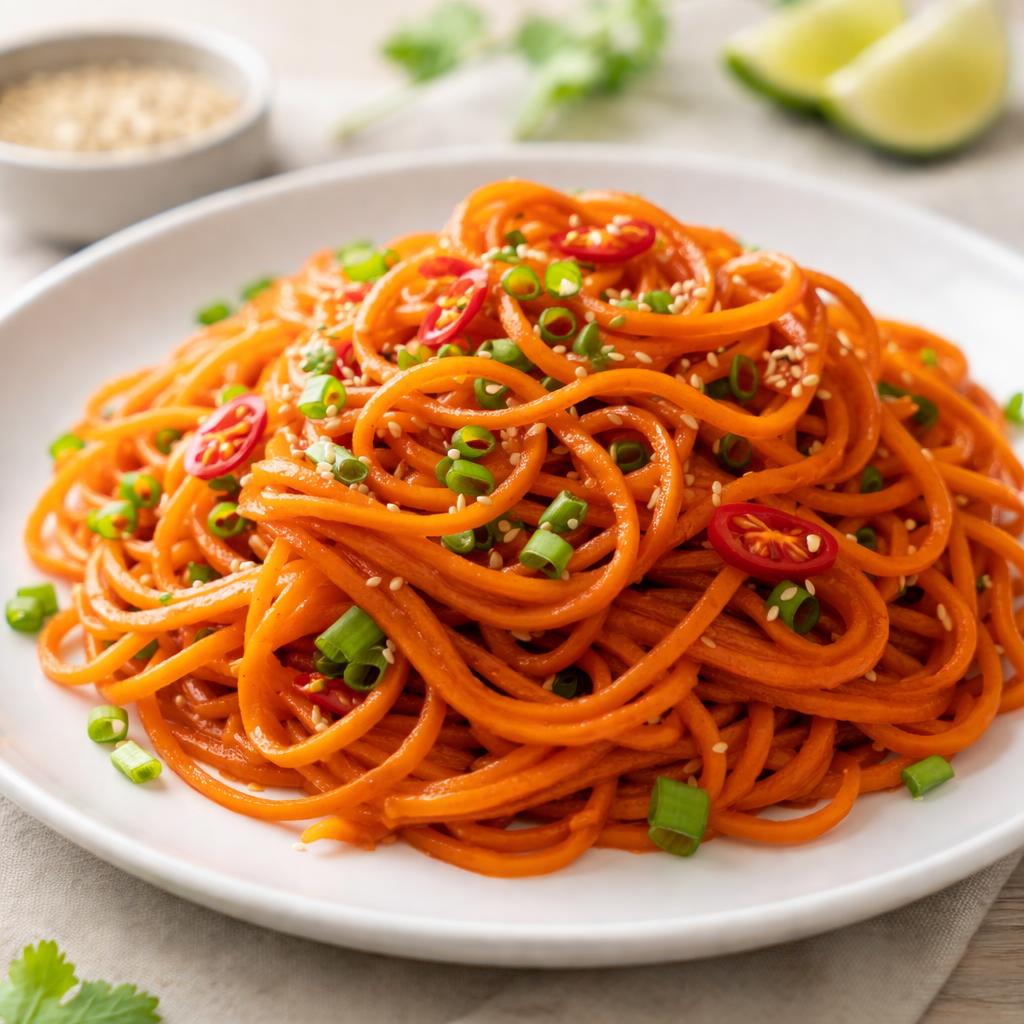
Sweet Potato Noodles
🎯 Quick Verdict
Mexican rice and sweet potato noodles differ primarily in their nutrient profiles. Sweet potato noodles are lower in calories and higher in fiber, making them better for weight management and digestion. Mexican rice provides more carbs, suitable for those needing energy. Both are versatile choices in different dishes depending on dietary needs and goals.

Smart Nutrition Tracking with SnapCalorie

📊 Nutritional Comparison
Macronutrients
| Nutrient | Food 1 | Food 2 | Winner |
|---|---|---|---|
| Calories | 210 | 180 | ✓ |
| Protein | 4g | 4g | − |
| Carbs | 42g | 38g | ✓ |
| Fat | 3g | 0g | ✓ |
| Fiber | 2g | 4g | ✓ |
Vitamins & Minerals
| Nutrient | Food 1 | Food 2 | Winner |
|---|---|---|---|
| Vitamin A | 0mcg | 9000mcg | ✓ |
| Vitamin C | 1mg | 10mg | ✓ |
| Calcium | 20mg | 30mg | ✓ |
| Iron | 1mg | 0.7mg | ✓ |
🏆 Category Winners
Protein
Both foods have 4g of protein per serving.
Fiber
Sweet potato noodles provide double the fiber compared to Mexican rice.
Calories
Sweet potato noodles are 14% lower in calories per serving.
Vitamins
Sweet potato noodles are significantly higher in Vitamin A and Vitamin C.
🥗 Diet Compatibility
Keto
Food 1: Not Compatible
Food 2: Not Compatible
Both foods are too high in carbohydrates for a ketogenic diet.
Vegan
Food 1: Compatible
Food 2: Compatible
Both options are plant-based and suitable for vegans.
Gluten Free
Food 1: Dependent on recipe
Food 2: Compatible
Sweet potato noodles are gluten-free, but Mexican rice may contain gluten depending on seasoning or preparation.
Paleo
Food 1: Not Compatible
Food 2: Compatible
Sweet potato noodles align with paleo principles, while Mexican rice does not due to grain content.
Low-Carb
Food 1: Not Compatible
Food 2: Not Compatible
Both foods are moderately high in carbohydrates per serving.
💪 Health Benefits Comparison
Food 1 Benefits
- Rich in quick-release energy from carbohydrates
- Provides small amounts of iron for blood health
- Versatile grain-based dish for various cuisines
Food 2 Benefits
- High in beta-carotene (Vitamin A) for eye health and immune support
- Contains dietary fiber for improved digestion
- Lower calorie option for weight management
✅ The Bottom Line
Sweet potato noodles are the better choice for those seeking lower calories, higher fiber, and more vitamins, particularly Vitamin A. Mexican rice is ideal for those needing sustained energy from carbohydrates. Both are excellent additions depending on your goals.
Choose Food 1 for: Energy boosts, traditional comfort dishes, carb-heavy meals
Choose Food 2 for: Weight management, digestive health, vitamin-rich diets


