Mexican Rice VS Flatbread Pizza
A detailed nutritional comparison
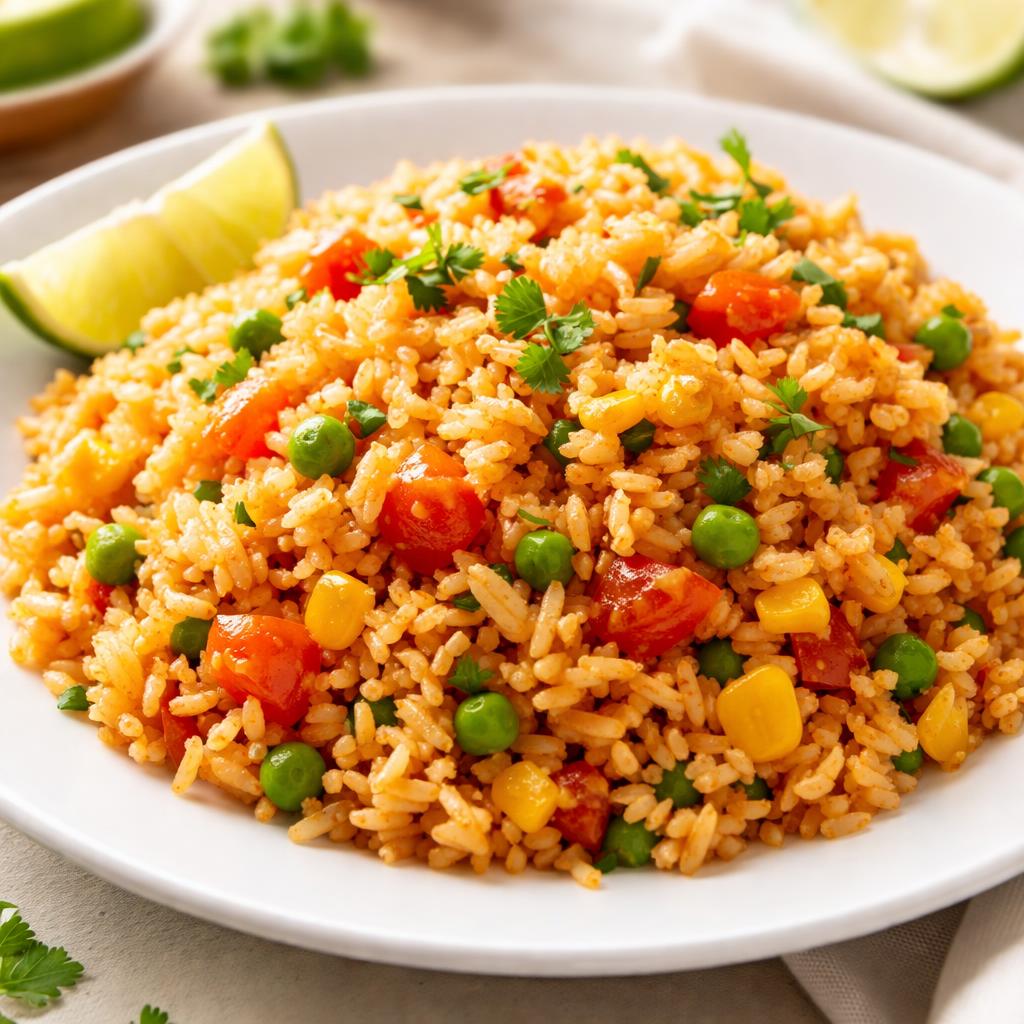
Mexican Rice
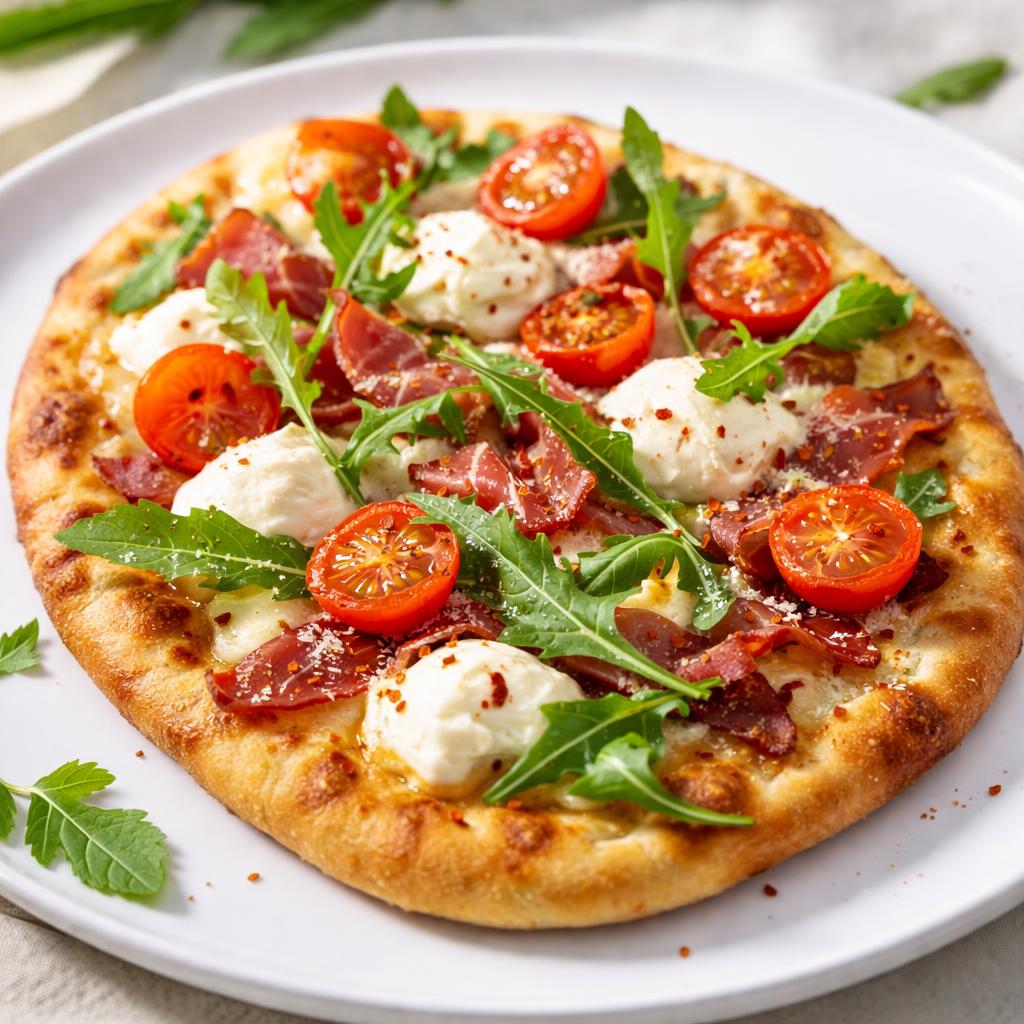
Flatbread Pizza
🎯 Quick Verdict
Mexican rice is lower in calories, higher in dietary fiber, and a good option for weight management and digestion. Flatbread pizza provides more protein and healthy fats, making it suitable for muscle growth and energy. Both have different nutrient profiles that cater to specific dietary goals.

Smart Nutrition Tracking with SnapCalorie

📊 Nutritional Comparison
Macronutrients
| Nutrient | Food 1 | Food 2 | Winner |
|---|---|---|---|
| Calories | 210 | 350 | ✓ |
| Protein | 5g | 12g | ✓ |
| Carbs | 40g | 35g | ✓ |
| Fat | 3g | 16g | ✓ |
| Fiber | 3g | 2g | ✓ |
Vitamins & Minerals
| Nutrient | Food 1 | Food 2 | Winner |
|---|---|---|---|
| Vitamin A | 10% DV | 5% DV | ✓ |
| Vitamin D | 0mcg | 1mcg | ✓ |
| Calcium | 40mg | 150mg | ✓ |
| Iron | 1mg | 2mg | ✓ |
🏆 Category Winners
Protein
Flatbread pizza contains over twice as much protein per serving compared to Mexican rice.
Fiber
Mexican rice delivers 50% more dietary fiber, aiding digestion.
Calories
Mexican rice is approximately 40% lower in calories, making it better for weight management.
Vitamins
Flatbread pizza provides significantly more calcium and iron, supporting bone health and energy production.
🥗 Diet Compatibility
Keto
Food 1: Not Compatible
Food 2: Not Compatible
Both foods are high-carb and not suitable for keto diets.
Vegan
Food 1: Compatible
Food 2: Not Compatible
Mexican rice is vegan-friendly, while flatbread pizza usually contains cheese and possibly meat toppings.
Gluten Free
Food 1: Not Compatible
Food 2: Not Compatible
Both contain gluten unless specifically modified.
Paleo
Food 1: Not Compatible
Food 2: Not Compatible
Neither aligns with paleo due to grains and dairy content.
Low-Carb
Food 1: Not Compatible
Food 2: Not Compatible
Both exceed typical low-carb thresholds with over 30g carbs per serving.
💪 Health Benefits Comparison
Food 1 Benefits
- Lower calorie content supports weight management.
- High in fiber aids digestion and promotes satiety.
- Provides Vitamin A for eye health and immunity.
Food 2 Benefits
- Rich in protein for muscle repair and maintenance.
- Contains calcium for strong bones and teeth.
- Higher fat content provides essential fatty acids for heart health.
✅ The Bottom Line
Mexican rice is a lighter, fiber-rich option ideal for those focusing on weight control and digestion, while flatbread pizza caters to individuals seeking greater protein and calcium for muscle repair and bone health. Each fits different dietary needs and goals.
Choose Food 1 for: Weight control, digestion, fiber-rich diets
Choose Food 2 for: Muscle recovery, energy, bone health


