Lettuce VS Tomatoes
A detailed nutritional comparison
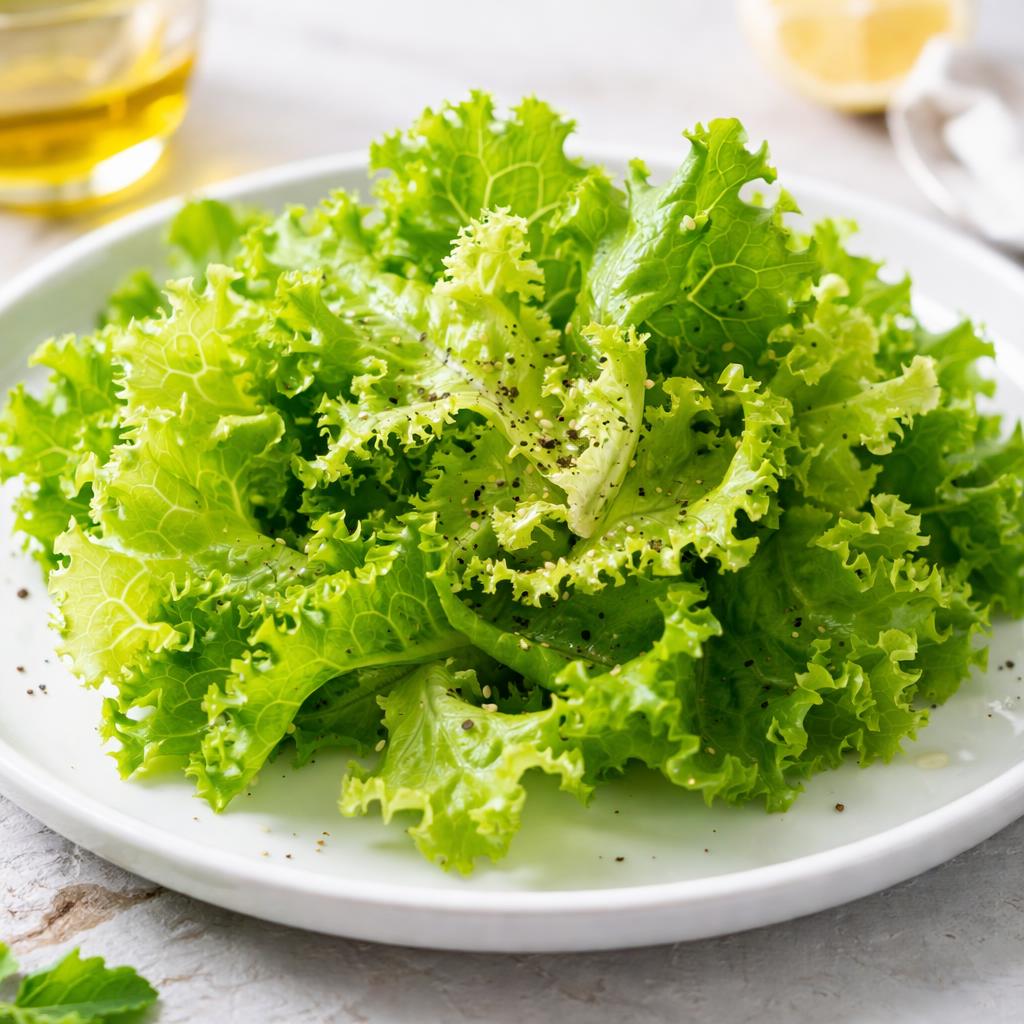
Lettuce
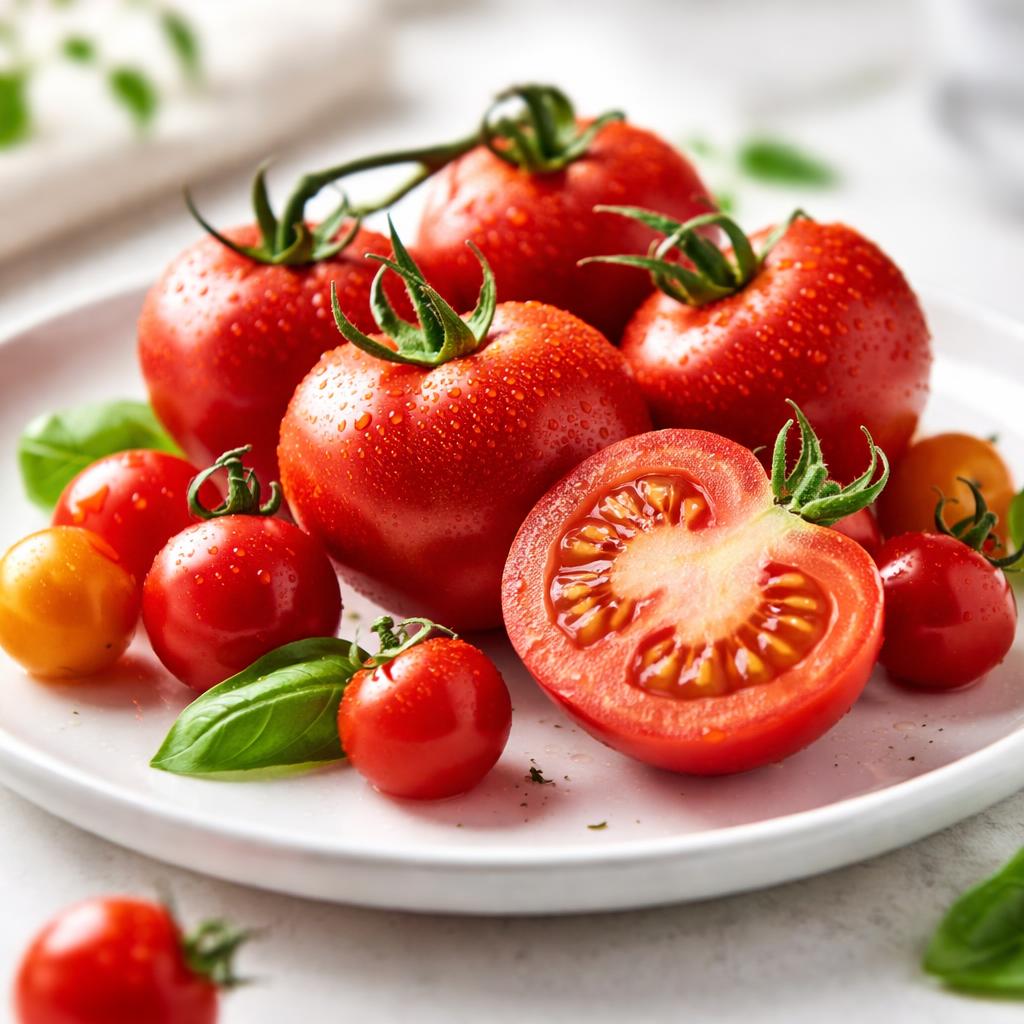
Tomatoes
🎯 Quick Verdict
Lettuce and tomatoes provide complementary nutrients, with lettuce being exceptionally low-calorie and tomatoes offering more fiber, vitamins, and antioxidants. Lettuce is ideal for light, bulk additions to meals, while tomatoes shine as a nutrient-dense component rich in flavor and health benefits.

Smart Nutrition Tracking with SnapCalorie

📊 Nutritional Comparison
Macronutrients
| Nutrient | Food 1 | Food 2 | Winner |
|---|---|---|---|
| Calories | 15 | 18 | ✓ |
| Protein | 1g | 1g | − |
| Carbs | 2g | 4g | ✓ |
| Fat | 0.1g | 0.2g | ✓ |
| Fiber | 1g | 1.2g | ✓ |
Vitamins & Minerals
| Nutrient | Food 1 | Food 2 | Winner |
|---|---|---|---|
| Vitamin C | 6mg | 13mg | ✓ |
| Vitamin A | 740IU | 1025IU | ✓ |
| Potassium | 194mg | 237mg | ✓ |
| Calcium | 18mg | 11mg | ✓ |
| Iron | 0.3mg | 0.3mg | − |
🏆 Category Winners
Protein
Both contain an equal amount of protein (1g per serving).
Fiber
Tomatoes have slightly more fiber (1.2g vs 1g per serving).
Calories
Lettuce has fewer calories (15 vs 18 per serving).
Vitamins
Tomatoes are richer in Vitamin C, Vitamin A, and potassium.
🥗 Diet Compatibility
Keto
Food 1: Compatible
Food 2: Compatible
Both are low-carb options (lettuce: 2g, tomatoes: 4g per serving).
Vegan
Food 1: Compatible
Food 2: Compatible
Both are plant-based and suitable for vegans.
Gluten Free
Food 1: Compatible
Food 2: Compatible
Neither contains gluten.
Paleo
Food 1: Compatible
Food 2: Compatible
Both are whole, natural foods allowed in paleo diets.
Low-Carb
Food 1: Compatible
Food 2: Compatible
Both foods are relatively low in carbohydrates, with lettuce being especially low.
💪 Health Benefits Comparison
Food 1 Benefits
- Extremely low-calorie, ideal for weight management
- Provides hydration due to high water content
- Good source of calcium for bone health
Food 2 Benefits
- Rich in antioxidants like lycopene for disease prevention
- High in Vitamin C for immune support
- Good source of potassium for heart health
✅ The Bottom Line
Choose lettuce if you want a light, calorie-minimal base for salads or wraps. Opt for tomatoes if you're looking for a nutrient-dense, flavorful addition rich in antioxidants and vitamins. Both foods complement each other well in a balanced diet.
Choose Food 1 for: Weight loss, hydration, low-calorie meals
Choose Food 2 for: Antioxidant boost, nutrient density, heart health


