Lettuce VS Papaya
A detailed nutritional comparison
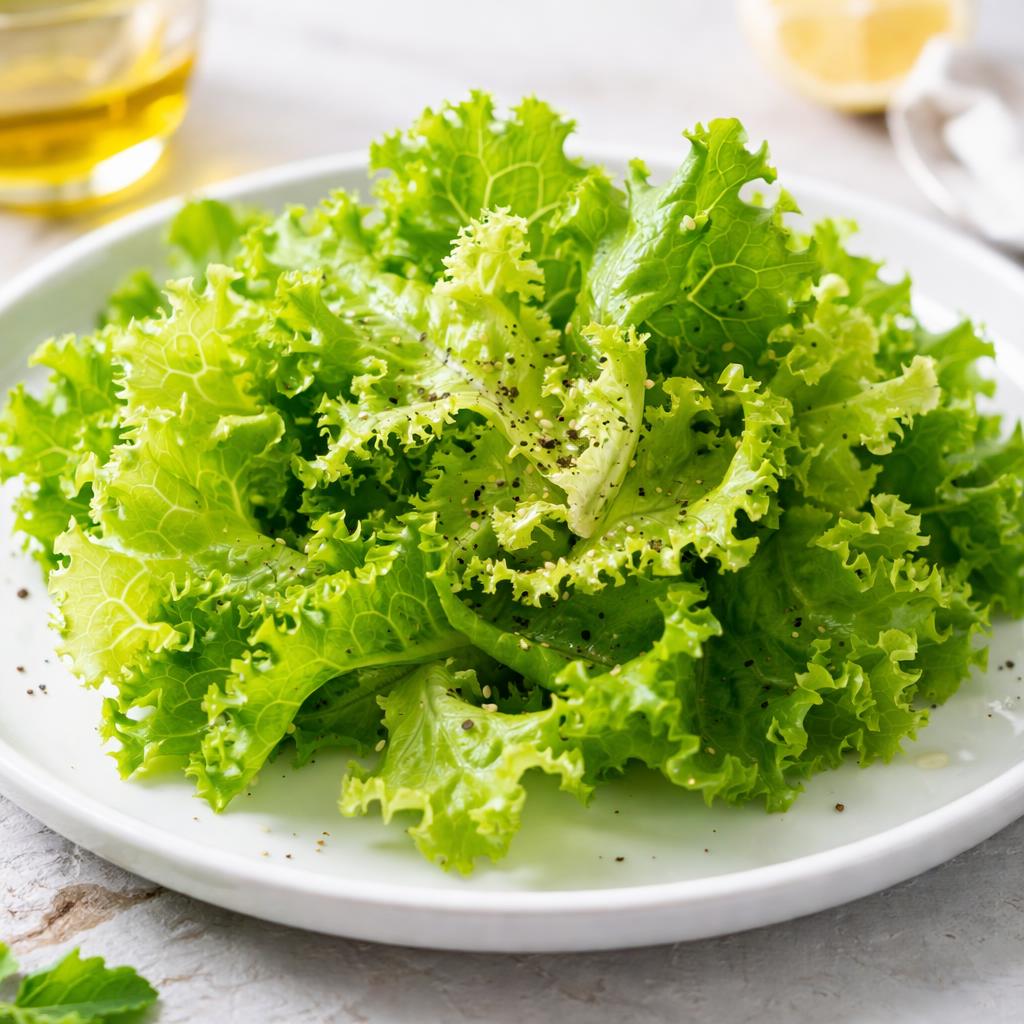
Lettuce
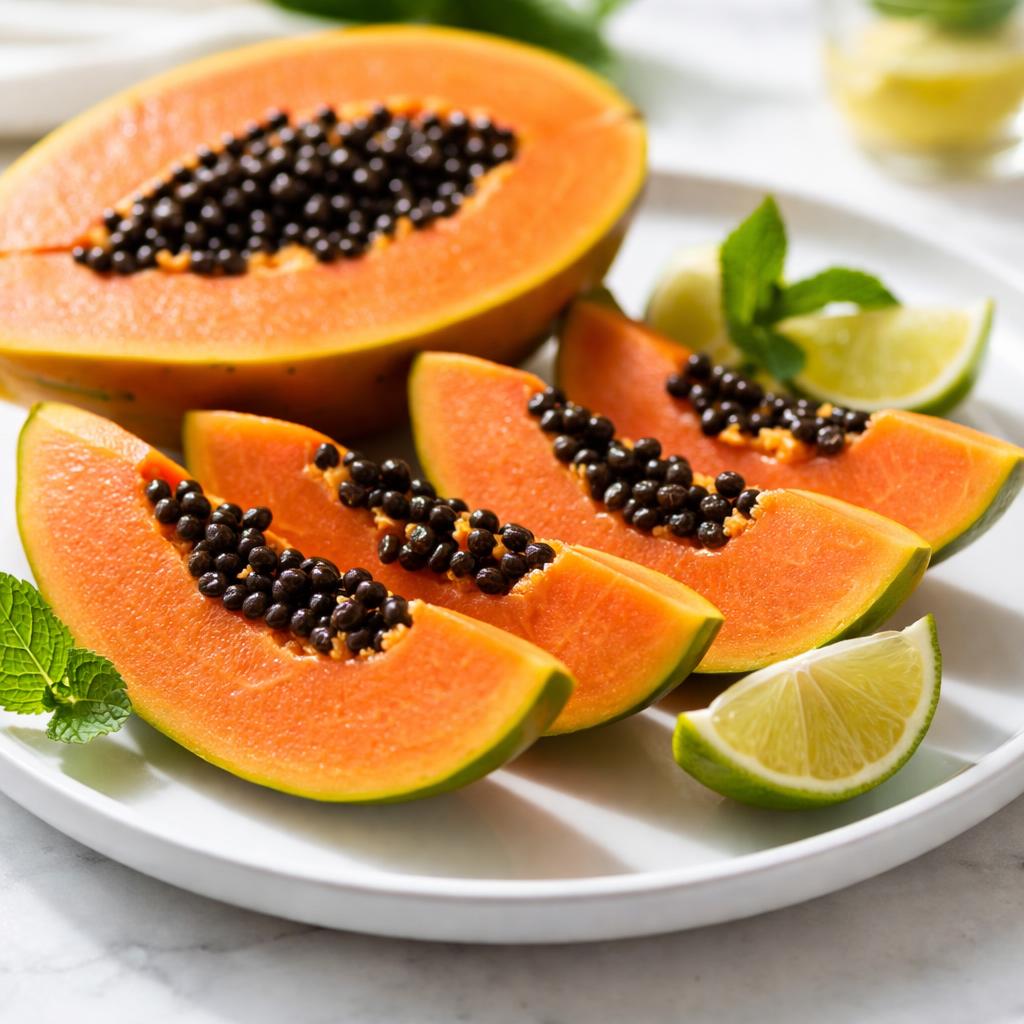
Papaya
🎯 Quick Verdict
Lettuce and papaya are nutritionally quite different. Lettuce is extremely low in calories, making it ideal for weight loss and low-calorie diets, while papaya is higher in calories but offers significantly more fiber and vitamins, particularly vitamin C. Lettuce is a great base for salads, while papaya works well for smoothies and as a nutrient-dense snack.

Smart Nutrition Tracking with SnapCalorie

📊 Nutritional Comparison
Macronutrients
| Nutrient | Food 1 | Food 2 | Winner |
|---|---|---|---|
| Calories | 15 kcal | 60 kcal | ✓ |
| Protein | 1g | 1g | − |
| Carbs | 3g | 15g | ✓ |
| Fat | 0.2g | 0.4g | ✓ |
| Fiber | 1g | 3g | ✓ |
Vitamins & Minerals
| Nutrient | Food 1 | Food 2 | Winner |
|---|---|---|---|
| Vitamin C | 3mg | 60mg | ✓ |
| Vitamin A | 740 IU | 1,500 IU | ✓ |
| Calcium | 18mg | 20mg | ✓ |
| Iron | 0.3mg | 0.4mg | ✓ |
🏆 Category Winners
Protein
Both lettuce and papaya contain 1g of protein per serving.
Fiber
Papaya has three times more fiber per serving compared to lettuce.
Calories
Lettuce contains 75% fewer calories than papaya, making it better for very low-calorie diets.
Vitamins
Papaya is significantly richer in vitamin C, vitamin A, and minerals compared to lettuce.
🥗 Diet Compatibility
Keto
Food 1: Compatible
Food 2: Not Compatible
Food1 (lettuce) is very low in carbs (3g per serving).
Vegan
Food 1: Compatible
Food 2: Compatible
Both foods are plant-based.
Gluten Free
Food 1: Compatible
Food 2: Compatible
Neither contains gluten.
Paleo
Food 1: Compatible
Food 2: Compatible
Both are whole, unprocessed foods allowed on the paleo diet.
Low Carb
Food 1: Highly Compatible
Food 2: Moderately Compatible
Food1 is low-carb (3g), while Food2 contains 15g of carbs per serving.
💪 Health Benefits Comparison
Food 1 Benefits
- Very low-calorie, ideal for weight loss
- Rich in water content for hydration
- Provides small amounts of vitamin A and calcium
Food 2 Benefits
- Rich in vitamin C for immune support and skin health
- Contains fiber to promote digestive health
- Source of antioxidants for overall health and anti-inflammatory benefits
- Moderate natural sugars for quick, energy-boosting snacks
✅ The Bottom Line
Choose lettuce if you're aiming for a low-calorie option or want a hydrating base for salads. Opt for papaya if you're seeking a nutrient-dense fruit rich in vitamin C, vitamin A, and antioxidants while adding natural sweetness to your meals.
Choose Food 1 for: Weight loss, hydrating salads, light meals
Choose Food 2 for: Immune boost, digestive health, nutrient-dense snacks


