Lettuce VS Pad Thai
A detailed nutritional comparison
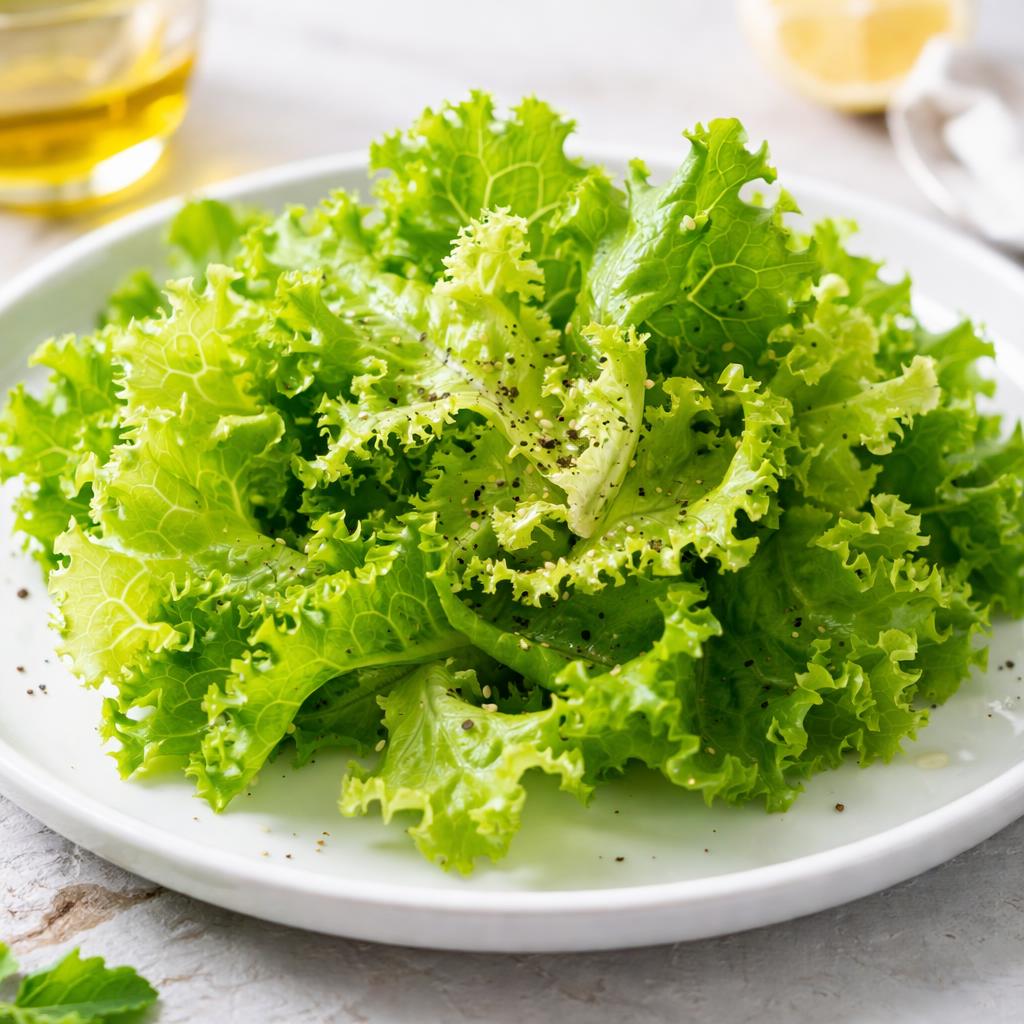
Lettuce
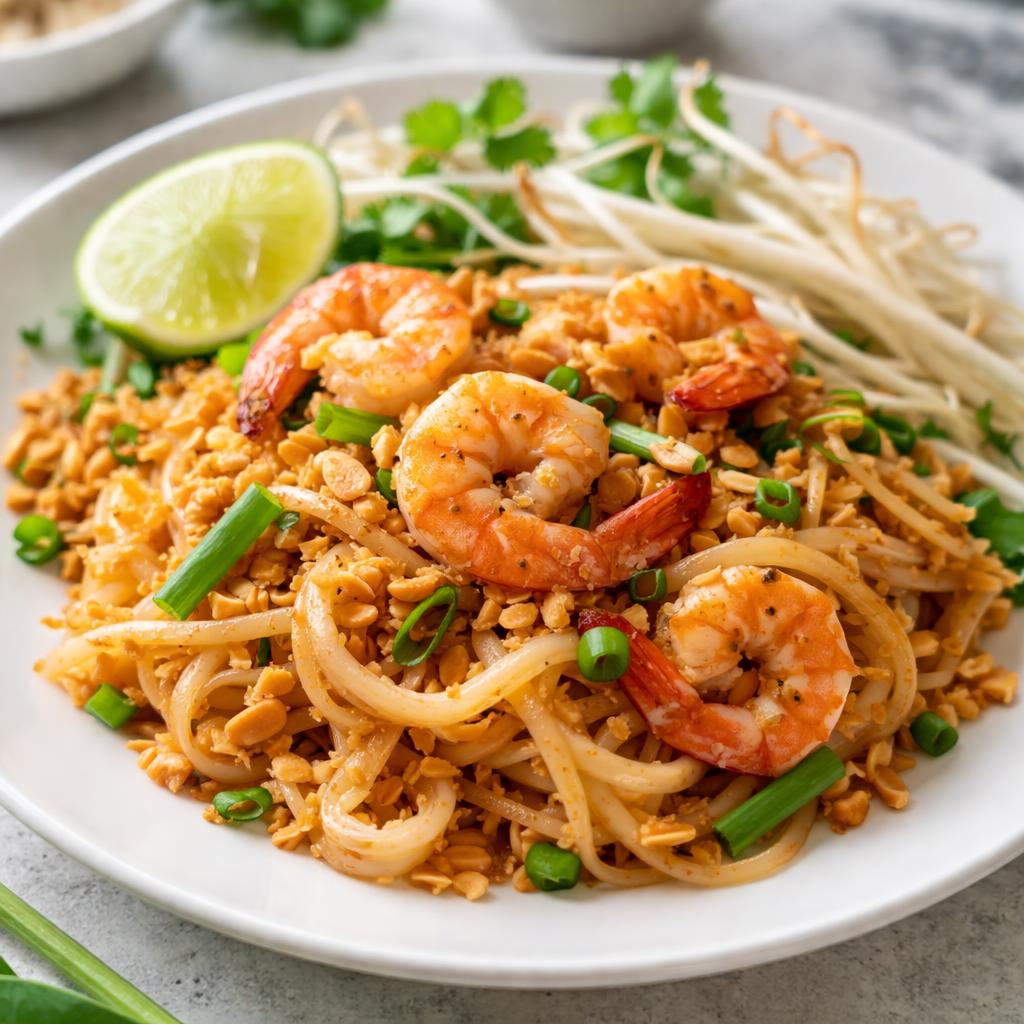
Pad Thai
🎯 Quick Verdict
Lettuce is a low-calorie, nutrient-light vegetable best suited for weight loss and hydrating meals, while pad Thai provides a higher calorie, more nutrient-dense option packed with protein and fiber, ideal for energy and satiety. Lettuce works well as a filler or side dish, while pad Thai serves as a robust main course.

Smart Nutrition Tracking with SnapCalorie

📊 Nutritional Comparison
Macronutrients
| Nutrient | Food 1 | Food 2 | Winner |
|---|---|---|---|
| Calories | 15 | 800 | ✓ |
| Protein | 1g | 20g | ✓ |
| Carbs | 3g | 85g | ✓ |
| Fat | 0.2g | 35g | ✓ |
| Fiber | 1g | 4g | ✓ |
Vitamins & Minerals
| Nutrient | Food 1 | Food 2 | Winner |
|---|---|---|---|
| Vitamin A | 148mcg | 50mcg | ✓ |
| Vitamin C | 6mg | 4mg | ✓ |
| Calcium | 13mg | 100mg | ✓ |
| Iron | 0.2mg | 1.5mg | ✓ |
🏆 Category Winners
Protein
Pad Thai provides 20 times more protein, largely due to egg, peanuts, and tofu.
Fiber
Pad Thai is richer in fiber, with 4g per serving compared to 1g in lettuce.
Calories
Lettuce has tremendously fewer calories, making it ideal for calorie control.
Vitamins
Lettuce excels in vitamin A and C content, vital for skin and immunity.
🥗 Diet Compatibility
Keto
Food 1: Compatible
Food 2: Not Compatible
Lettuce is extremely low in carbs, while pad Thai is carb-heavy.
Vegan
Food 1: Compatible
Food 2: Conditionally Compatible
Pad Thai can be veganized, but traditionally includes eggs.
Gluten Free
Food 1: Compatible
Food 2: Conditionally Compatible
Pad Thai often includes soy sauce unless made gluten-free.
Paleo
Food 1: Compatible
Food 2: Not Compatible
Lettuce fits paleo guidelines, while pad Thai does not due to processed ingredients.
Low Carb
Food 1: Compatible
Food 2: Not Compatible
Lettuce is nearly carb-free, making it ideal for low-carb diets.
💪 Health Benefits Comparison
Food 1 Benefits
- Extremely low in calories, ideal for weight loss and calorie control.
- Good source of hydration due to high water content.
- Contains vitamins A and C to support skin health and immunity.
Food 2 Benefits
- High in protein for muscle repair and satiety.
- Rich in fiber for digestive health and blood sugar regulation.
- Contains calcium and iron for bone health and oxygen transport.
✅ The Bottom Line
Choose lettuce for low-calorie meals, hydration, and vitamin boosts. Opt for pad Thai when you need a filling, nutrient-dense meal with substantial protein and energy. Both foods can complement different dietary needs effectively.
Choose Food 1 for: Weight loss, low-carb diets, side salads, hydrating snacks.
Choose Food 2 for: Active lifestyles, high-protein diets, carb-loading, meal replacement.


