Lettuce VS Grilled Tomato
A detailed nutritional comparison
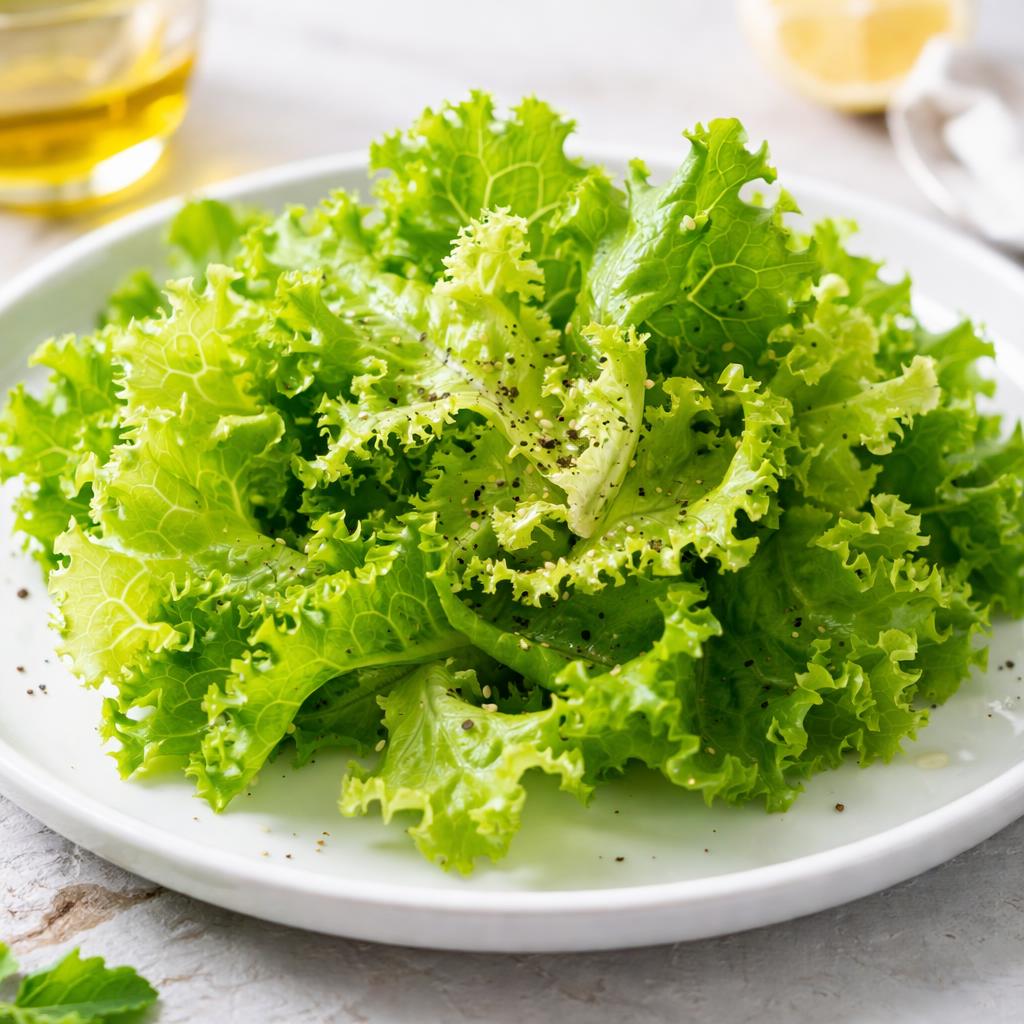
Lettuce
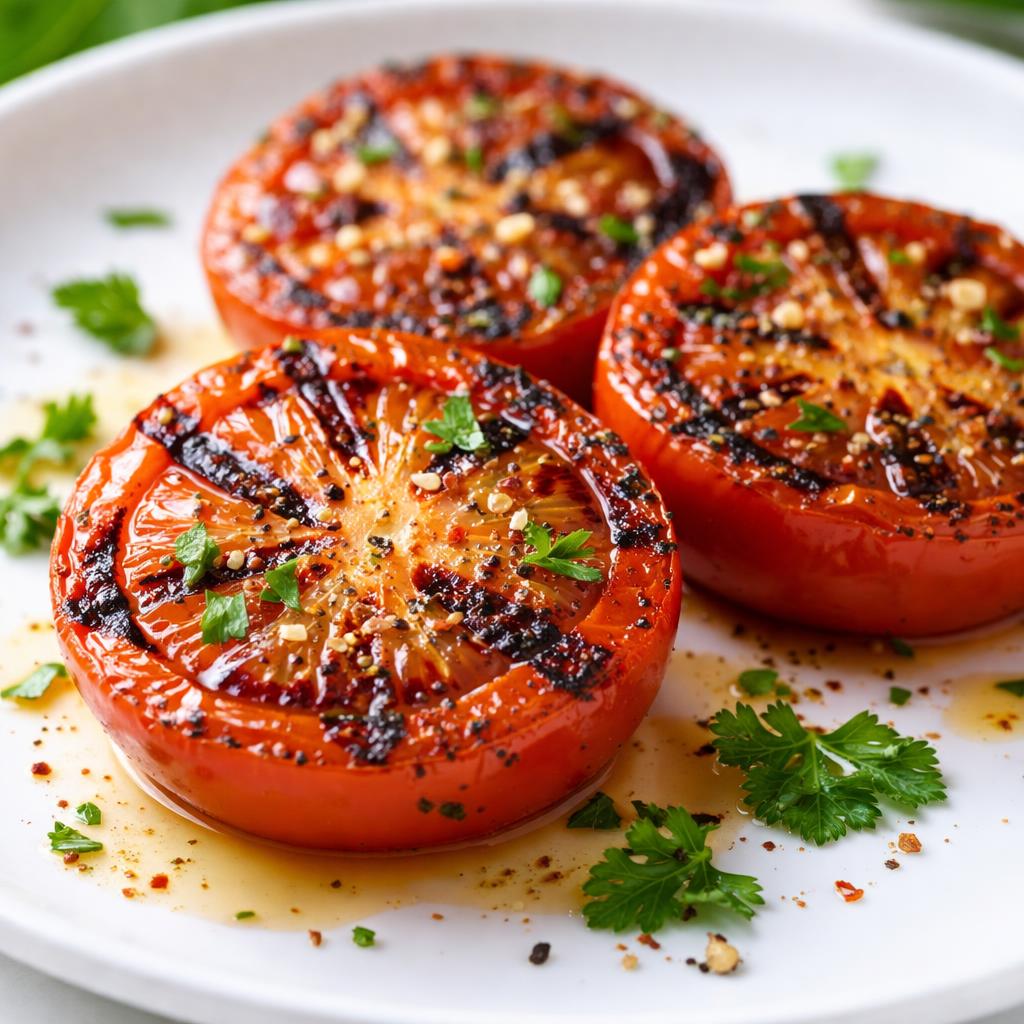
Grilled Tomato
🎯 Quick Verdict
Lettuce is extremely low in calories and primarily provides hydration and micronutrients, making it ideal for low-calorie diets. Grilled tomato offers slightly more calories but wins in protein, fiber, and certain vitamins, providing more robust nutrition for energy and overall health. Lettuce works well for light salads, while grilled tomatoes complement heartier recipes or create a flavorful side dish.

Smart Nutrition Tracking with SnapCalorie

📊 Nutritional Comparison
Macronutrients
| Nutrient | Food 1 | Food 2 | Winner |
|---|---|---|---|
| Calories | 15 calories | 35 calories | ✓ |
| Protein | 0.9g | 1.5g | ✓ |
| Carbs | 2g | 7g | ✓ |
| Fat | 0.2g | 0.5g | ✓ |
| Fiber | 1g | 2g | ✓ |
Vitamins & Minerals
| Nutrient | Food 1 | Food 2 | Winner |
|---|---|---|---|
| Vitamin C | 2mg | 10mg | ✓ |
| Vitamin A | 740 IU | 950 IU | ✓ |
| Potassium | 194mg | 292mg | ✓ |
🏆 Category Winners
Protein
Grilled tomato offers 66% more protein per serving.
Fiber
Grilled tomato doubles the fiber per serving compared to lettuce.
Calories
Lettuce has 57% fewer calories, making it better for low-calorie diets.
Vitamins
Grilled tomato contains higher levels of Vitamin C, Vitamin A, and potassium.
🥗 Diet Compatibility
Keto
Food 1: Compatible
Food 2: Compatible
Both are low in carbs and suitable for keto diets.
Vegan
Food 1: Compatible
Food 2: Compatible
Both are plant-based and suitable for vegan diets.
Gluten Free
Food 1: Compatible
Food 2: Compatible
Neither contains gluten.
Paleo
Food 1: Compatible
Food 2: Compatible
Both align with paleo dietary principles.
Low Carb
Food 1: Compatible
Food 2: Compatible
Both foods are naturally low in carbohydrates.
💪 Health Benefits Comparison
Food 1 Benefits
- Low in calories, perfect for weight management
- Provides hydration due to high water content
- Contains Vitamin A for vision support
Food 2 Benefits
- Rich in fiber, supporting digestion and satiety
- Contains antioxidants like Vitamin C, promoting immunity
- Provides potassium for heart and muscle health
✅ The Bottom Line
Choose lettuce for ultra-low-calorie meals, hydration, or as a salad base. Grilled tomato is better for a slightly more nutrient-dense, flavorful option with more protein, fiber, and vitamins. Both foods pair well together for balanced meals.
Choose Food 1 for: Low-calorie diets, hydration, base for salads
Choose Food 2 for: Fiber-rich meals, immune support, side dishes or toppings in hearty recipes


