Lettuce VS Fruit Salad
A detailed nutritional comparison
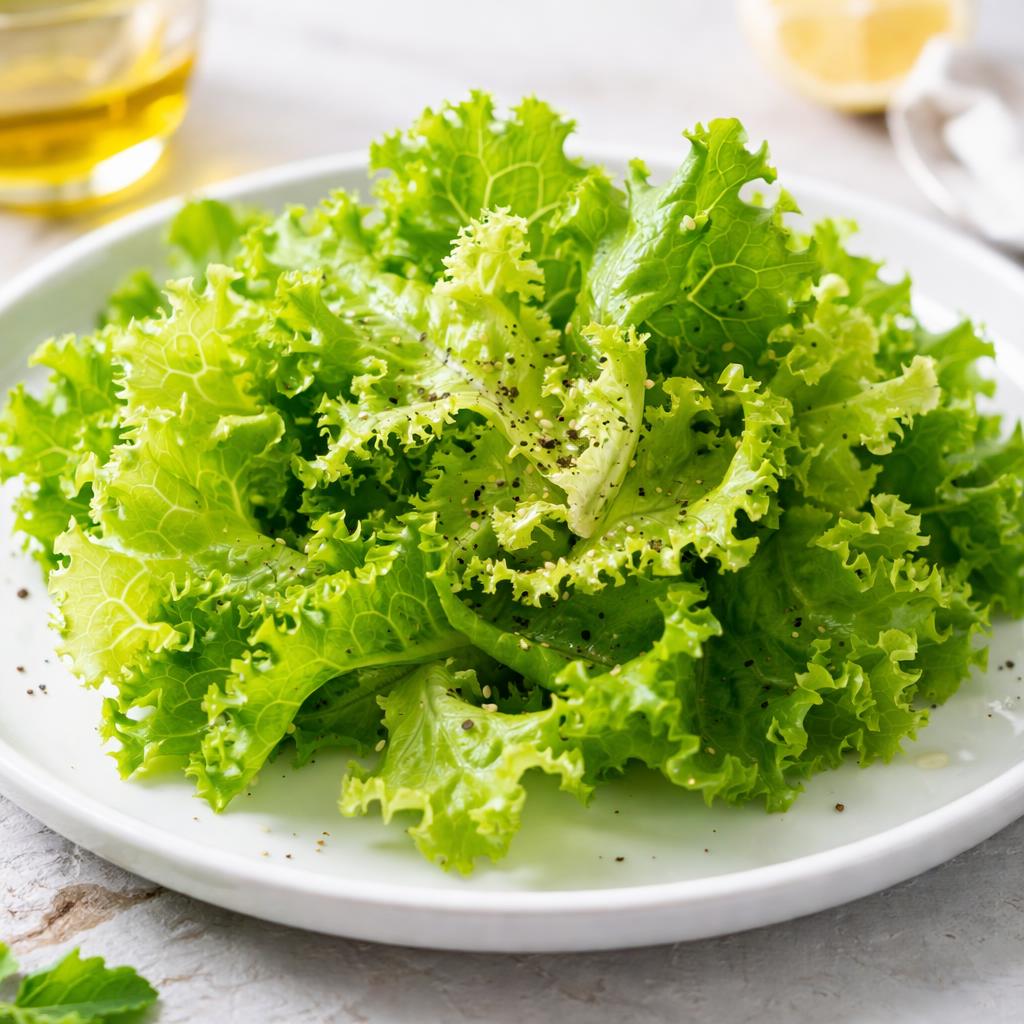
Lettuce
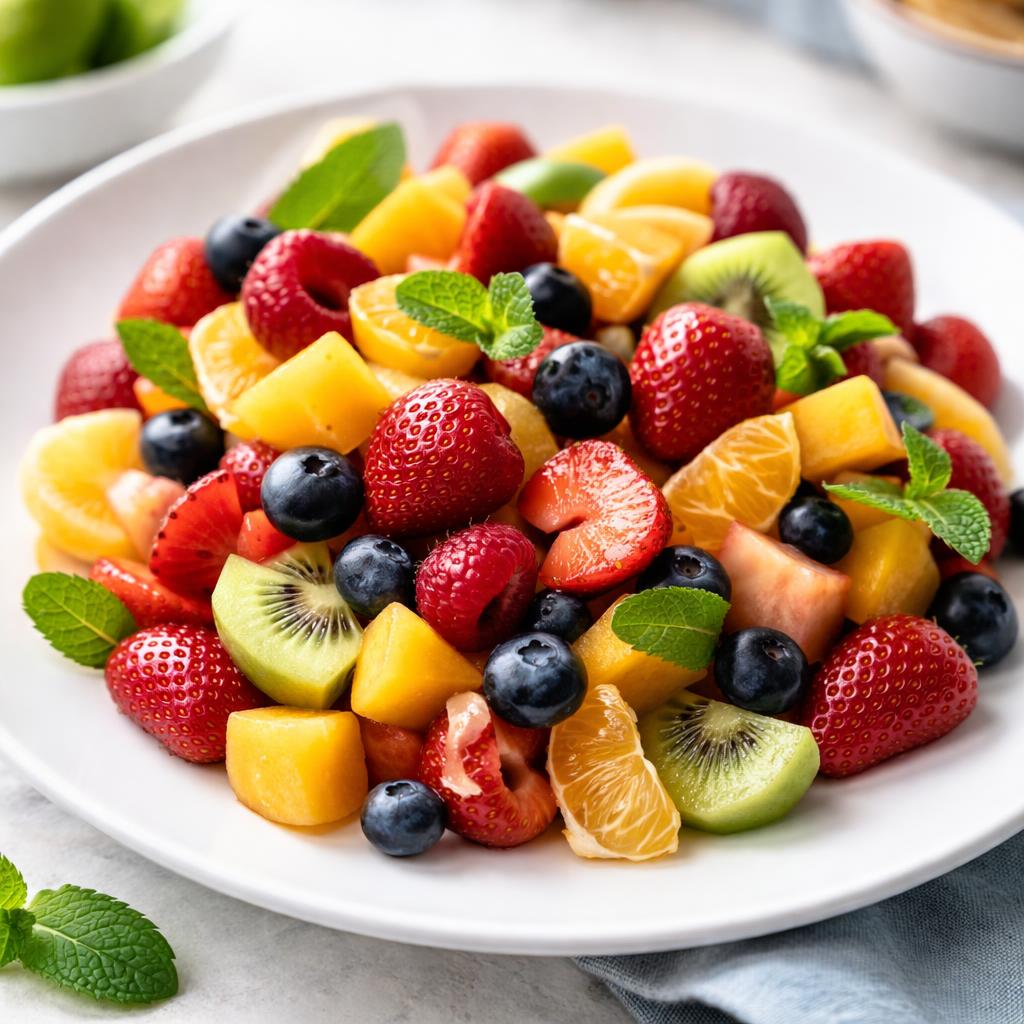
Fruit Salad
🎯 Quick Verdict
Lettuce is extremely low in calories and provides minimal nutrients, making it ideal for weight loss diets or as a low-calorie filler. Fruit salad, on the other hand, is nutrient-dense, offering higher fiber, natural sugars, and vitamins, making it a better choice for energy and overall health support.

Smart Nutrition Tracking with SnapCalorie

📊 Nutritional Comparison
Macronutrients
| Nutrient | Food 1 | Food 2 | Winner |
|---|---|---|---|
| Calories | 15 | 120 | ✓ |
| Protein | 1g | 1g | − |
| Carbs | 3g | 30g | ✓ |
| Fat | 0g | 0.5g | ✓ |
| Fiber | 1g | 4g | ✓ |
Vitamins & Minerals
| Nutrient | Food 1 | Food 2 | Winner |
|---|---|---|---|
| Vitamin C | 6mg | 30mg | ✓ |
| Vitamin A | 3610IU | 500IU | ✓ |
| Potassium | 60mg | 260mg | ✓ |
🏆 Category Winners
Protein
Both foods contain very low protein, with 1g per serving.
Fiber
Fruit salad contains 4g of fiber compared to lettuce's 1g.
Calories
Lettuce is extremely low in calories with only 15 per serving versus 120 in fruit salad.
Vitamins
Fruit salad provides more vitamin C and potassium, though lettuce offers a higher Vitamin A content.
🥗 Diet Compatibility
Keto
Food 1: Compatible
Food 2: Not Compatible
Lettuce is very low-carb, while fruit salad contains 30g carbs.
Vegan
Food 1: Compatible
Food 2: Compatible
Both are fully plant-based.
Gluten Free
Food 1: Compatible
Food 2: Compatible
Neither contains gluten.
Paleo
Food 1: Compatible
Food 2: Compatible
Both adhere to paleo guidelines as whole, natural foods.
Low-Carb
Food 1: Compatible
Food 2: Not Compatible
Lettuce is low-carb (3g per serving) versus fruit salad's 30g.
💪 Health Benefits Comparison
Food 1 Benefits
- Extremely low in calories, ideal for weight loss
- Rich in Vitamin A for eye health
- Hydrating due to high water content
Food 2 Benefits
- High in natural sugars for energy
- Excellent source of fiber for digestive health
- Rich in Vitamin C for immune support
- Contains potassium for heart and muscle health
✅ The Bottom Line
Lettuce is the best choice for low-calorie, low-carb diets or as a filler for meals without adding many nutrients. Fruit salad, on the other hand, is perfect for obtaining a boost of energy, vitamins, and fiber, making it ideal for breakfast or as a nutrient-dense snack.
Choose Food 1 for: Weight loss, salads, low-carb diets
Choose Food 2 for: Energy boosts, fiber intake, nutrient density


