Lettuce VS Frozen Yogurt
A detailed nutritional comparison
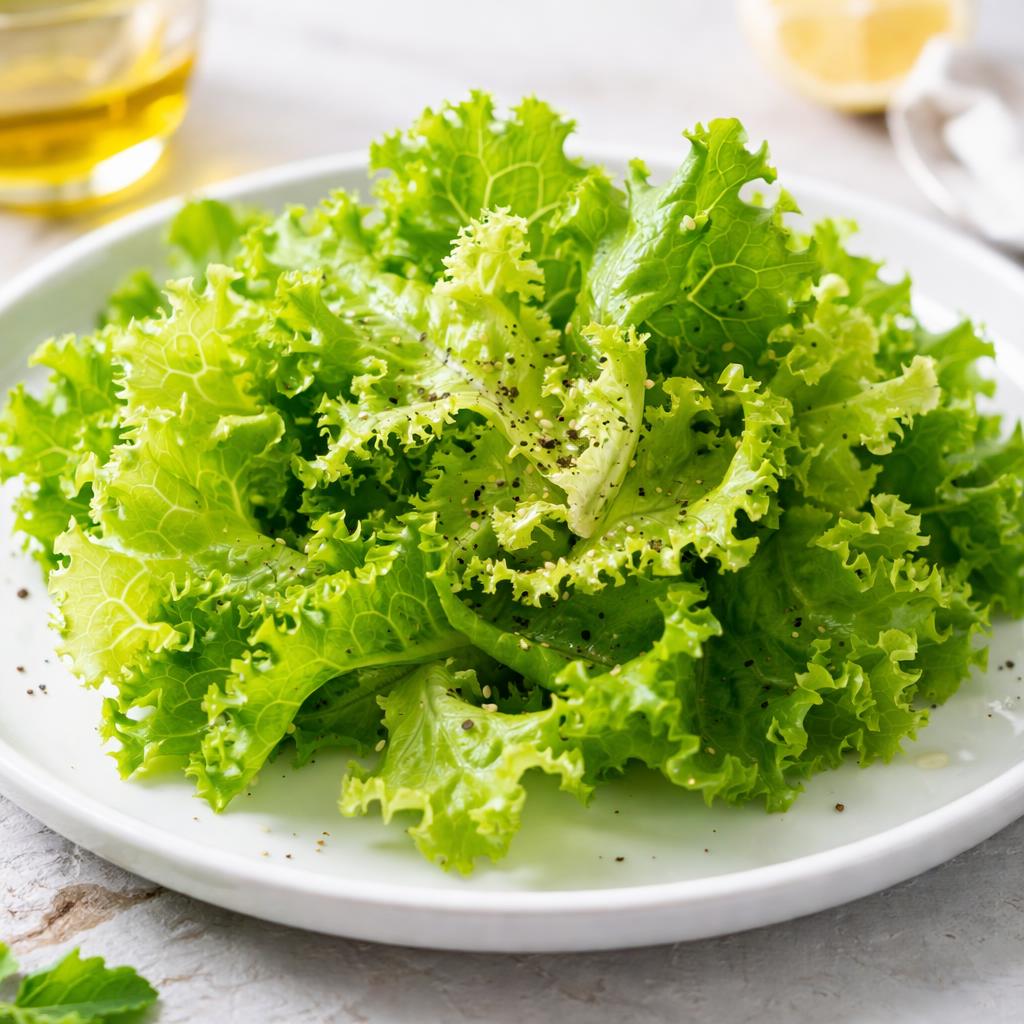
Lettuce
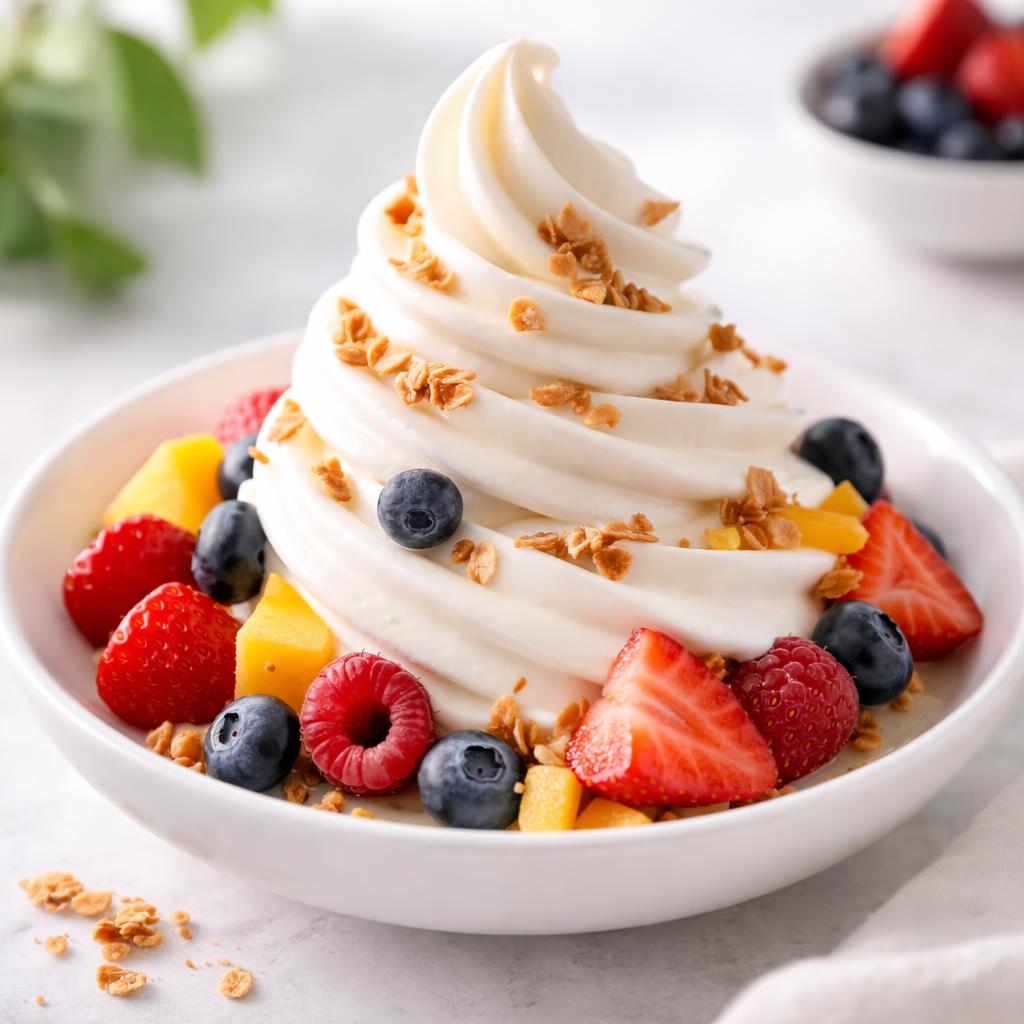
Frozen Yogurt
🎯 Quick Verdict
Lettuce is a low-calorie, fiber-rich food ideal for weight management and digestion, while frozen yogurt is a moderate-calorie option with added protein and calcium, making it better for muscle recovery or as a nutrient-rich snack. Despite frozen yogurt's higher calorie and sugar content, it offers probiotics that support gut health, while lettuce shines as a hydrating and vitamin-rich option with minimal calories.

Smart Nutrition Tracking with SnapCalorie

📊 Nutritional Comparison
Macronutrients
| Nutrient | Food 1 | Food 2 | Winner |
|---|---|---|---|
| Calories | 15 | 120 | ✓ |
| Protein | 1g | 4g | ✓ |
| Carbs | 2g | 22g | ✓ |
| Fat | 0g | 3g | ✓ |
| Fiber | 1g | 0g | ✓ |
Vitamins & Minerals
| Nutrient | Food 1 | Food 2 | Winner |
|---|---|---|---|
| Vitamin A | 133mcg | 12mcg | ✓ |
| Vitamin C | 9.2mg | 0.5mg | ✓ |
| Calcium | 18mg | 110mg | ✓ |
| Iron | 0.3mg | 0.1mg | ✓ |
| Probiotics | None | Present | ✓ |
🏆 Category Winners
Protein
Frozen yogurt provides 4g of protein compared to lettuce's 1g per serving.
Fiber
Lettuce has 1g of fiber, while frozen yogurt contains none.
Calories
Lettuce is extremely low-calorie at just 15 calories per serving.
Vitamins
Lettuce is richer in essential vitamins like Vitamin A and Vitamin C.
🥗 Diet Compatibility
Keto
Food 1: Compatible
Food 2: Not Compatible
Lettuce is low-carb, while frozen yogurt has a high carb content (22g per serving).
Vegan
Food 1: Compatible
Food 2: Not Compatible
Lettuce is plant-based; frozen yogurt contains dairy.
Gluten Free
Food 1: Compatible
Food 2: Compatible
Neither contains gluten.
Paleo
Food 1: Compatible
Food 2: Not Compatible
Lettuce is suitable for paleo diets, while frozen yogurt typically includes added sugars and dairy.
Low-Carb
Food 1: Compatible
Food 2: Not Compatible
Lettuce is extremely low in carbs, unlike frozen yogurt which is high-carb.
💪 Health Benefits Comparison
Food 1 Benefits
- Helps with weight management due to low calories
- Rich in vitamins A and C for immune support and skin health
- Contains some fiber to aid digestion
- Hydrating due to high water content
Food 2 Benefits
- Provides probiotics for gut health
- Rich in calcium to support bone strength
- Moderate protein content for muscle recovery
- Serves as a sweet alternative to high-sugar desserts
✅ The Bottom Line
Choose lettuce for a low-calorie addition to meals, digestive health, or hydration, especially in diets focused on weight loss or those avoiding added sugars. Frozen yogurt can work as a post-exercise snack, sweet treat, or calcium-rich option, but is higher in sugar and calories compared to lettuce.
Choose Food 1 for: Weight management, hydration, nutrient density
Choose Food 2 for: Probiotic intake, sweet treat, muscle recovery


