Lettuce VS Bacon
A detailed nutritional comparison
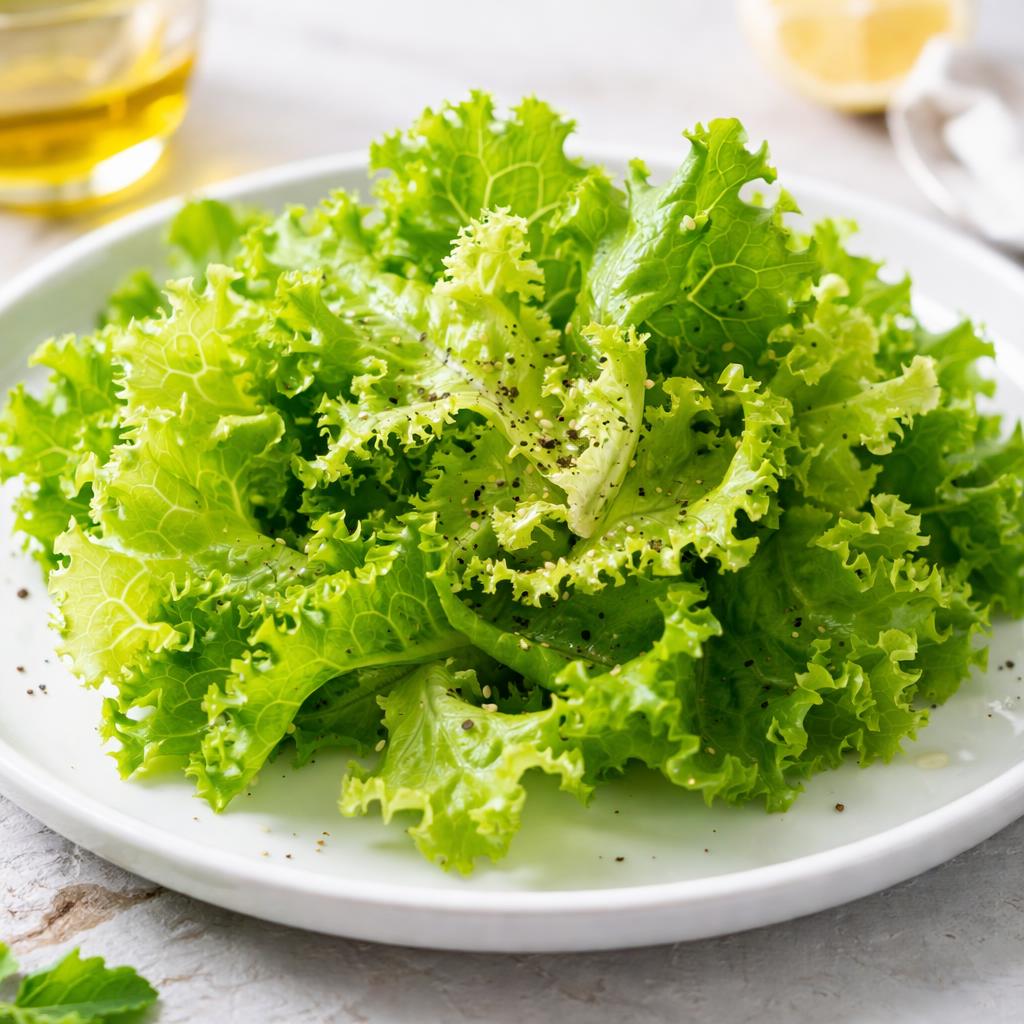
Lettuce
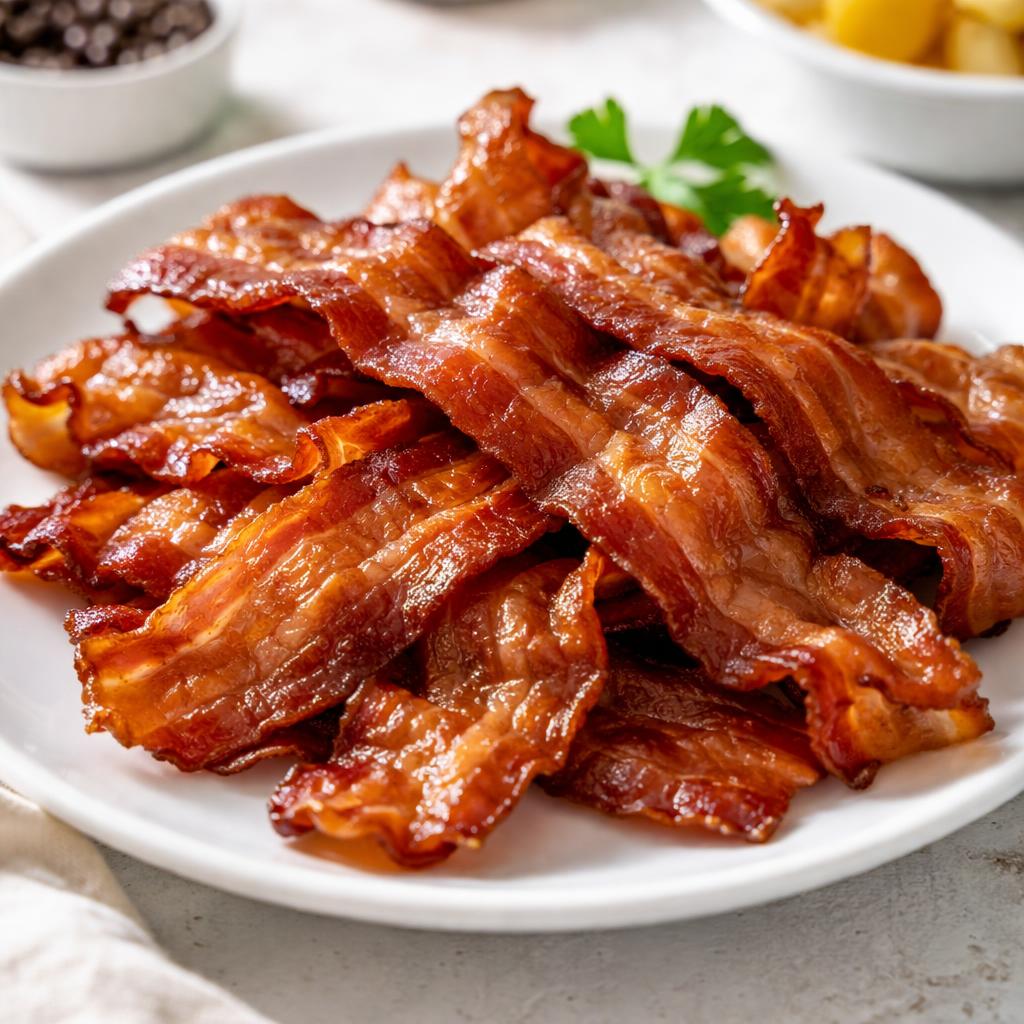
Bacon
🎯 Quick Verdict
Lettuce is extremely low in calories and offers a good dose of fiber, making it ideal for weight-loss and digestive health. Bacon, while higher in calories, provides significantly more protein and fat, making it a better choice for keto diets and energy sustenance. Both foods serve very different dietary purposes and are best used in moderation for balanced meals.

Smart Nutrition Tracking with SnapCalorie

📊 Nutritional Comparison
Macronutrients
| Nutrient | Food 1 | Food 2 | Winner |
|---|---|---|---|
| Calories | 15 per 100g | 541 per 100g | ✓ |
| Protein | 1g per 100g | 37g per 100g | ✓ |
| Carbs | 3g per 100g | 0g per 100g | ✓ |
| Fat | 0.2g per 100g | 42g per 100g | ✓ |
| Fiber | 1g per 100g | 0g per 100g | ✓ |
Vitamins & Minerals
| Nutrient | Food 1 | Food 2 | Winner |
|---|---|---|---|
| Vitamin D | 0mcg | 0.5mcg | ✓ |
| Iron | 0.5mg | 0.6mg | ✓ |
| Vitamin A | 7400 IU | 0 IU | ✓ |
| Vitamin C | 9mg per 100g | 0mg per 100g | ✓ |
🏆 Category Winners
Protein
Bacon provides 37g of protein per 100g, significantly more than lettuce.
Fiber
Lettuce contains 1g of fiber per 100g, while bacon has none.
Calories
Lettuce is incredibly low-calorie at 15 per 100g, compared to bacon's 541 per 100g.
Vitamins
Lettuce is rich in vitamins A and C, whereas bacon offers minimal vitamin content.
🥗 Diet Compatibility
Keto
Food 1: Compatible
Food 2: Compatible
Both foods are low in carbs and fit well in a keto diet.
Vegan
Food 1: Compatible
Food 2: Not Compatible
Lettuce is plant-based, but bacon is animal-derived.
Gluten Free
Food 1: Compatible
Food 2: Compatible
Neither food contains gluten.
Paleo
Food 1: Compatible
Food 2: Compatible
Both are whole foods suitable for a paleo diet.
Low-Carb
Food 1: Compatible
Food 2: Compatible
Both foods are very low in carbohydrates, making them suitable for low-carb diets.
💪 Health Benefits Comparison
Food 1 Benefits
- Low in calories, ideal for weight management
- Provides dietary fiber for digestive health
- Rich in vitamin A for vision and skin health
- Contains vitamin C for immune support
Food 2 Benefits
- Excellent source of protein for muscle maintenance
- Provides healthy fats for energy and brain health
- Contains small amounts of iron for oxygen transport
- Fits well into high-fat, low-carb diets
✅ The Bottom Line
Choose lettuce for weight-loss, fiber, and vitamin C needs, and use bacon when protein and fat are priority, such as in keto or high-energy diets. Combining them in a balanced meal can provide complementary benefits.
Choose Food 1 for: Weight loss, side salads, fiber intake
Choose Food 2 for: Keto diets, protein-rich meals, high-energy needs


