Keto Bread VS Tuna Pasta
A detailed nutritional comparison
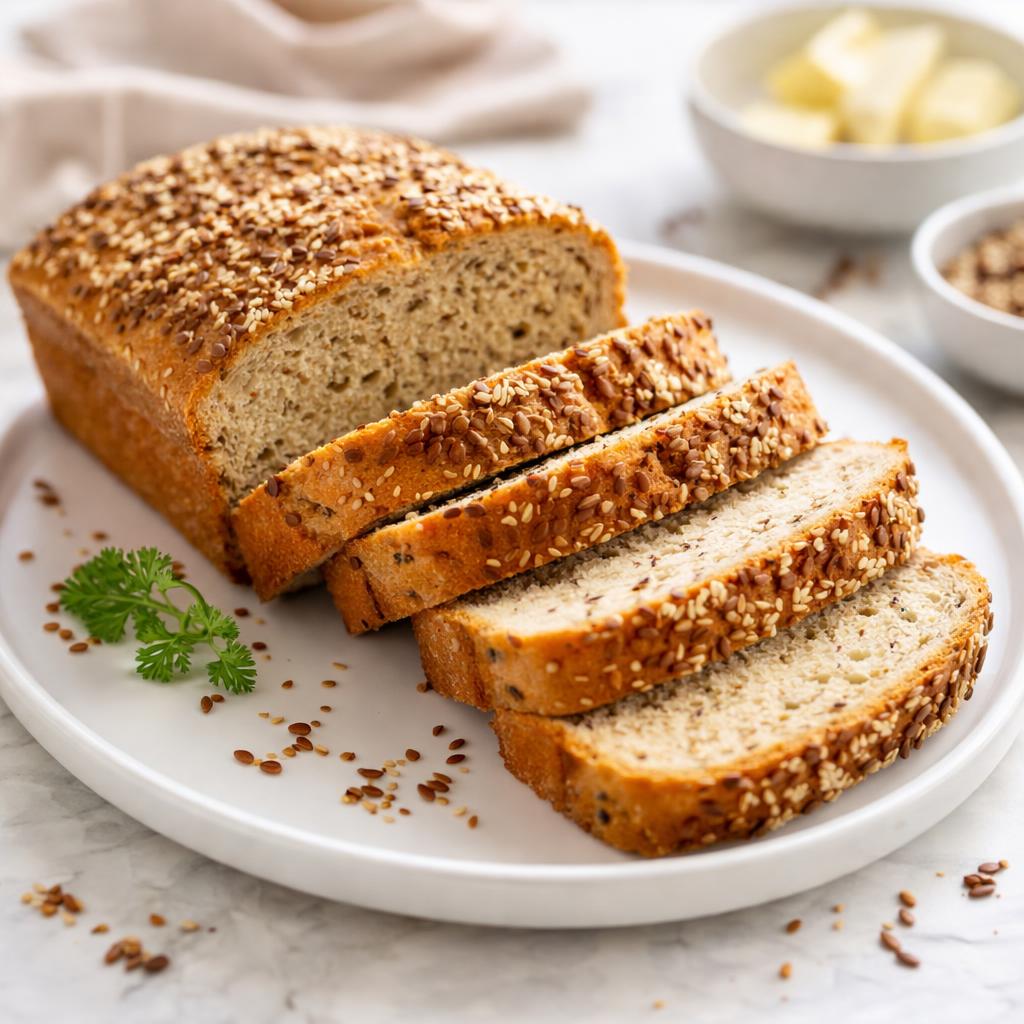
Keto Bread
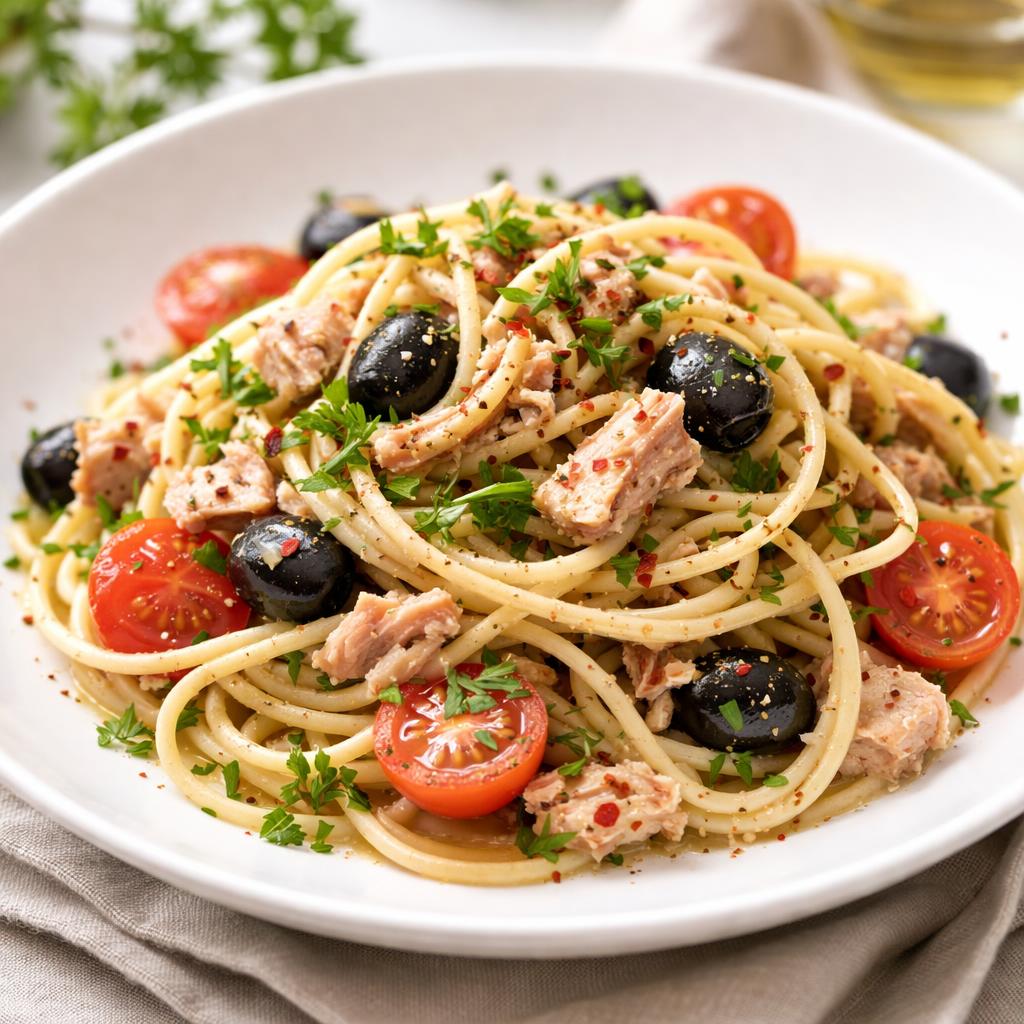
Tuna Pasta
🎯 Quick Verdict
Keto bread is lower in calories and carbs, making it ideal for weight management and low-carb or keto diets. Tuna pasta is higher in protein but also comes with more carbs and calories, making it better suited for post-workout recovery and sustained energy needs. Both foods offer distinct benefits depending on dietary goals.

Smart Nutrition Tracking with SnapCalorie

📊 Nutritional Comparison
Macronutrients
| Nutrient | Food 1 | Food 2 | Winner |
|---|---|---|---|
| Calories | 90 kcal | 250 kcal | ✓ |
| Protein | 6g | 15g | ✓ |
| Carbs | 4g | 35g | ✓ |
| Fat | 3g | 5g | ✓ |
| Fiber | 3g | 1g | ✓ |
Vitamins & Minerals
| Nutrient | Food 1 | Food 2 | Winner |
|---|---|---|---|
| Vitamin D | 0mcg | 1mcg | ✓ |
| Calcium | 15mg | 10mg | ✓ |
| Iron | 0.5mg | 1.2mg | ✓ |
🏆 Category Winners
Protein
Tuna pasta contains more than double the protein of keto bread, ideal for post-workout recovery.
Fiber
Keto bread offers three times the fiber, promoting better digestion.
Calories
Keto bread is significantly lower in calories, suitable for weight management.
Vitamins
Tuna pasta contains slightly higher amounts of vitamin D and iron for nutritional support.
🥗 Diet Compatibility
Keto
Food 1: Compatible
Food 2: Not Compatible
Keto bread is low-carb, while tuna pasta contains 35g of carbs per serving.
Vegan
Food 1: Compatible
Food 2: Not Compatible
Keto bread is plant-based; tuna pasta contains fish.
Gluten Free
Food 1: Compatible
Food 2: Not Compatible
Keto bread is often gluten-free; pasta typically contains gluten.
Paleo
Food 1: Compatible
Food 2: Not Compatible
Keto bread aligns with paleo principles when made with almond or coconut flour.
Low-Carb
Food 1: Compatible
Food 2: Not Compatible
Keto bread has only 4g of carbs compared to tuna pasta's high carb content.
💪 Health Benefits Comparison
Food 1 Benefits
- Low in calories to support weight management
- High in fiber to improve digestion
- Low-carb for keto and diabetic diets
Food 2 Benefits
- Rich in protein for muscle repair and growth
- Moderate healthy fats benefiting heart health
- Higher iron content supporting energy production
✅ The Bottom Line
Keto bread is the better choice for low-carb diets, weight management, and those avoiding gluten. Tuna pasta, with its higher protein content and moderate fats, is great for athletes, post-workout meals, or those seeking sustained energy. Choose based on dietary priorities and goals.
Choose Food 1 for: Weight loss, keto diets, low-carb options
Choose Food 2 for: Post-workout recovery, energy sustenance, protein-rich meals


